Thailand 2 Week Itinerary: The Classic Route
This site contains affiliate links. We may earn a commission at no extra cost to you.
Quick Summary:
Best Time to Visit: November to February offers the most temperate weather nationwide, while May to September favours the Gulf Islands (Koh Samui, Koh Tao).
Primary Route: Bangkok (3 days) → Chiang Mai (4 days) → Andaman Coast or Gulf Islands (7 days).
Entry Requirements: Most visitors use the 60-day visa exemption; ensure the Thailand Digital Arrival Card (TDAC) is completed 24–72 hours before landing.
Digital Readiness: Grab an eSIM like Yesim or Airalo before you land. Download Grab for transport, ViaBus for Bangkok transit, and ensure your banking app supports international QR payments for PromptPay merchants.
Thailand in 2026 remains the premier destination for travelers seeking a seamless blend of ancient heritage and modern convenience. This two-week classic route is designed to help you see the most.
By combining the urban energy of Bangkok, the cultural highlands of Chiang Mai, and the crystalline waters of the southern islands, visitors gain a comprehensive understanding of the Kingdom’s multifaceted identity. Here are the insights you need to navigate Thailand with confidence.

Stay closer to the action in Thailand.
Agoda lists guesthouses to resorts
with verified reviews and instant
booking at competitive rates.
The Digital Shift:
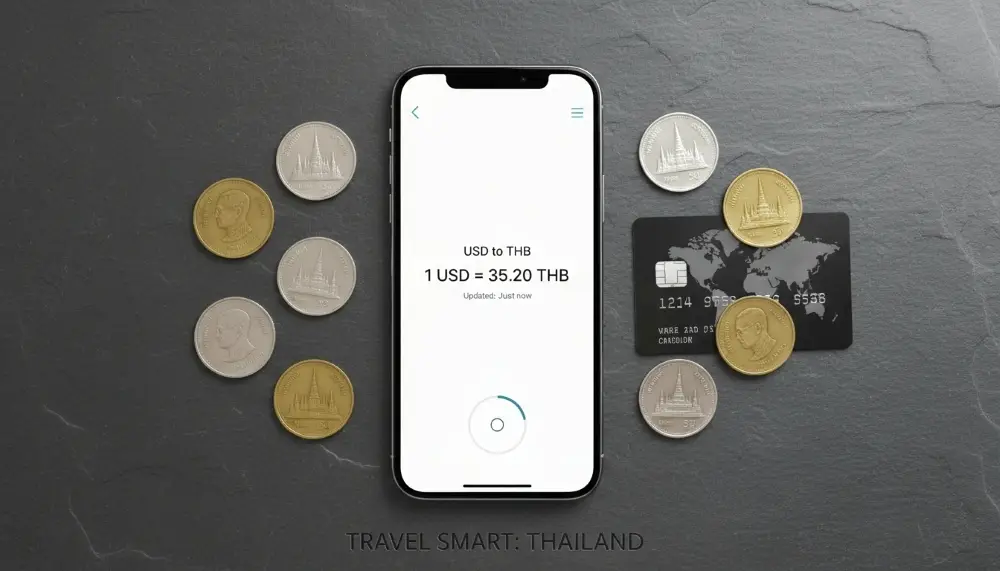
In 2026, Thailand has moved toward a near-cashless ecosystem in urban centres. While physical THB is still required for rural markets and small stalls, most mid-range and higher establishments now use PromptPay QR codes.
Tip: Before departure, verify if your home bank supports “Scan to Pay” via international QR standards. If not, the Grab app (linked to a credit card) serves as a secondary wallet for transport and food delivery, significantly reducing the need for large cash withdrawals. See more about Thailand Travel Costs here.

From temples to island tours, Klook
covers Thailand’s best experiences.
Hotel pickup is often included and
prices beat the pier walk-in rate.
Pro Tips For Stress Free Travel:
Thailand is one of the easiest countries in Asia for first-time travelers, but a few simple tips will make your trip even smoother.
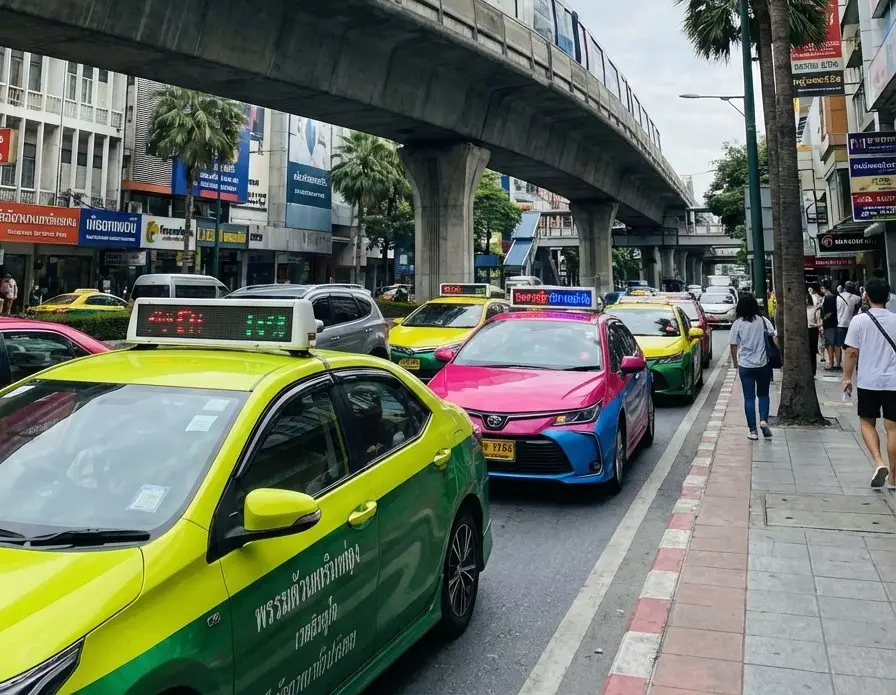
Navigation: Google Maps is highly accurate for BTS/MRT schedules.
Transport: Grab and Bolt are essential. Ensure a local SIM card or eSIM is installed before you need them.
Connectivity: Yesim or Airalo provide seamless eSIM data, while NordVPN ensures secure access to banking apps on public Wi-Fi.
Money: Use Krungsri (yellow) or AEON ATMs for the best exchange rates. A flat 220 THB (~$6.30) fee applies to all foreign card withdrawals, so withdraw the maximum amount (usually 20,000–30,000 THB / ~$571–$857) in a single transaction.
Booking: Agoda consistently has better inventory and pricing for Southeast Asia than Western platforms, particularly for boutique properties and last-minute deals.

Maps, Grab, translation apps all need
data in Thailand. Yesim’s eSIM installs
in a minute and gives you reliable
5G from the moment you arrive.
The Perfect Thailand 2 Weeks:
For most first-time travelers, the ideal way to spend two weeks in Thailand is to split time between three regions:
- Bangkok: Thailand’s energetic capital
- Northern Thailand: Culture and temples in Chiang Mai
- Southern Thailand: Tropical beaches and islands
A simple structure looks like this:
Days 1–3: Bangkok
Days 4–7: Chiang Mai
Days 8–14: Southern Thailand islands
This route gives you a little bit of everything Thailand is famous for while keeping travel distances manageable. Fly between each region rather than overland if time is tight. Bangkok to Chiang Mai by air takes 1 hour and costs as little as 1,200 THB (~$34) booked in advance.
Days 1–3: Exploring Bangkok
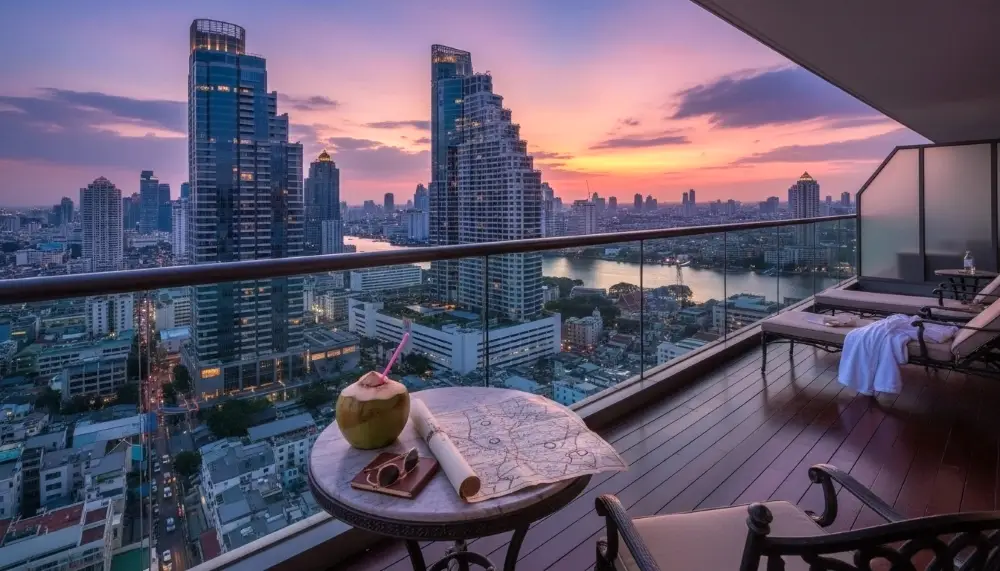
Bangkok serves as the nation’s logistical hub and cultural heartbeat. Focus on the Riverside and Old City (Rattanakosin) districts for historical sites, and use Sukhumvit for modern dining and retail. Three days allow for a gentle transition into the local climate and time zone.
Day 1: Temples and the River
Start early at Wat Pho (500 THB / ~$14 entrance) to see the Reclining Buddha before the midday humidity peaks. Cross the Chao Phraya River via a 5 THB (~$0.15) ferry to Wat Arun, where porcelain-encrusted spires catch the morning light. Afternoon: take the river taxi down to Chinatown (Yaowarat) and eat your way through the street market. An entire evening of food here costs 200–400 THB (~$5.70–$11.40).
Day 2: Markets and Rooftops
Take the BTS to Chatuchak Weekend Market (free entry, open Saturday and Sunday mornings) if your timing allows. Otherwise, Or Tor Kor Fresh Market near Mo Chit BTS is open daily and is one of Bangkok’s finest food markets. Evenings on Sukhumvit: the area around Thong Lo and Ekkamai has shifted from pure nightlife to a genuinely excellent dining and bar neighbourhood. A Grab from the Old City to Thong Lo costs around 120–180 THB (~$3.40–$5.10).
Day 3: Day Trip to Ayutthaya
On your third day, consider a day trip to Ayutthaya Historical Park, the former capital of Siam, just 80 kilometres north of Bangkok. A train from Hua Lamphong station costs 15–30 THB (~$0.45–$0.85). The park entrance fee is 50 THB (~$1.40) per temple, and you can rent a bicycle on arrival for around 60 THB (~$1.70) to ride between the ruins at your own pace. Book the tour through Klook if you prefer a guided option with transport included.
Days 4–7: Discover Chiang Mai
Chiang Mai is the cultural capital of the north, characterised by the walled Old City and the Doi Suthep mountain range. It offers a cooler climate and a slower pace of life, making it the ideal base for ethical nature tourism and temple photography.
Fly from Don Mueang (DMK) to Chiang Mai (CNX) to save twelve hours of overland travel. Flights cost 1,200–2,500 THB (~$34–$71) booked in advance. On arrival, use the Bolt app for the most competitive fares into the city.
Day 4: The Old City
Walk the moat-lined square of the Old City and visit Wat Chedi Luang at sunset to hear the evening chants. The Saturday and Sunday Walking Streets (Wualai Road and Thanon Wichayanon respectively) are among the best night markets in the country for local crafts, food, and atmosphere. Budget 300–600 THB (~$8.60–$17) for a full evening of eating and browsing.
Day 5: Doi Suthep and the Monk’s Trail
Hire a red Songthaew (shared truck taxi) to Doi Suthep temple for 50 THB (~$1.40) per person each way. The temple sits at 1,080 metres and offers a view over the entire city. On the way back, stop at the Monk’s Trail, a jungle path that winds up to Wat Pha Lat, a temple partially reclaimed by the forest. It costs nothing to enter and sees a fraction of Doi Suthep’s crowds.
Days 6–7: Ethical Elephant Sanctuary and the North
Avoid any sanctuary offering elephant rides or performances. Genuine ethical operators like Elephant Nature Park prioritise observation and care. A full-day visit costs around 2,500–3,500 THB (~$71–$100) and includes transport from the city. Book in advance through Get Your Guide or Klook to lock in a slot, as ethical sanctuaries cap daily visitor numbers.
On Day 7, consider the Samoeng Loop if you hold a valid International Driving Permit (IDP) with a motorcycle endorsement. This mountain circuit passes cabbage farms, strawberry fields, and hilltribe villages before looping back to Chiang Mai. Scooter hire costs 250–350 THB (~$7–$10) per day.

Chiang Mai Accommodations
| Feature | The Budget Hero | The Mid-Range Choice | The Pro/Luxury Option |
|---|---|---|---|
| Provider | Bed Phrasingh | Raya Heritage | 137 Pillars House |
| Typical Cost | 1,800–2,500 THB (~$51–$71) | 12,000–18,000 THB (~$343–$514) | 25,000+ THB (~$714+) |
| Primary Draw | Clean, minimalist, Old City | Riverside, sustainable chic | Heritage teak, butler service |
Days 8–14: The Southern Islands
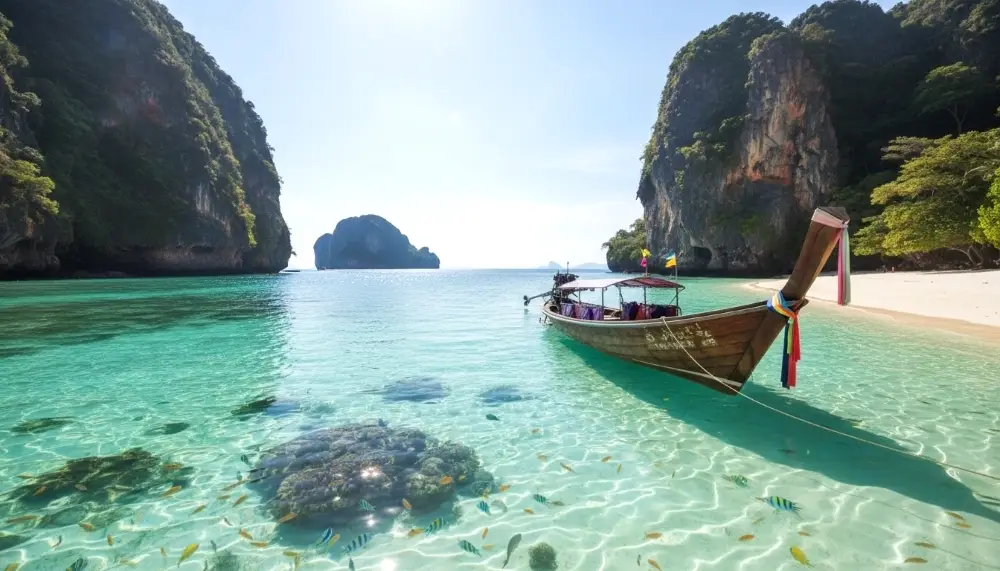
No Thailand itinerary is complete without the country’s famous beaches. The final week is the perfect time to slow down and enjoy the tropical side of Thailand. The south offers dozens of island choices, each with its own atmosphere and best season.
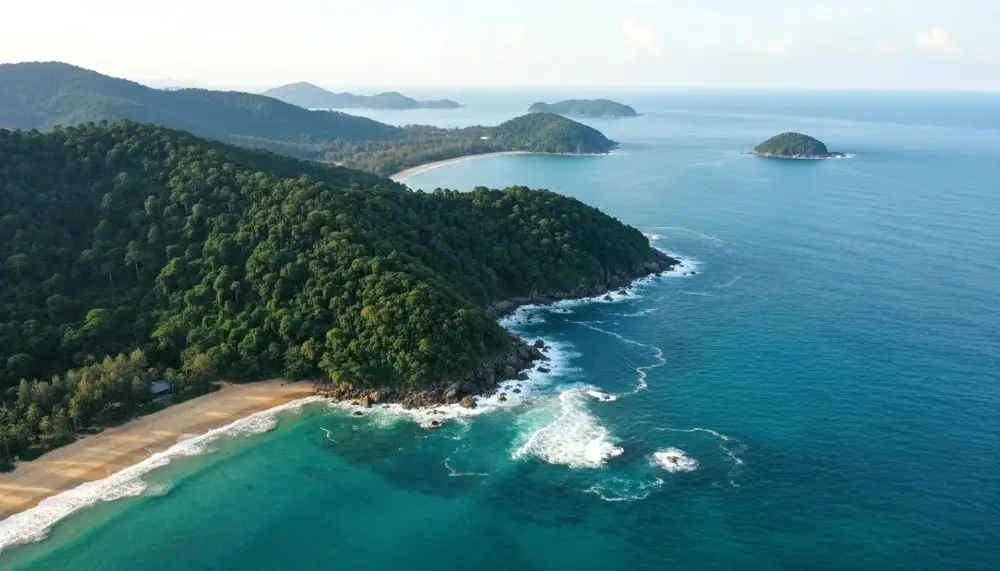
The Andaman Coast (Nov–Apr)
From November to April, the Andaman Sea (Phuket, Krabi, Koh Phi Phi) is the primary choice. Fly from Chiang Mai to Phuket or Krabi directly, flights cost 1,500–3,000 THB (~$43–$86).
The limestone cliffs of Railay Beach in Krabi are iconic, but they attract crowds. For a superior alternative, take a speedboat to Koh Yao Yai. This island remains largely undeveloped, offering empty beaches and a glimpse into traditional fishing village life at a fraction of Phi Phi’s prices.
Use Klook to book island-hopping tours in advance to secure better rates and vetted operators. A four-island tour from Krabi typically costs 1,200–1,800 THB (~$34–$51) per person.
When dining in the south, look for “++” on menus. This indicates that a 10% service charge and 7% VAT are not included in the listed price.
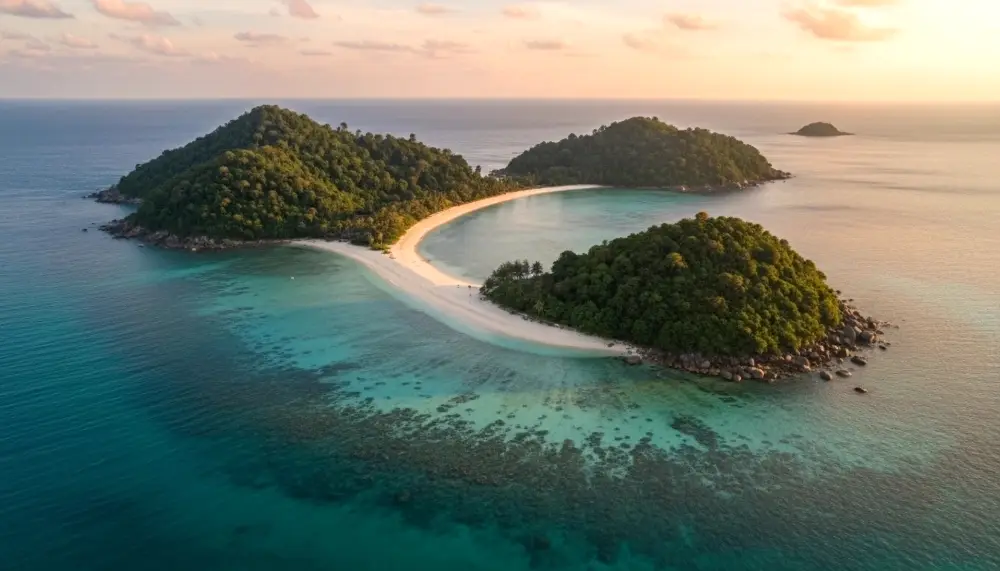
The Gulf Islands Alternative (May–Sep)
If you are visiting between May and September, skip the Andaman coast entirely and head to the Gulf of Thailand instead. Koh Samui is the most accessible with its own international airport. Koh Tao, two hours by ferry from the Samui ferry hub at Chumphon or Don Sak, is the best-value diving destination in Southeast Asia, with open-water PADI courses available from 9,000 THB (~$257).
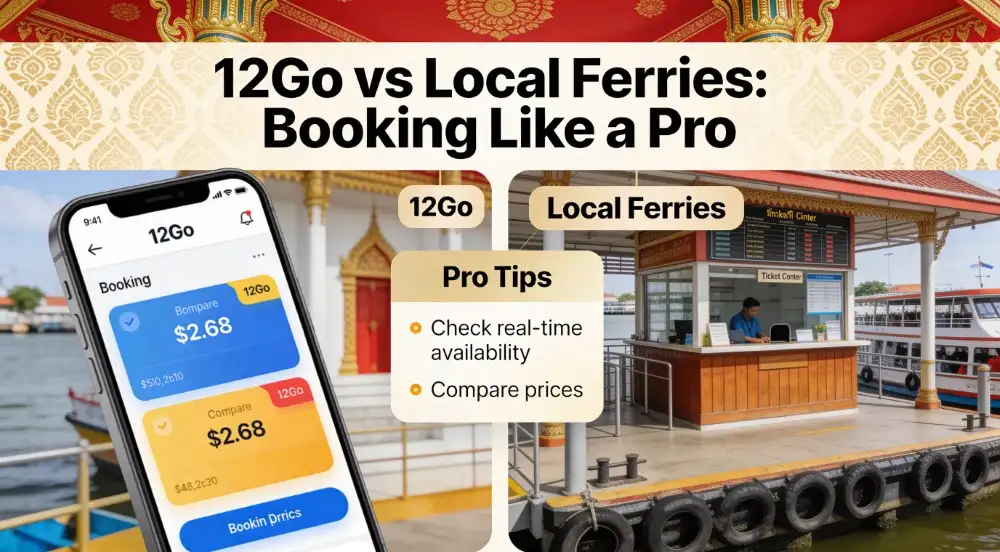
Koh Phangan sits between the two and is far more than the Full Moon Party it is famous for. The north and west coasts (Haad Salad, Haad Yao) have calm water and excellent snorkelling, and outside of Full Moon week the island is genuinely peaceful. Ferry connections between these three islands are frequent and inexpensive, costing 150–350 THB (~$4.30–$10) per crossing. Book through 12GO to lock in seats during peak periods.
Region Comparison:
| Region | Focus | Best For | Transport Mode |
|---|---|---|---|
| Central (Bangkok) | Gastronomy and Logistics | Night Markets and Temples | BTS, MRT, Canal Boat |
| North (Chiang Mai) | Culture and Nature | Ethical Elephant Sanctuaries | Domestic Flight or Sleeper Train |
| South: Andaman (Nov–Apr) | Marine Adventure | Diving and Limestone Karsts | Longtail Boat and Speedboat |
| South: Gulf (May–Sep) | Island Life and Diving | Budget Diving, Full Moon Party | Ferry and Catamaran |
Packing for the Classic Route:

This itinerary moves between three very different climates and dress codes. Bangkok and the islands call for light, breathable fabrics and minimal luggage. Chiang Mai at altitude in the cool season (November to February) can dip to 10–15°C at night, so one mid-layer is genuinely worth packing.
Essentials for this route: A lightweight sarong or scarf covers both temple visits (required) and beach use. Slip-on sandals that come off easily save time at the dozen temples you will enter. SPF 50 sunscreen is available everywhere but noticeably cheaper at home. A small daypack and a 20,000 mAh power bank round out the practical necessities.
What not to bring: Heavy jeans, bulky trainers, or anything you’d be upset to lose or damage. Markets and night bazaars in Chiang Mai sell quality lightweight clothing cheaply (200–500 THB / ~$5.70–$14 per item), so overpacking is genuinely unnecessary. Pack light and buy what you need on arrival.
Understanding Thai Culture
One of the things that makes Thailand so special is the warmth of its people. Thai culture values kindness, respect, and a relaxed attitude toward life.
You will often hear the phrase “mai pen rai,” which loosely translates to “no worries.” It reflects the easygoing mindset that visitors quickly come to appreciate.
A few cultural notes to remember:
- Always remove shoes before entering someone’s home or certain businesses
- Avoid touching people on the head
- Show respect when discussing the Thai royal family
- Smile often. It is an important part of Thai culture
You can learn more about Thai culture and etiquette here.

Is Thailand Easy for First-Timers?
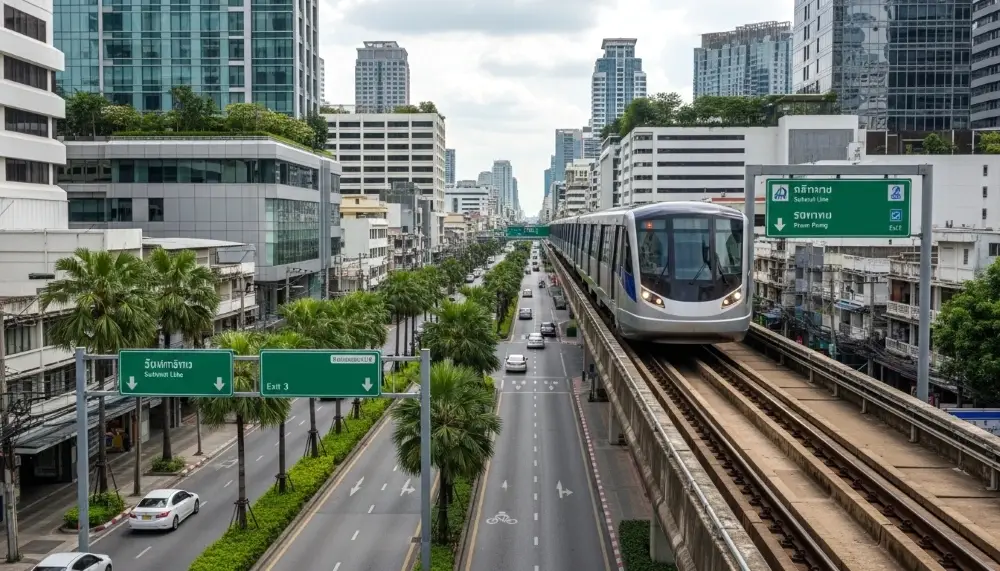
Many people feel nervous before their first big international trip, especially to a country that feels unfamiliar. The good news is that Thailand is widely considered one of the best destinations in the world for beginner travelers.
Reasons why Thailand is so welcoming include:
- Excellent tourism infrastructure
- Friendly and helpful locals
- Affordable transportation
- Plenty of English spoken in tourist areas
- Well-developed travel routes
Millions of visitors travel through Thailand every year and leave wishing they had stayed longer.
Is 2 weeks enough time for a trip to Thailand?
Yes, 14 days is the ideal duration for a first-time visitor. A classic 2-week route typically splits time between Bangkok (3 days), the cultural highlands of Chiang Mai (4 days), and the southern islands (7 days). This pace allows you to experience the Kingdom’s urban energy, northern traditions, and tropical relaxation without feeling rushed.
Do I need to show proof of funds to enter Thailand in 2026?
Yes, under the 2026 entry guidelines, travelers using the 60-day visa exemption may be asked to provide proof of 20,000 THB (~$571) in funds. This can be shown via physical cash or a digital bank statement. Additionally, ensure you have completed the mandatory Thailand Digital Arrival Card (TDAC) QR code within 24–72 hours of your arrival.
What is the best way to travel between Bangkok, Chiang Mai, and the islands?
For the 2-week classic route, domestic flights are the most efficient option. Budget airlines run Bangkok to Chiang Mai for 1,200–2,500 THB (~$34–$71) booked in advance. If you prefer a scenic experience, the overnight sleeper train from Bangkok to Chiang Mai costs around 1,000 THB (~$29) and saves one night’s accommodation. Book all long-distance transport via 12GO at least two weeks in advance.
Can I use PromptPay as a tourist in 2026?
Yes. Download the TAGTHAi app and link a PAY&TOUR prepaid card, available at K-Bank booths at Suvarnabhumi Airport. This allows you to scan QR codes at everything from street food stalls to luxury boutiques, significantly reducing the need to carry large amounts of cash.
What is the best time of year for a 2-week Thailand itinerary?
For the best weather nationwide, November to February is the peak cool and dry season. If your trip is between May and September, prioritise the Gulf Islands (Koh Samui, Koh Phangan, Koh Tao) as they remain sunny while the Andaman Coast (Phuket, Krabi) experiences the monsoon season.
Do I need a physical SIM card or eSIM?
eSIMs via providers like Yesim or Airalo are the most convenient option as they activate instantly on landing. Physical SIMs from AIS or DTAC booths at the airport are often cheaper for stays of two weeks or more.
Is the water safe to drink?
Tap water is not drinkable. Bottled water is cheap and available at every 7-Eleven (10–15 THB / ~$0.30–$0.45 per 1.5 litre bottle). Many hotels provide glass-bottled water for free daily.
How do I handle the 220 THB ATM fee?
Withdraw the maximum amount allowed, usually 20,000 to 30,000 THB (~$571–$857), in a single transaction to minimise the impact of the flat 220 THB (~$6.30) fee. AEON bank ATMs add no conversion fee on top of the flat charge and are found in most major shopping centres.
How much money do I need for 2 weeks in Thailand?
For a mid-range trip covering Bangkok, Chiang Mai, and one island, budget roughly 5,800–10,900 THB ($166–$311) per day for accommodation, food, transport, and activities. Over 14 days that is approximately 81,000–153,000 THB ($2,300–$4,370) excluding international flights. Budget travelers can do it for significantly less at 1,700–2,900 THB ($49–$83) per day.