Thai Festivals Guide
This site contains affiliate links. We may earn a commission at no extra cost to you.
Thailand is a country that celebrates life loudly, colourfully, and joyfully. For first-time visitors, stumbling across a local festival can easily become one of the most magical parts of the trip. Streets fill with music, temples glow with candlelight, families gather to celebrate traditions centuries old, and travellers are warmly welcomed to join in.
If you’re planning your first visit, understanding Thailand’s festival calendar can help you experience the country at its most vibrant. From water fights in April to lanterns floating across night skies in November, Thai festivals are unforgettable cultural experiences that no amount of beach lounging or temple sightseeing can fully replace.
Quick Guide to Thai Festivals:
Thailand hosts dozens of festivals throughout the year, but a few stand out as truly unmissable experiences for travellers of every type.
The most famous festivals include:
- Songkran (Thai New Year) – the world-famous water festival held every April
- Loy Krathong – floating candlelit offerings on rivers and lakes each November
- Yi Peng Lantern Festival – thousands of glowing lanterns released into the Chiang Mai sky
- Vegetarian Festival – a unique Taoist spiritual celebration centred in Phuket each October
- Full Moon Party – a modern monthly beach celebration beloved by travellers on Koh Phangan
- Makha Bucha – a serene Buddhist candle procession held in February or March
- Phi Ta Khon (Ghost Festival) – a wildly colourful masked parade in Dan Sai, Loei province
Most visitors plan their trips around one or two of these events, but smaller local celebrations happen year-round across every corner of the country. If your dates are flexible, even a modest regional temple fair can become an unexpected highlight.

From boutique guesthouses to five-star
resorts, Agoda has Thailand covered.
Strong Asia inventory means deeper
discounts than you’d find elsewhere.
Why Festivals Are Such a Big Part of Thai Culture:
Festivals in Thailand are deeply connected to religion, community, and seasonal cycles. Many are rooted in Buddhist traditions, agricultural rhythms, or ancient local beliefs that predate the written record. Understanding why these events exist transforms the experience from something you observe into something you genuinely feel.
Celebrations often take place around temples and involve:
- Merit-making and offerings to monks at dawn
- Traditional music, classical dance, and regional folk performances
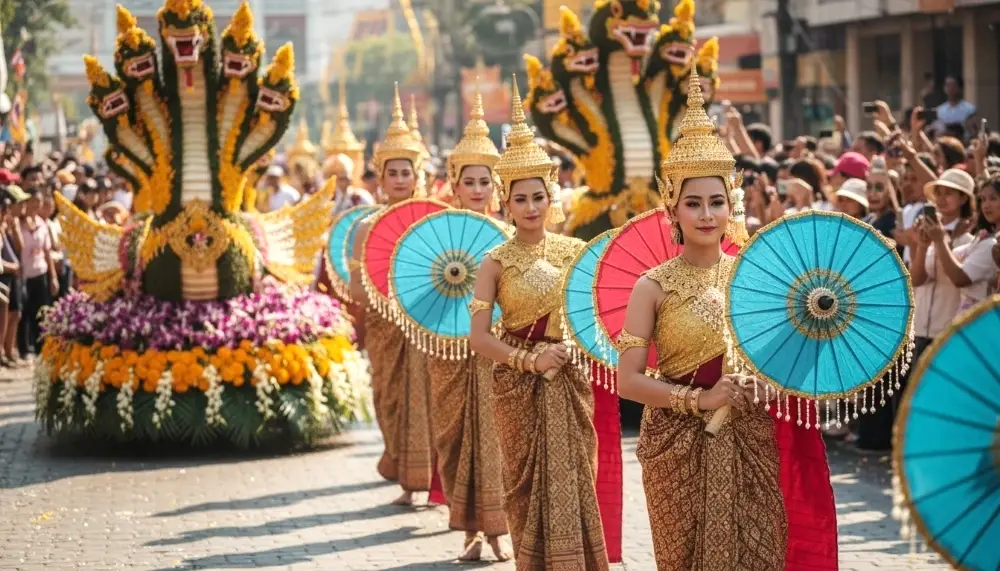
- Colourful street parades, flower arrangements, and elaborate costumes
- Night markets, street food stalls, and locally brewed treats you won’t find anywhere else
For travellers, festivals offer a rare window into everyday Thai life. Rather than simply visiting a place, you become part of a shared moment the entire community is living. That is a profoundly different kind of travel, and it stays with you long after the flights home.
It’s also worth noting that Thailand’s festival calendar is not frozen in time. Dates for lunar-based celebrations shift every year, so always confirm exact dates a few months before booking, particularly for Loy Krathong and Yi Peng, which fall on a specific full moon night.

Skip-the-line tickets and guided walks
in Thailand with English-speaking
guides. Read real traveller reviews
before committing to a single one.
Songkran: Thailand’s Famous Water Festival
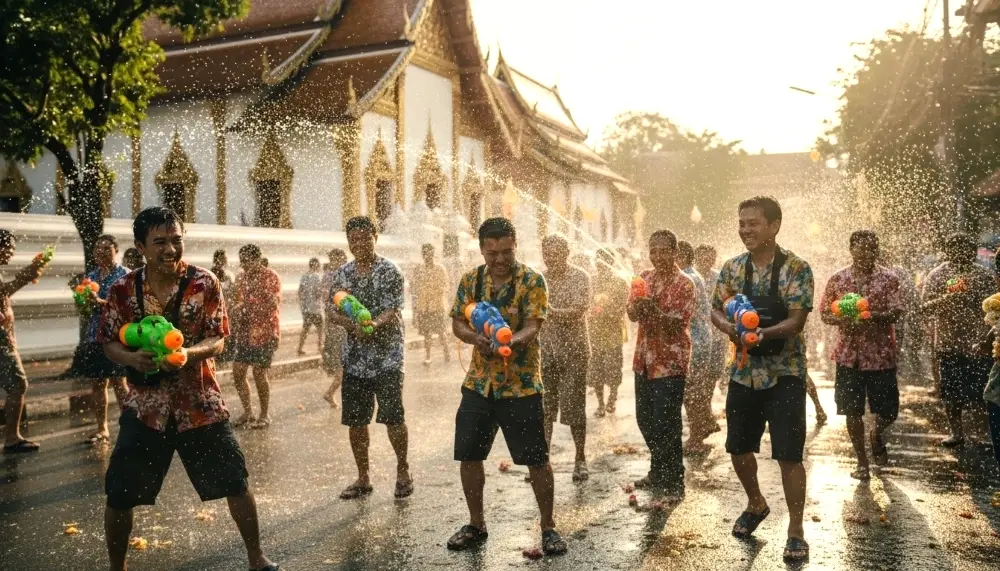
If you’ve ever seen videos of enormous water fights spilling out across Thai city streets, you’ve been watching Songkran, the Thai New Year celebration held across the country every April.
Originally, Songkran was a gentle tradition where families poured scented water over Buddha statues and the hands of elders as a sign of respect and spiritual renewal. Over generations, the celebration evolved into a nationwide water festival that lasts anywhere from three to seven days depending on the city, and the whole country essentially pauses to celebrate together.
Today, the streets turn into joyful, soaking battlegrounds where everyone joins in regardless of age, background, or how much they paid for their clothes. Buy a water gun, expect to be thoroughly drenched, and embrace it completely. Trying to stay dry is a battle you will not win, and fighting it will only make you miserable.
Some of the best places to experience Songkran include:
- Bangkok – especially Khao San Road and Silom, which host massive street celebrations
- Chiang Mai – widely considered the best Songkran celebrations in the entire country, with the moat road as the epicentre
- Phuket – beachside celebrations with a lively, international party atmosphere
- Ayutthaya – for a more culturally rooted Songkran blending temple rituals with water play
One practical note: accommodation fills up extremely fast for Songkran, particularly in Chiang Mai. Search Agoda or Booking.com at least two months in advance and lock in your stay before prices spike. Intercity buses and trains also sell out quickly, so use 12GO to pre-book your transport well ahead of the holiday surge.
What to Know Before Songkran:
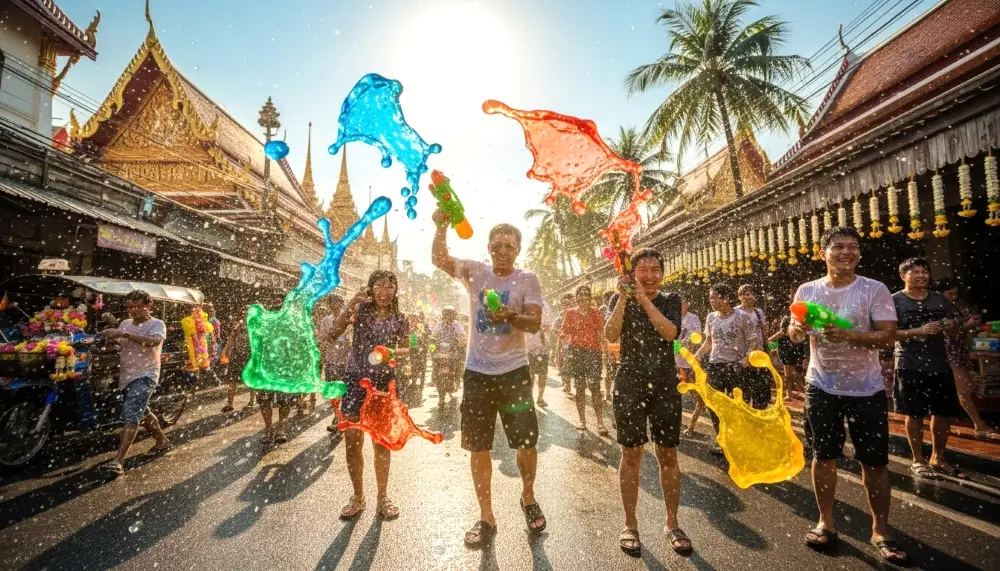
A few preparations go a long way toward making Songkran genuinely enjoyable rather than stressful. April in Thailand is among the hottest months of the year, so being doused in water every thirty seconds is not just fun: it’s a genuine relief.
Before you head out:
- Store your passport, phone, and valuables in a dry bag or waterproof pouch
- Wear light, quick-drying clothes you don’t mind getting completely soaked
- Buy a water gun from any street vendor for around 50 to 150 THB (roughly £1.10 to £3.30)
- Activate your Airalo, Yesim, or Saily eSIM data plan before departing for Thailand so you can use navigation apps and contact family without hunting for a SIM card on arrival during the chaos of a national holiday
- If flying into Bangkok during Songkran weekend and your flight is delayed, remember that AirHelp can help you claim compensation for disrupted flights under EU and UK regulations
For families with young children, the mornings are generally gentler, with more temple rituals and community events before the water fights intensify in the early afternoon. Arriving to the celebrations around 10am lets you experience both sides of the festival at a comfortable pace.

Airalo covers Thailand with a range of
data plans from days to a month.
No physical SIM swap, no roaming
bill shock when you get back home.
Loy Krathong: Thailand’s Most Beautiful Festival
If Songkran is the wildest festival in Thailand, Loy Krathong is easily the most magical. There is a serenity to this celebration that stays with you for years after you’ve experienced it for the first time.
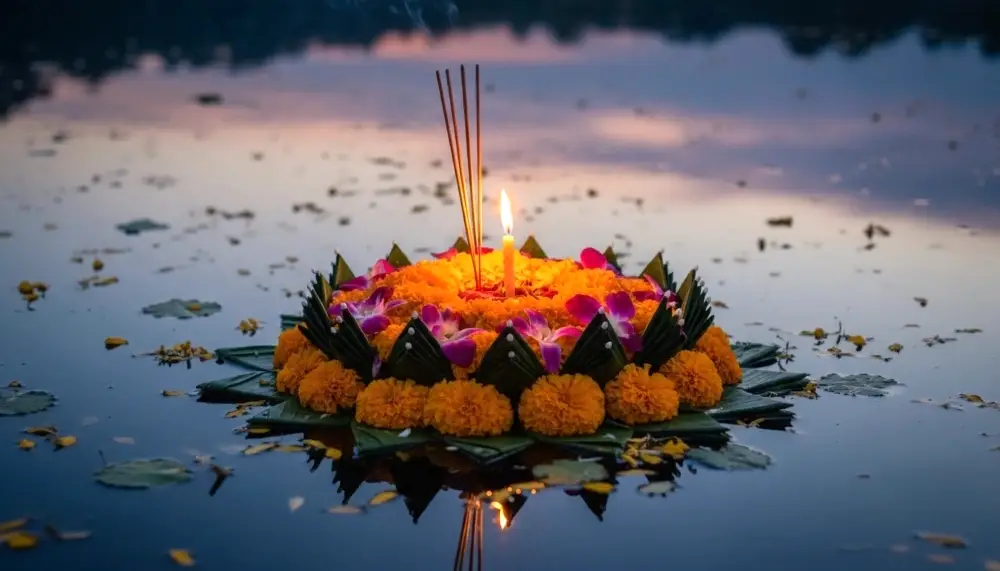
Held on the full moon of the 12th lunar month (usually falling in November), this festival involves floating small decorated baskets called krathongs on rivers, canals, and lakes across the whole country.
Each krathong is typically handcrafted from banana leaves or bread, and contains:
- A lit candle at the centre
- Incense sticks
- Flowers, usually marigolds or orchids
- A small offering or coin
- Sometimes a lock of hair or a fingernail clipping as a symbolic letting go
Releasing your krathong onto the water symbolises letting go of past grievances, bad luck, and negativity, welcoming a fresh start carried downstream. It’s deeply personal, and even first-time visitors who have no prior connection to the tradition often find themselves genuinely moved by the experience.
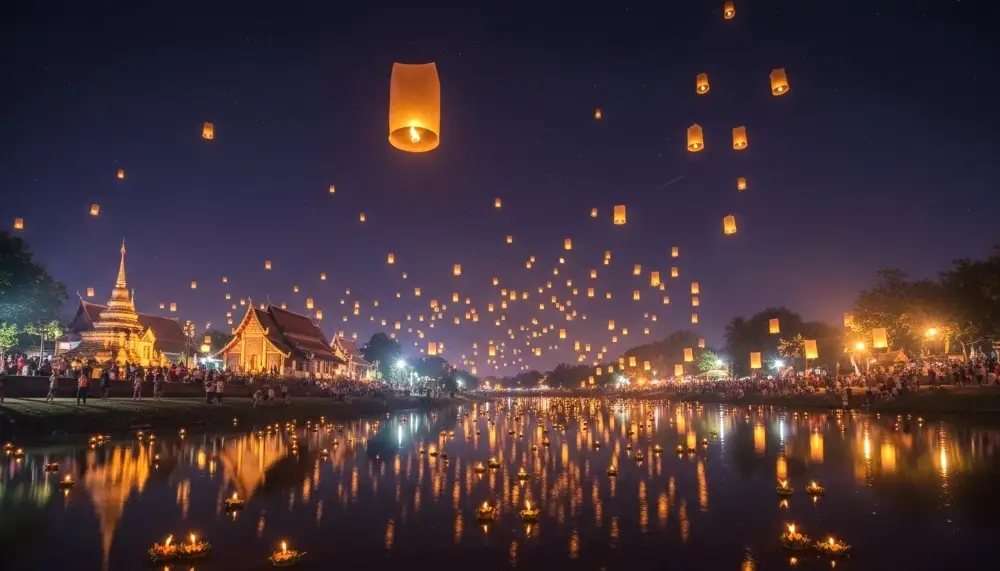
Cities like Bangkok and Chiang Mai host beautiful celebrations where thousands of floating candles illuminate the water after dark. It is peaceful, romantic, and deeply unforgettable. For couples, Loy Krathong evening on the Ping River in Chiang Mai is one of the most romantic things you can do anywhere in Southeast Asia.
Planning Your Loy Krathong Experience:
Loy Krathong happens on a single night, which means preparation matters. Riverside hotels and guesthouses sell out weeks in advance, particularly in Chiang Mai where the festival coincides with Yi Peng. Search Agoda and Booking.com early and filter specifically for riverside properties to get the best views from your room or balcony.
On the evening itself:
- Buy or make your krathong from vendors near the riverbank (expect to pay around 50 to 100 THB, roughly £1.10 to £2.20)
- Arrive at the river early to secure a good spot before crowds build
- Book a traditional Thai dinner on the riverside in advance through Get Your Guide or Klook for a properly curated evening
- Carry cash for food stalls and market vendors, as card readers are rarely available at festival night markets
If you want to experience both Loy Krathong on the river and the Yi Peng lantern release in the sky, Chiang Mai is the only place in Thailand where both happen simultaneously. It is genuinely extraordinary, and worth building your entire itinerary around if the dates align with your trip.

Saily’s Thailand eSIM costs less than
most tourist SIMs charge per day.
Easy install, transparent pricing,
and solid NordVPN infrastructure.
Yi Peng Lantern Festival in Northern Thailand:
Around the same time as Loy Krathong, northern Thailand celebrates Yi Peng, a lantern festival where thousands of glowing paper lanterns are released into the night sky simultaneously.
There is genuinely nothing else quite like it. Watching the sky fill with warm orange light as thousands of lanterns drift upward in near silence is one of those experiences that renders words inadequate. If you have ever seen that image on a travel poster and wondered whether it actually looks that beautiful in real life, it does. It looks better.
The best place to experience Yi Peng is Chiang Mai, where the entire city celebrates with:
- Mass lantern releases at dedicated venues (ticketed) and spontaneously across the city
- Temple ceremonies and Buddhist merit-making throughout the day
- Cultural performances including classical Lanna dance and music
- Vibrant night markets and street food stalls serving northern Thai specialities
For photographers and first-time visitors alike, Yi Peng regularly becomes the highlight of an entire Thailand trip. Book a dedicated lantern release event through Klook or Get Your Guide well in advance, as the most popular organised releases sell out months ahead. Spontaneous lantern releases happen citywide throughout the evening, so you will still have plenty of moments even without a formal ticket.
If you’re travelling from Bangkok to Chiang Mai for Yi Peng, book your train or bus seats on 12GO at least six to eight weeks before the festival. Seats disappear fast as domestic travel spikes around this period.

Book Thailand day trips, attractions,
and activities in one place. Check
real reviews and lock in your spot
before the popular slots go.
The Vegetarian Festival in Southern Thailand:
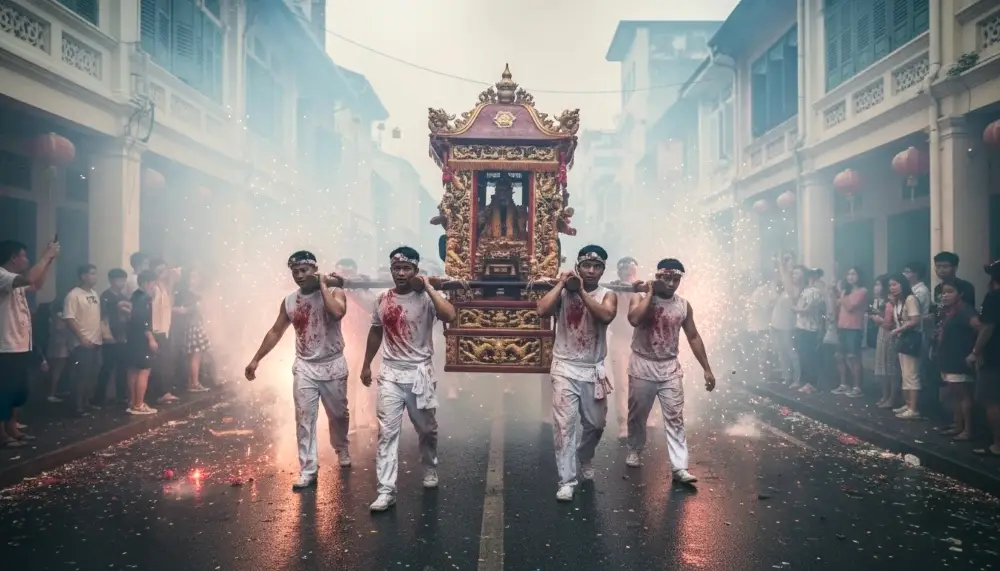
One of Thailand’s most unusual and genuinely fascinating cultural events takes place in Phuket during the Vegetarian Festival, typically held over nine days in October.
This nine-day Taoist celebration focuses on purification of the body and spirit through strict vegetarian eating, white dress codes, and deeply sacred spiritual rituals. The Chinese-Thai community of Phuket Town has observed this tradition for generations, and it remains one of the most intensely authentic religious events you will encounter anywhere in Southeast Asia.
Visitors will see:
- Colourful street processions moving between Chinese shrines throughout Phuket Town
- Firecracker displays so loud they are audible from several kilometres away
- Traditional ceremonies with drumming, offerings, and incense
- Devoted participants performing acts of spiritual endurance as an expression of deep faith
While parts of the festival can be visually intense, it is above all a demonstration of profound spiritual devotion that the community takes enormously seriously. Visitors who approach it with genuine respect and curiosity are welcomed warmly.
The food dimension alone makes it worth attending. Phuket Town fills with hundreds of vegetarian stalls serving dishes marked with a distinctive yellow flag, and the quality is extraordinary. Even committed meat eaters consistently report being surprised by how delicious the festival food turns out to be.
Makha Bucha and Buddhist Festival Days:
Not every Thai festival involves water fights or lanterns. Some of the most moving experiences happen quietly, during Buddhist observance days that most travellers know nothing about until they happen to walk past a temple at the right moment.
Makha Bucha falls on the full moon of the third lunar month (usually February or March) and commemorates a key event from the Buddha’s life. Across Thailand, thousands of devotees participate in candlelit processions called wien tian, walking three times clockwise around temple sanctuaries after dark. The effect is strikingly beautiful.
Other important Buddhist observance days include:
- Visakha Bucha (May) – the most important Buddhist holiday, celebrating the Buddha’s birth, enlightenment, and passing
- Asanha Bucha (July) – marking the Buddha’s first sermon
- Khao Phansa (July) – the beginning of Buddhist Lent, when monks retreat to their temples for three months
- Ok Phansa (October) – the joyful end of Buddhist Lent, celebrated with boat races and temple fairs
Note that alcohol sales are restricted on major Buddhist holidays throughout Thailand. If you are planning a celebratory evening, plan around these dates or stock up in advance.
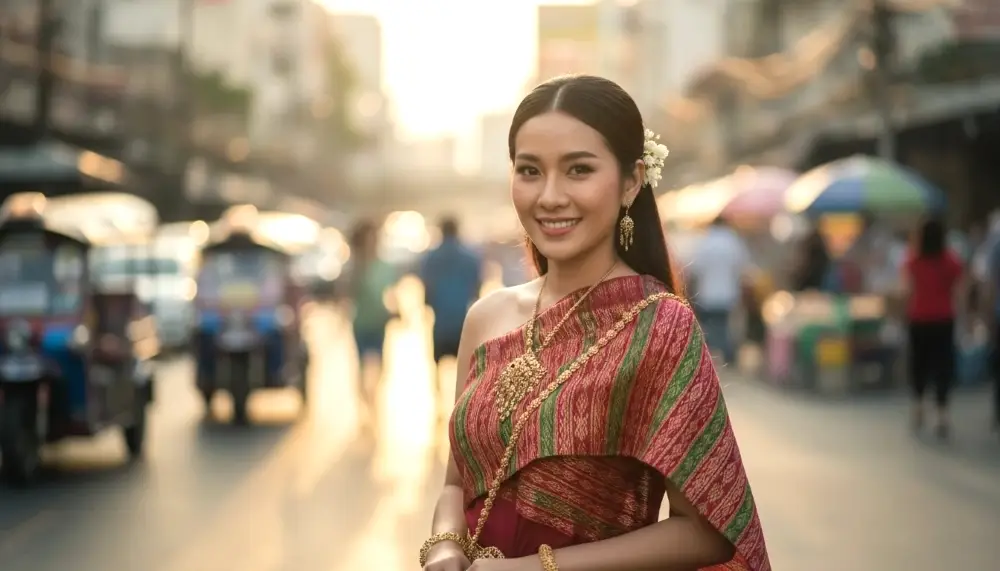
Phi Ta Khon: The Ghost Festival of the North-East:
Few travellers make it to Dan Sai in Loei province, which is precisely why those who do tend to describe it as one of the most surprising experiences of their Thailand trip. The Phi Ta Khon Ghost Festival is unlike anything else in the country.
Held over three days (usually in June or July, though exact dates are set by the local spirit medium each year), the festival combines Buddhist merit-making with ancient animist traditions. Locals dress in wildly vibrant handmade ghost costumes featuring enormous carved masks and patterned robes, then parade through town in a celebration that is simultaneously sacred and gleefully chaotic.
What makes it special:
- The masks are unique works of folk art, handmade from bamboo steamers and painted in bold designs
- The atmosphere is joyful and uninhibited, with locals inviting visitors to join the parade
- The festival remains genuinely local, with very few international tourists compared to Chiang Mai events
- The second day includes a Buddhist ceremony at the local temple, offering a direct contrast to the previous day’s exuberance
Getting to Dan Sai requires some planning. Book accommodation through Agoda well in advance as the town has limited options, and lock in your bus connections from Loei city via 12GO before the routes fill. It is absolutely worth the effort.
Modern Celebrations: Beach Parties and Music Festivals
Not every Thai festival is ancient. In recent decades, Thailand has also become famous for modern celebrations and global party events that draw tens of thousands of travellers from every corner of the world.
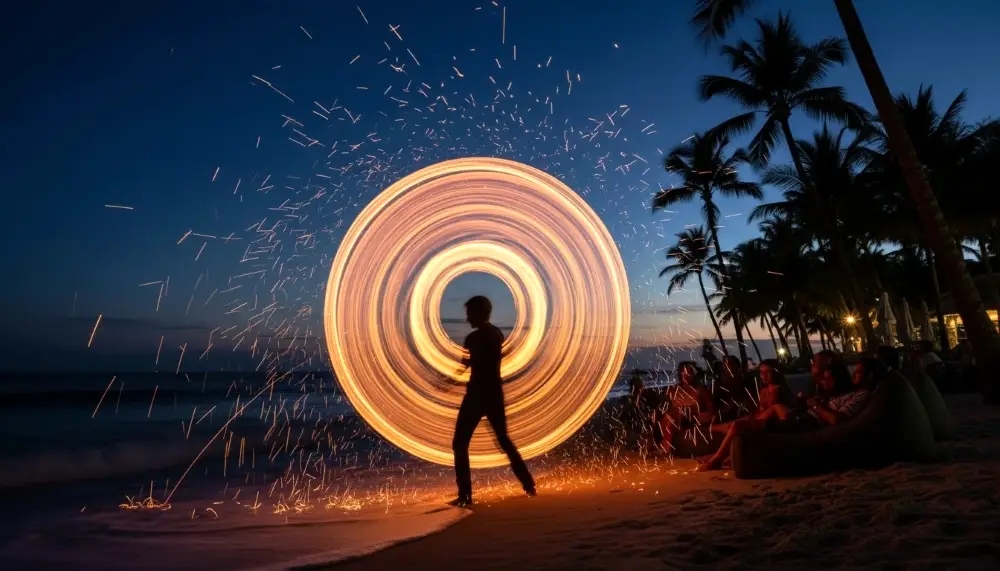
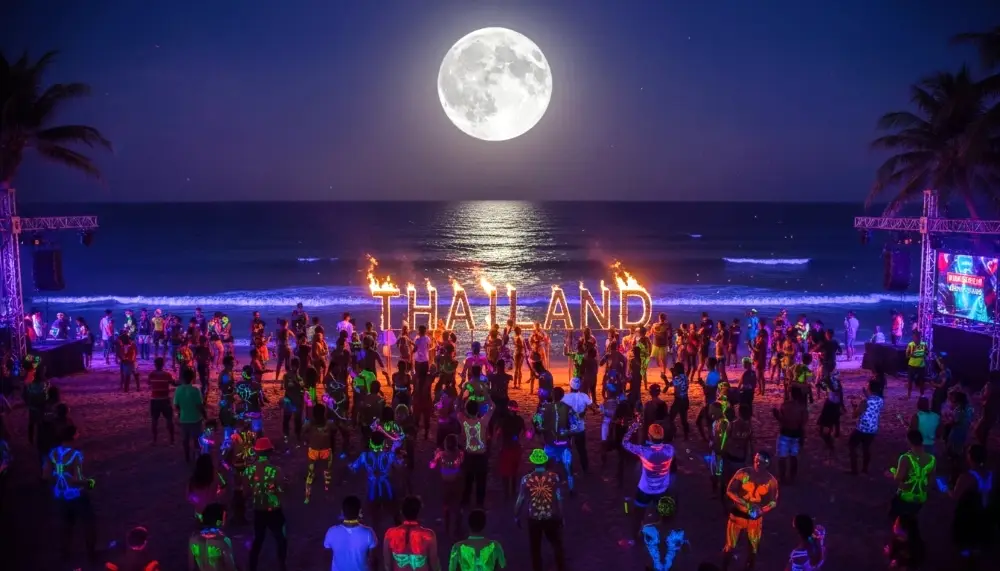
One of the best known is the Full Moon Party on the island of Koh Phangan, where thousands of travellers gather on Haad Rin Beach for music, dancing, fire shows, and all-night beach celebrations every single month around the full moon. It’s become a genuine rite of passage for backpackers across Southeast Asia, and despite its reputation, it remains one of the most exhilarating nights you can have in Thailand.
Other modern events include:
- International music festivals and electronic music events in Bangkok and Pattaya
- New Year countdown beach celebrations on Koh Samui, Phuket, and Koh Lanta
- Cultural food festivals in Bangkok celebrating both Thai regional cuisine and international flavours
- Half Moon and Black Moon parties on Koh Phangan for those who miss the main event
These events mix Thai hospitality with global travel culture. If you’re working remotely and basing yourself in Thailand for a month or two, the festival calendar gives you something to plan your movements around beyond just coworking cafes. Just remember to use NordVPN when connecting to any public Wi-Fi at beach bars or festival venues to keep your data and devices secure.
Regional Festivals Worth Seeking Out:
Beyond the headline events, Thailand’s regional festivals reward travellers who are willing to venture off the well-worn tourist trail. These smaller celebrations often feel more personal and more authentic precisely because the crowds are thinner and the community involvement is more visible.
Celebrations worth adding to your radar:
- Chiang Mai Flower Festival (February) – stunning floral floats parade through the city in peak cool season
- Surin Elephant Festival (November) – one of Asia’s largest elephant gatherings, with cultural performances in Thailand’s north-east
- Lopburi Monkey Festival (November) – the town’s famous macaque population is treated to an enormous banquet feast, which is as chaotic and entertaining as it sounds
- Nakhon Pathom Krathin Festival (October) – royal kathin ceremony at Phra Pathom Chedi, one of the tallest Buddhist monuments in the world
- Ubon Ratchathani Candle Festival (July) – intricate beeswax sculptures of extraordinary scale paraded through the city streets
Getting to regional festivals usually involves an overnight bus or train. Use 12GO to book in advance and avoid turning up at a station to discover every seat is taken by domestic travellers also heading to the event.
Practical Tips for Visiting Thai Festivals:
Festivals can be incredible experiences, but they also bring large crowds, inflated prices, and logistical complications that catch unprepared travellers off guard. A modest amount of planning makes an enormous difference to how the experience unfolds.
Here are the most important practical tips:
- Book accommodation early on Agoda or Booking.com, especially for Songkran in Chiang Mai and Loy Krathong/Yi Peng where riverside rooms vanish months ahead
- Pre-book transport via 12GO for any intercity bus or train around major festival dates, when domestic travel surges sharply
- Activate your eSIM before departure using Airalo, Yesim, or Saily, so your Grab and mapping apps work the moment you land without needing to queue at an airport SIM counter during busy holiday periods
- Dress respectfully when visiting temples and attending religious ceremonies: cover your shoulders and knees
- Carry cash at all times for food stalls, market vendors, tuk tuks, and entry donations at temples
- Stay hydrated, especially during hot season festivals in April and May when temperatures regularly exceed 35°C
- Use NordVPN when connecting to festival venue Wi-Fi or beach bar networks to protect your banking apps and personal data
- For families: Welcome Pickups offers reliable, pre-arranged airport transfers that are far less stressful than navigating festival-weekend taxi queues with children and luggage
Most importantly, keep an open mind. Thai festivals are joyful and welcoming by nature, and visitors are almost always invited to join in rather than simply stand at the edge and watch. That openness is one of the things that makes Thailand so special as a destination.

Maps, Grab, translation apps all need
data in Thailand. Yesim’s eSIM installs
in a minute and gives you reliable
5G from the moment you arrive.
If You’re Nervous About Joining a Festival:
First-time visitors sometimes worry about accidentally disrespecting traditions or doing the wrong thing at a religious event. That anxiety is completely understandable, and it is also largely unfounded.
The good news is that Thailand is genuinely and consistently welcoming to travellers who show even basic levels of curiosity and respect. You do not need to know the history of every ritual or understand the Sanskrit prayers to be welcomed into the celebration.
If you’re unsure what to do:
- Watch what locals do first and mirror their behaviour
- Follow simple temple etiquette: shoes off at the entrance, voices low inside the sanctuary
- Smile, be patient, and approach everything with genuine curiosity rather than a camera-first mentality
- Ask before photographing monks or participants in religious ceremonies
Thais understand that visitors are encountering their culture for the first time, and genuine curiosity is almost always appreciated warmly. In fact, festivals are consistently when travellers report experiencing the warmest hospitality from local communities throughout their entire trip.
Long-Stay Travellers and Remote Workers at Thai Festivals:
If you’re spending an extended period in Thailand as a remote worker or digital nomad, the festival calendar transforms from a tourist checklist into a genuine rhythm for your life here. Instead of rushing between events on a two-week itinerary, you get to experience them as a resident might, with the context, the local friendships, and the time to appreciate each celebration properly.
A few practical notes for long-stay travellers:
- Health insurance matters more than many nomads realise. SafetyWing’s Nomad Insurance covers emergency medical treatment across Thailand at reasonable monthly rates, which is well worth factoring into your budget before a festival season injury turns into a financial crisis
- Use NordVPN on coworking cafe networks and festival venue Wi-Fi without exception
- The Grab app is the most reliable way to book taxis during festival periods when street taxis dramatically inflate their prices. Have it set up and verified before the first festival you attend
- Monthly apartment rentals through Agoda or Booking.com often work out significantly cheaper than booking nightly during peak festival periods
Thailand rewards travellers who stay long enough to find their own rhythm here. The festival calendar is one of the great reasons to extend a two-week trip into a two-month stay.
A Perfect Way to Experience Thailand:
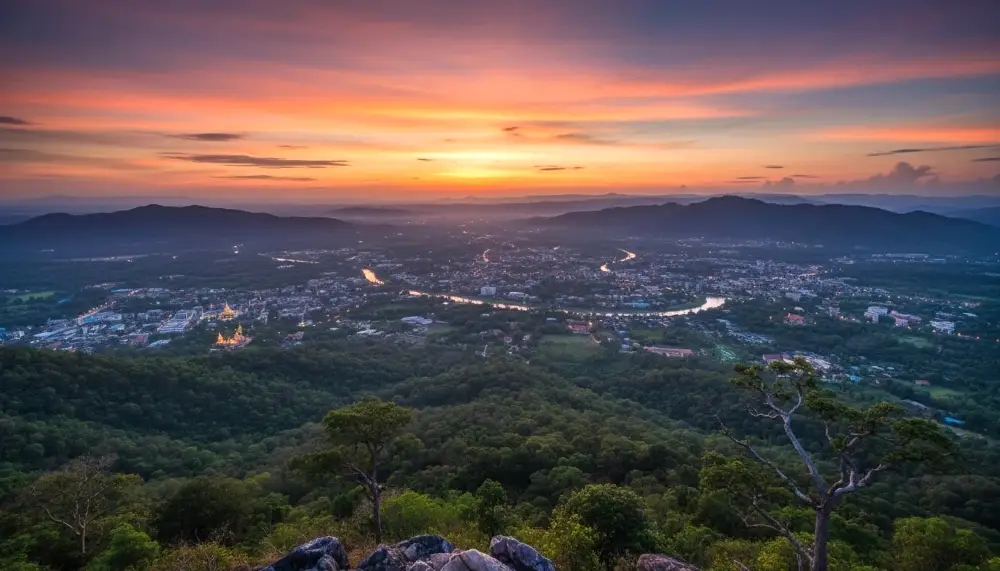
Whether you’re splashing through Songkran streets, floating candles on the Ping River during Loy Krathong, watching lanterns drift across the Chiang Mai sky during Yi Peng, or standing in the quiet shimmer of a candle procession during Makha Bucha, Thai festivals reveal the country at its most alive.
They show you the heart of Thailand: community, spirituality, celebration, joy, and the kind of warmth that makes people come back year after year.
If your travel dates happen to align with one of these incredible events, embrace it completely. You might arrive expecting temples, beaches, and markets, and leave instead remembering the night sky filled with ten thousand lanterns, or the laughter of strangers handing you a water gun and pulling you into the fight, or the glow of a single candle floating gently downstream at midnight.
Once you experience your first Thai festival properly, you will find yourself planning your next trip specifically around the one you want to see next. That is how Thailand works on people. It gets into you.
Frequently Asked Questions: Thai Festivals
When is the best time of year to visit Thailand for festivals?
November is widely considered the single best month to time a Thailand trip around festivals. Loy Krathong and Yi Peng both fall on the same full moon night in November, which means Chiang Mai in particular offers a double festival experience that is genuinely difficult to match anywhere in the world. The weather is also at its most pleasant during November, with cooler temperatures, low humidity, and very little rain across most of the country. April is the second best option if you want Songkran, though it is also the hottest time of year. February offers the Chiang Mai Flower Festival and the serene Makha Bucha candle procession. If your dates are flexible, building your trip around November gives you the best combination of weather, manageable crowds outside peak venues, and cultural richness.
How far in advance should I book accommodation for Songkran or Yi Peng?
For Songkran in Chiang Mai, book at least two to three months in advance. The city receives an enormous influx of both Thai and international visitors during the April water festival, and popular guesthouses and riverside hotels sell out extremely quickly. For Yi Peng and Loy Krathong in November, the same three-month rule applies, with riverside properties in particular disappearing fast. Searching Agoda and Booking.com as soon as your travel dates are confirmed is the safest approach. If you arrive without a booking during either of these festivals, expect to pay significantly inflated rates for whatever remains available, and be prepared to stay further from the action than you would like.
Is it safe to attend the Full Moon Party on Koh Phangan?
The Full Moon Party is safe for the vast majority of attendees when approached sensibly. The main things to be aware of: drink only from sealed bottles or cans rather than communal buckets if you are uncertain about what is in them, keep your phone and valuables in a secure bag or leave them at your guesthouse, and be cautious on the beach itself after dark as the terrain around the shoreline can be uneven. The party takes place monthly, so it is far less frantic than a once-a-year event and crowd management has improved significantly over the years. Travelling to and from Koh Phangan by ferry is straightforward, and pre-booking your return boat through 12GO avoids the scramble for seats on the morning after.
Can families with young children attend Thai festivals?
Yes, and Thai festivals are genuinely wonderful experiences for children. Loy Krathong is particularly magical for young kids, who are captivated by floating candles and the ritual of releasing a krathong onto the river. Yi Peng lantern releases are similarly awe-inspiring for children of all ages. Songkran is excellent fun for families, though be prepared for your children to be thoroughly soaked and to absolutely love it. The Vegetarian Festival in Phuket is suitable for older children but may be intense for very young ones. For stress-free airport arrivals with luggage and children in tow during busy festival periods, Welcome Pickups provides pre-booked transfers with child seat options that remove the chaos of sorting transport at the baggage carousel.
What should I wear to Thai festivals and temple events?
For water festivals like Songkran, wear light, quick-drying clothes you genuinely do not mind getting completely soaked, and store everything important in a waterproof bag. For temple-based festivals including Loy Krathong, Yi Peng, Makha Bucha, and any ceremony held within temple grounds, the standard rule applies: cover your shoulders and knees. Loose cotton trousers and a light long-sleeved shirt work well and are comfortable in the heat. Sarongs are often available to borrow at temple entrances if you arrive underdressed, though having appropriate clothing shows respect and is always appreciated. For the Vegetarian Festival in Phuket, white clothing is part of the tradition for participants, and wearing white yourself (while not obligatory for visitors) is a thoughtful way to show respect for the event.
Do Thai festivals happen on fixed dates every year?
Some do, and some do not. Songkran falls on 13 to 15 April every year as a fixed public holiday, making it easy to plan around. However, many of Thailand’s most celebrated festivals are tied to the lunar calendar, meaning their dates shift year to year in the Gregorian calendar. Loy Krathong and Yi Peng fall on the full moon of the 12th lunar month, which usually lands somewhere between late October and mid-November. Makha Bucha, Visakha Bucha, and Asanha Bucha all shift annually. The Phi Ta Khon Ghost Festival in Dan Sai is particularly unusual, with dates set each year by the local spiritual leader. Always verify exact dates a few months before your intended travel, particularly for lunar-calendar events, and check with a reliable Thailand travel resource before booking non-refundable flights.
How do I get from Bangkok to Chiang Mai for Yi Peng on a budget?
The overnight train from Bangkok Hua Lamphong or Krung Thep Aphiwat station to Chiang Mai is one of the great travel experiences in Southeast Asia and is very affordable, with second-class sleeper berths costing roughly 800 to 1,200 THB (approximately £17 to £26). The journey takes around 12 to 13 hours overnight, arriving in Chiang Mai in the morning, which means you save a night’s accommodation and wake up refreshed in the right city. Book well in advance through 12GO as Yi Peng season fills every available berth quickly. Budget airlines including AirAsia and Nok Air also fly the route in around 70 minutes for similar prices when booked early, though the train offers a genuinely more memorable experience for first-time visitors.
What is the Vegetarian Festival actually like for visitors who eat meat?
Attending as a meat-eating visitor is entirely fine and very common. The yellow flag stalls throughout Phuket Town serve exclusively vegetarian food during the nine-day festival, and the quality is genuinely impressive: mock meats, fresh tofu dishes, stir-fried vegetables, noodle soups, and sweet desserts all prepared with enormous care. Most visitors are surprised by how satisfying the food turns out to be. The spiritual and ceremonial elements of the festival are what make it truly memorable, and you do not need to be vegetarian or Taoist to observe and appreciate them respectfully. Restaurants outside the festival area continue to serve regular menus throughout the event. The main thing to be prepared for is the noise: firecracker displays are extremely loud and frequent, particularly during street procession mornings.
Are Thai festivals suitable for solo travellers?
Thai festivals are among the best experiences in the world for solo travellers, and many solo visitors find that festivals are where they make the most meaningful connections with both other travellers and local Thai people. Songkran in particular has an unusually social atmosphere where strangers instantly become co-conspirators in the water fight. Loy Krathong is a quieter, more reflective experience but equally welcoming. For solo travellers concerned about safety, the standard precautions apply: keep valuables secure, use Grab rather than unmarked taxis, and stay in well-reviewed guesthouses in central festival areas. Booking a guided cultural tour through Get Your Guide or Klook for your first temple ceremony or lantern release can be a helpful way to have context and company if you prefer a structured introduction to an unfamiliar celebration.
Do I need travel insurance for visiting Thailand during festival season?
Travel insurance is strongly recommended for any trip to Thailand, and festival season adds particular reasons to have proper coverage in place. Songkran involves water, slippery streets, and high-spirited crowds, and minor injuries are not uncommon. Medical care in Thailand can be excellent but is not free for foreign visitors, and hospital bills at private facilities can be significant without insurance. For short-stay visitors, a standard travel policy that includes emergency medical evacuation is the minimum sensible coverage. For longer stays and remote workers, SafetyWing’s Nomad Insurance offers monthly rolling coverage at reasonable rates with solid emergency medical benefits across Thailand. If your outbound flight is delayed or cancelled due to festival-period travel disruption, AirHelp is worth knowing about for pursuing any compensation you may be entitled to under applicable regulations.