Krabi vs Phuket: The Andaman Sea Battle
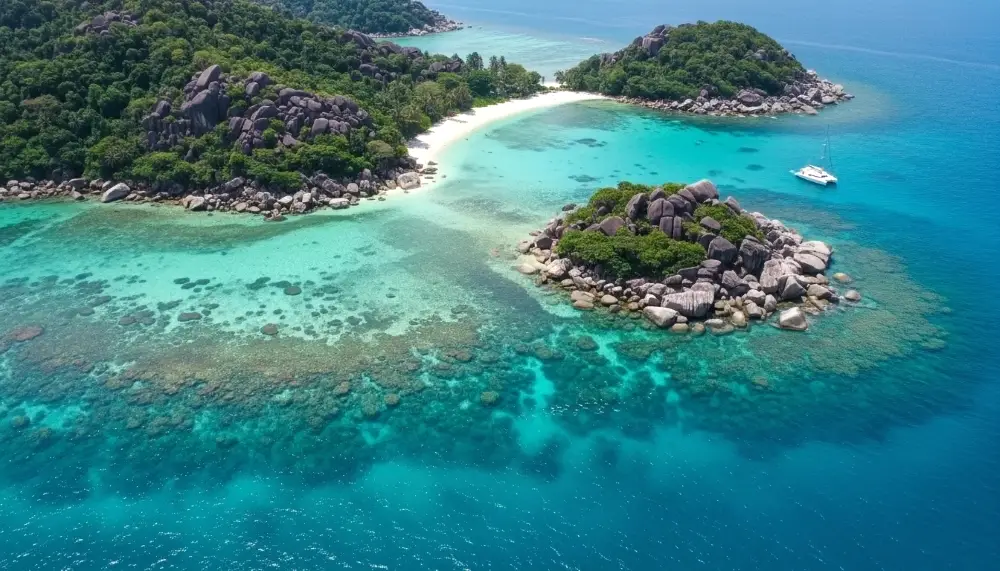
The Andaman Sea serves as the ultimate stage for Thailand’s most iconic coastal rivalry. On one side, Phuket stands as the heavy-hitting veteran: a sophisticated island province of sprawling resorts, high-octane nightlife, and Michelin-rated dining. Opposite lies Krabi, the rugged mainland contender defined by gravity-defying limestone karsts, emerald lagoons, and a noticeably slower pulse. Both destinations deliver the quintessential Thai paradise, but the choice between them dictates the very texture of your tropical holiday. Get this decision right and you will spend your evenings exactly where you belong. Get it wrong and you will spend them wishing you were somewhere else.
The Quick View:
Best for Infrastructure: Phuket offers superior roads, an international airport with global direct flights, and world-class private hospitals.
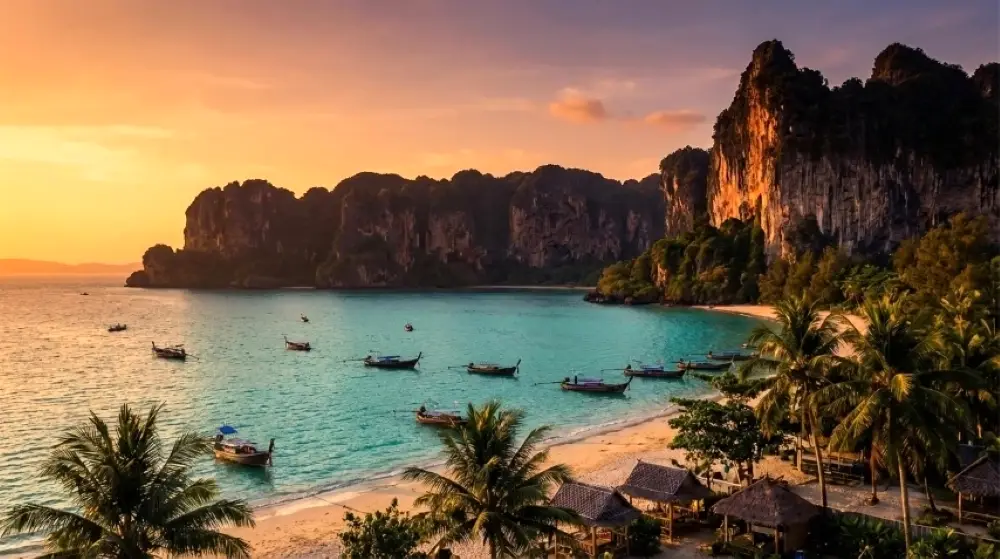
Best for Scenery: Krabi wins with its dramatic limestone cliffs and the unique, boat-only access to the Railay peninsula.
Budget Reality: Krabi is generally 20% to 30% cheaper for mid-range accommodation and local dining compared to Phuket’s tourist hubs.
Vibe Check: Phuket is high-energy and commercial; Krabi is laid-back and nature-centric.
Best for Families: Phuket, for the breadth of child-friendly infrastructure and the quality of its international hospitals.
Best for Photographers: Krabi, without question. The karst landscape at golden hour is one of the most photogenic environments on the planet.
Before You Arrive: Activate an Airalo, Yesim, or Saily eSIM before boarding your flight. Both Grab and Bolt require SMS verification on first use, and airport Wi-Fi is not the moment to discover that yours has not arrived.

Keep your Phuket plans flexible with
Booking.com’s free-cancellation stays.
Reserve now, decide later, and pay
only when your dates are confirmed.
Island vs. Mainland: Understanding the Geography
Phuket: The Island That Does Everything
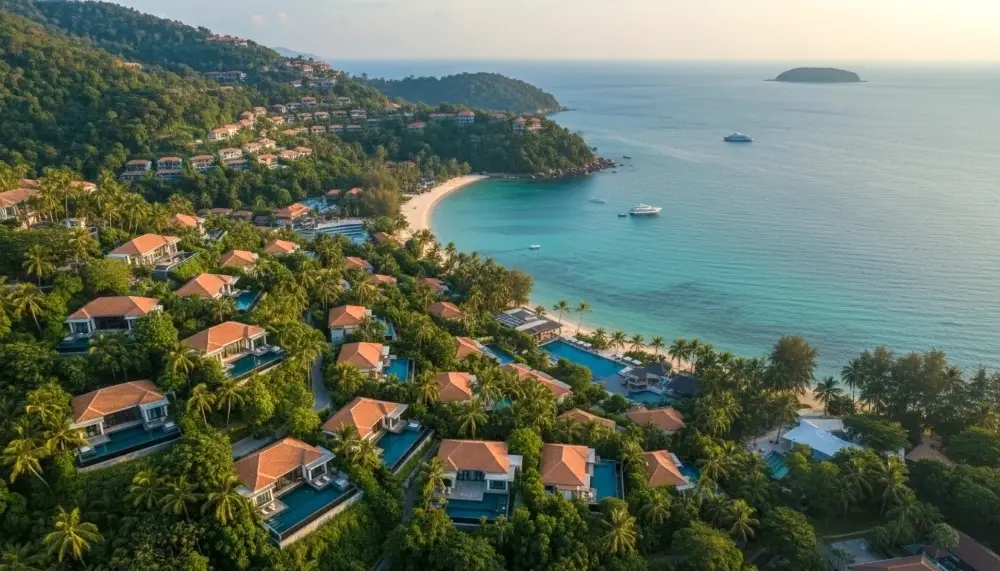
Phuket is Thailand’s largest island, connected to the mainland by the Sarasin Bridge and offering a diverse mix of developed beach towns, historic Sino-Portuguese architecture in the Old Town, and dense jungle interiors accessible by a well-maintained road network. It is a place of genuine convenience. You can land at Phuket International Airport (HKT), step into a pre-booked Welcome Pickups transfer or a Grab car, and be at a luxury villa in Layan or a beach club in Bang Tao within forty minutes. No boats required, no logistics to navigate.
The coastline is divided into distinct neighbourhoods that suit entirely different types of traveller. Patong is the notorious party district: loud, commercial, and relentlessly energetic. Kata and Karon offer family-friendly beaches with calmer water and a more relaxed dining scene. Surin and Bang Tao in the north represent the island at its most aspirational: boutique hotels, beach clubs with day beds, and long stretches of sand that remain surprisingly uncrowded even in peak season. Phuket Old Town is an entirely different city within the island, a UNESCO-listed neighbourhood of painted shophouses, local coffee shops, and some of the best food in the South.
Krabi: The Mainland That Demands Effort and Rewards It
Krabi is a mainland province characterised by prehistoric limestone karsts rising vertically from the sea, secluded coves accessible primarily by longtail boat, and a more rustic, vertical landscape that genuinely cannot be replicated anywhere else in Southeast Asia. The primary tourist base is Ao Nang, a compact beach town with a functional beachfront strip of restaurants, tour operators, and guesthouses. It works well as a base, but the soul of the region is consistently found elsewhere.
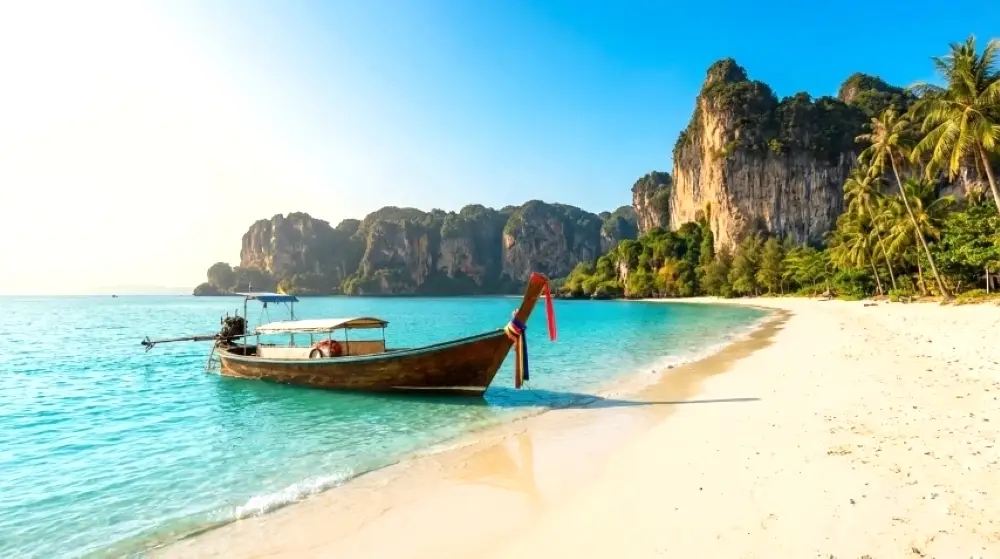
To reach Railay Beach or Phra Nang Cave, you must board a traditional longtail boat from Nam Mao Pier or Ao Nang. There are no roads into the Railay peninsula; only footpaths, the sound of monkeys in the forest canopy, and the quiet lap of the Andaman against limestone. This inaccessibility is not a flaw in the design. It is the entire point. Railay is what Krabi does that Phuket simply cannot: genuinely remove you from the mechanised world.
Krabi Town itself, about 40 minutes inland from Ao Nang, is where the province actually lives. Morning markets, riverfront restaurants, and guesthouses charging a fraction of beachside rates make it an excellent base for budget travellers and those staying for more than a week.

From classic Phuket highlights to
hidden-gem private tours. Cancel
free up to a day before your
start time if plans change.
Cost Comparison: What You Will Actually Spend
Phuket commands a genuine premium over Krabi, particularly in the beach-adjacent neighbourhoods of Patong, Kamala, and Surin. A mid-range boutique hotel in Ao Nang that costs 1,800 THB per night has a near-direct equivalent in Karon or Kata that costs 2,800 to 3,500 THB. The gap widens further at the luxury end, where Phuket’s pool villa inventory is extensive but commands prices that start at 8,000 THB and climb quickly. Budget travellers find Krabi Town and the inland areas of Krabi genuinely affordable; the same travellers in Phuket will spend significantly more for a comparable experience.
| Feature | Phuket | Krabi |
|---|---|---|
| Primary Transport | Bolt, Grab, Smart Bus | Longtail Boat, Songthaew |
| Main Airport | Phuket International (HKT) | Krabi International (KBV) |
| Daily Mid-Range Budget | 3,500 to 5,000 THB | 2,500 to 3,500 THB |
| Boutique Hotel (Mid-Range) | 2,800 to 4,500 THB / Night | 1,500 to 2,500 THB / Night |
| Street Food Meal | 60 to 100 THB | 50 to 80 THB |
| Longtail Boat Charter (Private) | 2,000 to 3,000 THB / Day | 1,500 to 2,500 THB / Day |
| Scooter Rental | 300 to 400 THB / Day | 250 to 350 THB / Day |
| Nightlife Intensity | High (Clubs, Cabarets, Beach Parties) | Low (Reggae Bars, Fire Shows) |
| Beach Access | Easy (Road access to most) | Moderate (Many require boats) |
| Thai Massage (1 hr) | 300 to 450 THB | 200 to 350 THB |
For accommodation in both destinations, Agoda consistently surfaces the best regional rates on smaller boutique properties that global platforms overlook. Booking.com is worth a parallel check for properties offering flexible cancellation, particularly useful if your travel dates are firm but your itinerary is not.

Compare tours and tickets for Phuket
and book instantly on your phone.
Klook mobile vouchers mean no
printing, just turn up and go.
Where to Stay: Neighbourhoods Decoded
Phuket: Choosing the Right Beach for You
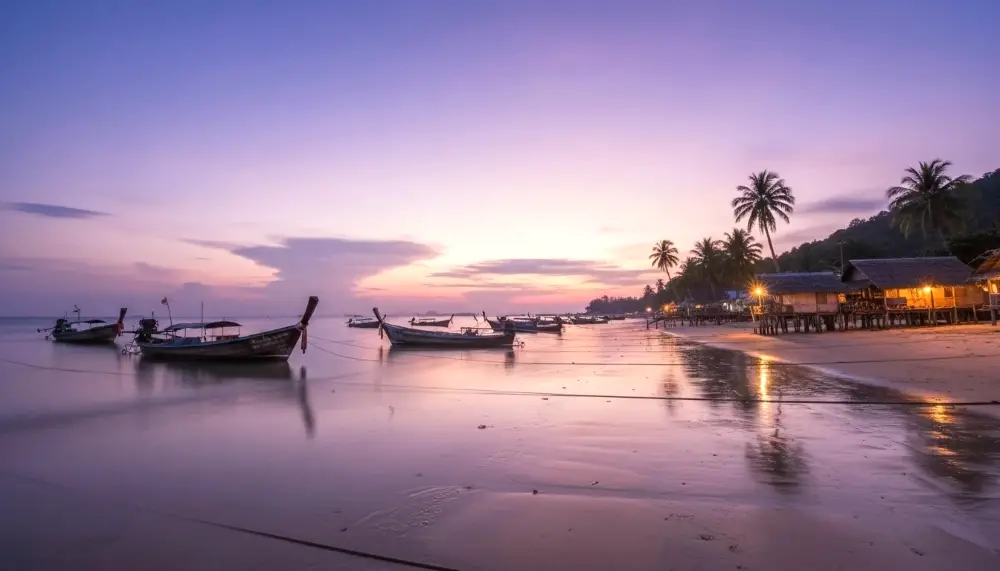
Phuket’s biggest advantage over Krabi is the genuine variety of environments packed onto a single island. The trick is matching your base to your travel personality rather than defaulting to the most famous beach name.
Patong: The one everyone warns you about and half the visitors still choose. It is loud, alive, and relentlessly commercial. If you want Bangla Road at midnight, a working Grab network at 2am, and a 7-Eleven every 50 metres, Patong is efficient at what it does. Do not expect a quiet evening.
Kata and Karon: The family sweet spot. Gentler surf than Patong, proper beach infrastructure, and a dining scene that has expanded significantly in recent years without losing its neighbourhood feel. Mid-range hotels here represent some of the best value on the island.
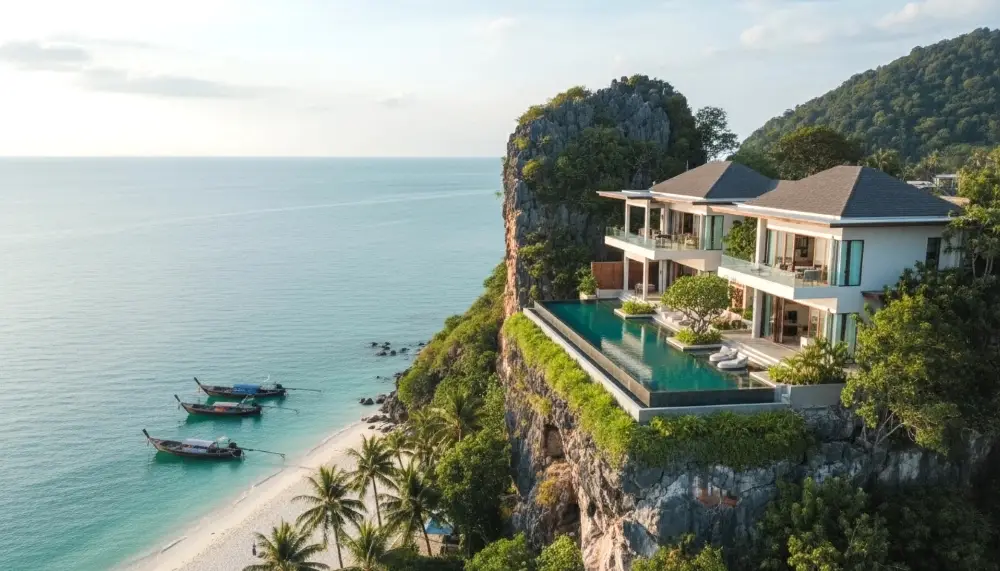
Surin and Bang Tao (Laguna Area): Where Phuket gets genuinely aspirational. The Laguna complex houses five-star properties sharing a lagoon system; the beach itself is long, wide, and relatively uncrowded. Expect to pay 4,000 to 12,000 THB per night for the better properties, but the quality justifies it for special occasions or anniversary trips.
Phuket Old Town: The culturally richest base on the island, and consistently underrated by first-time visitors. Stay here and you will eat better, spend less, and understand Phuket at a deeper level than those parked on the beach. The 30-minute Grab ride to the coast is a minor inconvenience against the considerable rewards.
Krabi: Base Camps for Every Type of Traveller
Krabi’s accommodation geography is simpler than Phuket’s but no less important to get right. The three main bases each serve a distinct travel style.
Ao Nang Beach: The default tourist hub. Convenient, functional, and well-connected to the longtail boat pier for Railay and the island-hopping tours. Mid-range hotels here run 1,500 to 3,000 THB per night and are consistently good value. The beachfront itself is pleasant without being spectacular; the attraction is access rather than the setting itself.
Railay Beach: Accessible only by longtail from Ao Nang or Nam Mao Pier (approximately 100 to 150 THB per person), Railay is what Krabi’s promotional photography actually shows. The limestone towers are extraordinary, the beach is genuinely beautiful, and the absence of vehicles creates a pace of life that is almost meditative. Accommodation here costs a premium for the isolation: expect 2,500 to 6,000 THB for anything decent. Book through Agoda well ahead in peak season.
Krabi Town: The budget traveller’s best-kept secret in the South. Proper Thai town infrastructure, a riverside night market, local coffee shops, and guesthouses from 500 THB per night. The 40-minute songthaew ride to Ao Nang costs around 50 THB and runs frequently. For anyone staying more than five days, Krabi Town as a base saves meaningful money.

From boutique guesthouses to five-star
resorts, Agoda has Phuket covered.
Strong Asia inventory means deeper
discounts than you’d find elsewhere.
Pro Tips For Stress-Free Travel:
To move through both destinations without friction, your smartphone setup matters more than your packing list.
Connectivity: Activate an Airalo, Yesim, or Saily eSIM before departure. Both Grab and Bolt require an SMS verification code when first installed; if your data is not live when you land, you cannot complete that step at the airport. A Yesim unlimited 5G Thailand plan starts from approximately 10 USD and covers both provinces without switching.
City Transport: Use Grab for cars and Bolt for cheaper scooter-taxis in Phuket. In Krabi’s Ao Nang, songthaews (shared trucks) run the main coastal routes for 50 THB per seat. For longtail boats to Railay, prices are fixed at departure piers and posted on boards; do not let anyone charge you more.
Intercity and Ferry Transfers: Book ferries between Rassada Pier (Phuket) and Klong Jilad Pier (Krabi) through 12GO in advance, particularly around national holidays when seats disappear days before departure. A speedboat transfer takes approximately 90 minutes and costs 700 to 1,200 THB; the slow ferry takes around 2.5 hours at a lower price point.
Airport Arrivals: If you are arriving as a group or a family, Welcome Pickups offers pre-booked transfers from both HKT and KBV airports with fixed pricing and English-speaking drivers. For flight delays or cancellations, AirHelp handles compensation claims on your behalf; it is worth installing before you travel.
Security: NordVPN is essential for accessing home banking and streaming on public Wi-Fi at beach clubs and cafes. It takes two minutes to set up and eliminates a genuine vulnerability.
Accommodation: Always carry a supply of 20 THB and 100 THB notes. Longtail boats, local markets, and temple entrance fees are almost always cash-only, and the nearest ATM from Railay Beach is a boat ride away.


Maps, Grab, translation apps all need
data in Phuket. Yesim’s eSIM installs
in a minute and gives you reliable
5G from the moment you arrive.
Culinary Scenes and the “++”
Phuket: A UNESCO City of Gastronomy
Phuket holds UNESCO City of Gastronomy status, and it earns it. The food here ranges from genuinely extraordinary to tourist-trap ordinary, and knowing the difference is most of the battle.
Phuket Old Town is where the real culinary reputation lives. Legendary spots like Raya Restaurant, serving decadent crab curry and mango with sticky rice in a restored colonial mansion, represent Southern Thai cooking at its finest. The Sunday Walking Street on Thalang Road brings out the best of local food culture: braised pork on rice, Hokkien mee, and fresh coconut ice cream for well under 100 THB a serving.
The “Island Tax” is real and worth acknowledging. In tourist-heavy areas like Patong or Kamala, prices for equivalent food are often double those found in the Old Town or local wet markets. A tom yum goong that costs 80 THB in Krabi Town costs 220 THB at a beachfront restaurant in Patong. The quality is not necessarily better; the location is simply more expensive.
At upscale establishments in both destinations, watch for “++” on the menu. This signals that a 10% service charge and 7% VAT are not included in the listed price. If you see “++” and your bill already includes the service charge, no further tip is expected or required.
Krabi: Markets, Seafood, and Honest Plates
Krabi’s food scene is less celebrated than Phuket’s but more consistent for casual, every-day eating. The Ao Nang Landmark Night Market provides an excellent introduction: grilled squid on bamboo skewers, papaya salad pounded to order, and fresh fruit shakes for a fraction of what you would pay in Phuket’s resort zones.
The province’s seafood credentials are genuine. Being a coastal fishing community rather than primarily a resort economy, Krabi’s fish markets move product that is extraordinarily fresh. The restaurants on the Krabi Town riverfront, where fishermen still bring in catches in the early morning, serve crab, prawns, and barracuda at prices that feel almost unreasonably good. A whole grilled fish with rice, a spicy salad, and two Thai iced teas for two people should cost 300 to 400 THB total.
Southern Thai food in Krabi leans hard into heat and fermented flavours. Gaeng tai pla (fermented fish kidney curry) is an acquired taste but a genuine local staple. Khao yam (a cold rice salad with toasted coconut, dried shrimp, and fresh herbs) is the breakfast option that most visitors walk past and most locals eat every morning. It is worth going out of your way to find.
Adventure and Exploration: What Each Destination Does Best
Phuket: The Gateway to the Greater Andaman
Phuket’s greatest strength as an adventure base is its logistics infrastructure. The island serves as the premier gateway for excursions to some of Thailand’s most celebrated sites, with tour operators that have decades of experience running efficient, well-organised day trips.
Phang Nga Bay and James Bond Island are the classic Phuket excursion: a morning departure by speedboat into a dramatic seascape of sea caves, hongs (interior lagoons), and the iconic vertical rock formation made famous by The Man with the Golden Gun. Book through Klook or Get Your Guide for vetted operators with proper safety equipment and English-speaking guides.
The Similan Islands represent the pinnacle of diving in the Andaman Sea. Visibility regularly exceeds 30 metres, and the hard coral formations at sites like Elephant Head Rock are genuinely world-class. Liveaboard trips of two to four nights are the best way to experience the Similans; day trip boats from Phuket are possible but long. Check Klook for reputable operators and book well ahead between November and April.
Phuket Elephant Park in the north of the island is one of the more credible ethical wildlife experiences in the South, offering mud bathing and feeding programmes without riding. Book through Get Your Guide to confirm welfare certifications before committing.
Krabi: Rock, Water, and the Inland Jungle
Krabi offers a more intimate connection to the physical landscape, and for certain types of traveller, it is simply the better adventure destination full stop.
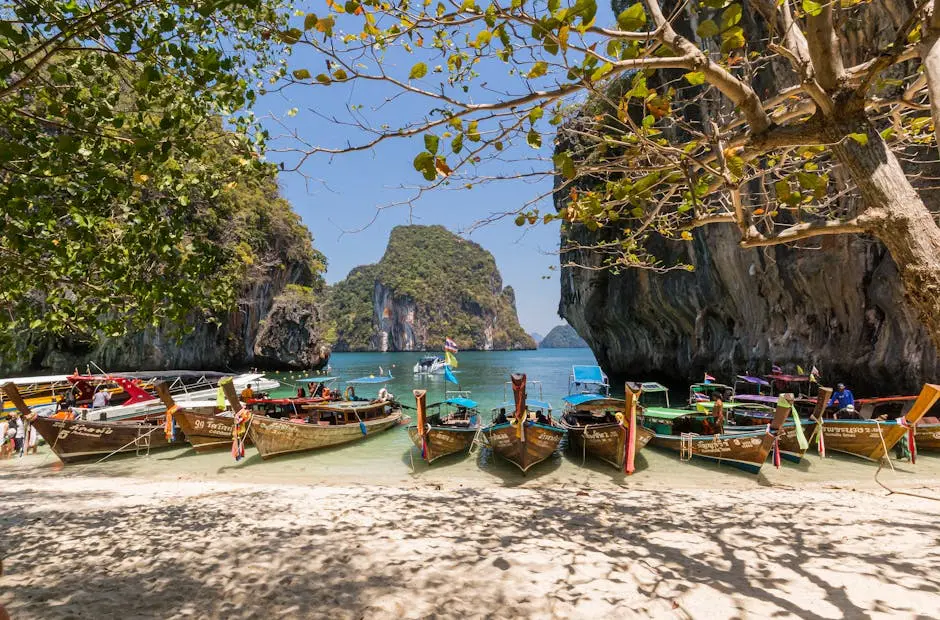
Rock climbing on the Railay and Tonsai cliffs is a global pilgrimage for the sport’s community. The limestone faces offer everything from beginner-friendly single-pitch routes to serious multi-pitch challenges, all with the Andaman Sea as the backdrop. Full-day climbing courses for complete beginners run approximately 1,800 to 2,500 THB including equipment and instruction. Book through Klook or directly with operators based on Railay.
The Four Islands tour is Krabi’s most popular group excursion, visiting Koh Poda, Koh Heang, Koh Tub, and Chicken Island in a single day. The honest insider tip: skip the group boat entirely. For 2,500 THB, hire a private longtail at sunrise and have the sandbars of Koh Tub entirely to yourself for two hours before the group boats arrive. The silence is worth every additional baht.
Thung Teao Forest Natural Park is one of Krabi’s most underrated experiences. The Emerald Pool (Sa Morakot) is a natural warm-water pool in the heart of a lowland rainforest, and the nearby Blue Pool offers a cooler, more dramatic alternative surrounded by trees. Arrive before 8am to avoid the coach tour crowds. Book transport through Get Your Guide if you do not have a scooter.
Sea kayaking through the mangroves around Ao Thalane (about 20km north of Ao Nang) is the activity that surprises people most. The estuary system winds through cathedral-like tunnels of mangrove root, and the bird life is extraordinary at dawn. Klook lists excellent half-day guided kayak tours that include transport from Ao Nang.
Nightlife and After Dark
If nightlife is a factor in your decision, the gap between Phuket and Krabi is enormous. Phuket’s Bangla Road in Patong is one of Southeast Asia’s most concentrated entertainment strips: open-air bars, live music venues, cabarets (the Phuket Simon Cabaret is genuinely spectacular), and clubs running until dawn. It is unapologetically commercial and absolutely delivers on its promise if that is what you want.
Beyond Patong, Phuket’s nightlife diversifies considerably. Phuket Old Town has a thriving craft beer and cocktail bar scene that attracts a more local, creative crowd. The Friday and Saturday evening street markets create a pleasant alternative to the beach bar circuit.
Krabi’s after-dark scene is a fundamentally different proposition. Ao Nang’s beachfront has a handful of reggae bars and fire show venues that create a relaxed, sociable atmosphere without the intensity of Patong. The vibe peaks around 10pm and winds down organically. Tonsai Beach has historically maintained a more alternative, backpacker-led evening scene among the climbing community.
If your travel group contains a mix of nightlife enthusiasts and early-rising adventurers, Phuket accommodates both more comfortably. Krabi suits those whose idea of a good evening is fresh seafood, a cold Singha, and the sound of the sea.
For Families: Where Children Thrive
Phuket wins decisively for families travelling with children under 12. The combination of paved roads, reliable transport apps, large resort kids’ clubs, and the proximity of Andamanda Phuket Water Park (one of the best in Southeast Asia, with wave pools, lazy rivers, and age-appropriate slides across its entire range) gives parents the infrastructure they need.
The Laguna complex in Bang Tao is specifically designed for multi-generational travel. Five interconnected hotels share facilities, a lagoon, and a beach, meaning grandparents and small children can exist comfortably in the same space without anyone being stranded. Kids’ clubs at properties like Angsana Laguna run supervised activities throughout the day.
Phuket also has Bangkok Hospital Phuket and Vachira Hospital, both with international patient departments and 24-hour emergency services. For families travelling with very young children or elderly members, having proper medical infrastructure within 30 minutes is a genuine comfort.
Krabi works well for families with older children and teenagers, particularly those interested in rock climbing, kayaking, or snorkelling. The logistics of longtail boats and less developed infrastructure suit older kids who can navigate them independently. Very young children and stroller-dependent toddlers will find Railay and Ao Nang’s uneven terrain more challenging than Phuket’s smooth resort pathways.
Note for the Nervous Traveller
Thailand remains one of the safest destinations in Southeast Asia, and both Phuket and Krabi are well-established, well-policed tourist provinces. The risks that do exist are predictable and largely avoidable.
The sea: The Andaman’s currents during the southwest monsoon (May to October) can be genuinely dangerous. Red flags on any beach mean stay out of the water, without exception. This is not a suggestion. Drownings occur almost exclusively among tourists who ignored posted warnings.
Transport: Use Grab or Bolt rather than negotiating with tuk-tuk drivers or accepting unsolicited taxi offers. Phuket in particular has a well-documented history of unlicensed taxi operators overcharging tourists significantly. Transparent app pricing removes the negotiation entirely.
Scooters: If you ride a scooter, wear a helmet and ensure your travel insurance explicitly covers motorcycle use. Many standard policies exclude it. SafetyWing is a good supplemental option for remote workers and long-stay travellers whose standard policies may have gaps.
The sun: SPF 50 is a minimum at this latitude. Shade between 11am and 2pm is not a suggestion for the fainthearted; it is basic sense. Heat exhaustion among tourists is common and entirely preventable.
The Tourist Police (1155) are English-speaking, available 24 hours, and genuinely helpful. Keep the number in your phone from the moment you land.
FAQ: Andaman Sea Battle
Is Phuket or Krabi cheaper?
Krabi is generally cheaper across almost every category of daily expense. The baseline cost for street food, local transport, and 3-star hotels is 20% to 30% lower in Krabi than in Phuket‘s main tourist districts. The gap narrows significantly at the luxury end: both destinations offer high-end pool villa resorts, and the premium properties in each are comparably priced. For budget and mid-range travellers, Krabi Town in particular offers exceptional value that few destinations in Southern Thailand can match.
Can I do a day trip from Phuket to Krabi?
It is possible but genuinely exhausting and not recommended if you have any flexibility. A speedboat transfer takes approximately 90 minutes one way from Rassada Pier in Phuket to Klong Jilad Pier in Krabi, costing around 700 to 1,200 THB. A land transfer via Phang Nga takes nearly 3 hours each way. By the time you factor in both journeys, you have perhaps 3 to 4 hours in Krabi before needing to return. A far better structure is to split your trip: 4 days in Phuket and 3 days in Krabi gives both destinations the time they deserve. Book the ferry transfer in advance through 12GO.
Which is better for families with young children?
Phuket is the superior choice for families with children under 12. The combination of Andamanda Phuket Water Park, the resort kids’ clubs in the Laguna complex at Bang Tao, paved roads suitable for strollers, and the proximity of Bangkok Hospital Phuket’s international emergency department gives parents the infrastructure and peace of mind that Krabi’s more rugged geography cannot easily match. Krabi works better for families with older, more independent children and teenagers who will appreciate rock climbing, kayaking, and snorkelling over structured resort activities.
When is the best time to visit Phuket and Krabi?
November to April is the peak season for both destinations, with January and February offering the calmest seas, clearest skies, and the best conditions for diving, island-hopping, and open-water boat trips. December is stunning but also the most expensive month by a significant margin; book accommodation at least 2 to 3 months ahead. May through October is the southwest monsoon season: seas can be rough, some boat services are suspended, and rain is frequent, though not necessarily constant. The upside is dramatically lower prices (sometimes 40% to 50% below peak), far fewer crowds, and genuinely lush, green landscapes that look extraordinary in photographs.
Is it safe to swim at the beaches in both destinations?
During peak season (November to April), swimming conditions at most beaches in both Phuket and Krabi are excellent, with calm, warm, clear water. During the monsoon season (May to October), conditions at exposed beaches can become genuinely dangerous. Red flags posted at any beach indicate conditions unsafe for swimming and must be respected without exception. Kata Noi in Phuket and Ao Nang in Krabi both have lifeguard coverage during peak season; Railay and more remote beaches do not. If you are unsure, ask the nearest resort or beach vendor before entering the water.
How do I get from Bangkok to Phuket or Krabi?
Both destinations are well-served by direct flights from Bangkok’s Suvarnabhumi (BKK) and Don Mueang (DMK) airports. Flight time is approximately 80 to 90 minutes. AirAsia, Nok Air, Thai Lion Air, and Thai Airways all operate this route; budget fares booked 4 to 6 weeks ahead typically run 900 to 2,500 THB one way depending on the airline and season. For Phuket, the HKT airport is well-connected and has Welcome Pickups pre-booking available for stress-free arrivals. For Krabi, KBV is smaller and quieter; Grab coverage at the airport is limited, so a pre-booked transfer or the airport minibus to Ao Nang (around 150 THB per person) is the practical option.
Can I combine Phuket and Krabi in one trip?
Absolutely, and the combination is genuinely excellent. The most popular structure is to fly into Phuket, spend 4 days there, then transfer to Krabi by speedboat for 3 days, before flying home from Krabi airport. Alternatively, reverse the order to end your trip in Phuket, which has more direct international flight options if you are heading home rather than back to Bangkok. Book the inter-destination speedboat transfer through 12GO ahead of travel, particularly if you are travelling between November and February when departures fill quickly. The journey between the two is easy enough that combining them adds negligible logistical stress.
What is the best way to get around Phuket?
Grab and Bolt are the most practical options for point-to-point transport across the island, offering transparent pricing and eliminating the negotiation that historically characterised Phuket’s taxi scene. The Smart Bus runs a loop covering most of the west coast beaches (Patong, Karon, Kata, Surin, Bang Tao) for 170 THB for a day pass, making it excellent value for beach-hopping. Scooter rental (300 to 400 THB per day) gives maximum freedom but requires confidence on busy roads; Phuket’s traffic is heavier than most Thai islands and demands respect. Tuk-tuks still operate but should only be used for short hops where you have agreed a fixed price in advance.
Is Railay Beach in Krabi worth the extra effort to reach?
Yes, definitively. Railay is what most people are imagining when they picture Krabi: towering limestone karsts meeting jade-green water, with no cars and a pace of life that feels genuinely removed from the modern world. The longtail boat from Ao Nang takes around 15 minutes and costs 100 to 150 THB per person. The most common regret among visitors to Krabi is not spending more time on Railay. Stay at least one night on the peninsula if your budget allows; the evening atmosphere after the day-trippers leave is entirely different and considerably more special.
Do I need travel insurance for Phuket and Krabi?
Travel insurance is strongly recommended for both destinations. The most important coverages to verify are: medical evacuation (Phuket has good private hospitals, but remote areas of Krabi and offshore islands do not), activity coverage (confirm that your policy explicitly includes scooter riding, rock climbing, and water sports if you plan to do any of these), and cancellation coverage for pre-booked tours and accommodation. Standard package travel insurance from UK or European providers often excludes motorcycle use; read the fine print carefully. SafetyWing is a well-regarded option for long-stay travellers and digital nomads who need continuous coverage rather than a per-trip policy.