This site contains affiliate links. We may earn a commission at no extra cost to you.
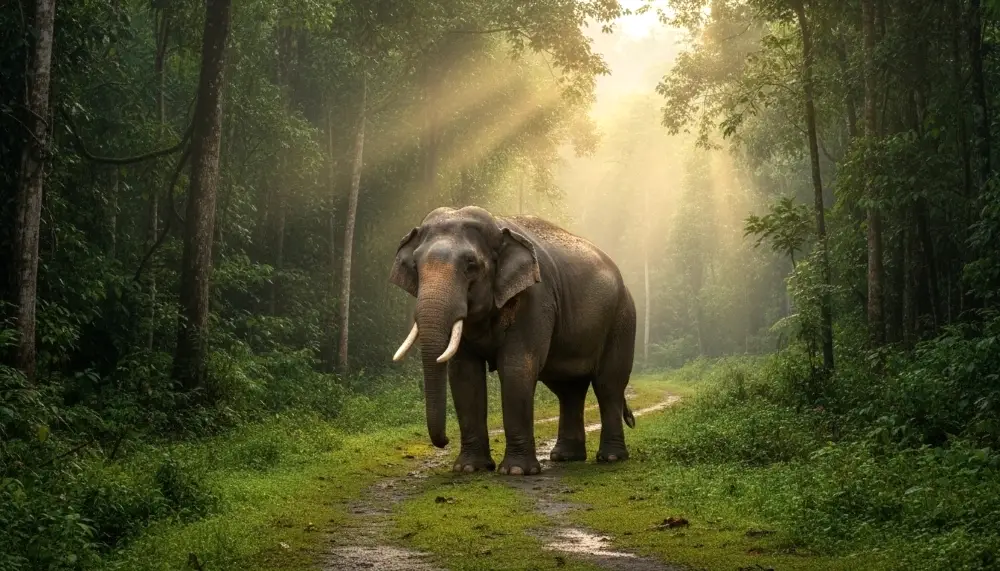
Choosing an ethical elephant encounter in Thailand is no longer about finding a place to see elephants. It is about finding a place where elephants are permitted to simply exist. The air smells of wet earth and crushed pineapple. A grandmother elephant leans slowly against a hardwood tree while a younger female tears apart a bunch of bananas six metres away, completely indifferent to the small group of visitors watching quietly from a respectful distance.
This is the reality of modern Thai elephant conservation: a steady, hard-won shift from spectacle to sanctuary. And for travellers who make the effort to find the right places, the experience of watching a rescued elephant truly at peace in a forest setting is one of the most moving things Thailand has to offer.
The Quick View:
Budget expectations range from 2,500 THB for half-day visits to 6,000 THB for full-day or overnight stays at premium sanctuaries.
Regional variance is high: Chiang Mai offers the highest density of vetted ethical havens, while Phuket and Koh Samui require considerably more scrutiny before booking.
Hands-off observation is the gold standard for ethical elephant tourism in 2026. Any venue still offering riding or performances should be avoided entirely.
Booking through official sanctuary websites or platforms like Klook and GetYourGuide ensures transparent cancellation policies and verified listings.
Group sizes at genuine sanctuaries are intentionally small, typically eight to twelve visitors maximum, to minimise stress on the animals.
Compare tours and tickets for Thailand and book instantly on your phone. Klook mobile vouchers mean no printing, just turn up and go.
A truly ethical sanctuary prioritises elephant autonomy above visitor convenience. The guiding principle is simple: the elephant’s schedule determines yours, not the other way around. You do not decide when the elephants come to you. You wait, you observe, and you follow at whatever distance the animals are comfortable with. That patience is the whole point.
Strict hands-off policies prohibit riding, performances, and increasingly, even bathing. The focus is natural foraging, social interaction between herd members, and undirected movement across wide terrain. Look for accreditation from the Global Federation of Animal Sanctuaries (GFAS) or a long-standing reputation for transparency, independent veterinary oversight, and clear anti-bullhook policies.
Key markers of a genuine ethical operation:
No riding, ever, under any framing (including “bareback” riding marketed as more natural)
No performance, tricks, painting, or shows of any kind
Mahouts use positive reinforcement only, with no hooks, chains, or fear-based control visible
Elephants are free to move away from visitors at any time without being redirected
Group sizes are small and daily visitor numbers are capped
The sanctuary publicly discloses veterinary records and rescue histories for its residents
The transition from trekking camps to observation-based tourism is the most significant shift in the Thai travel landscape over the past decade. To distinguish a genuine haven from a greenwashed attraction, watch the elephants themselves. In an ethical setting, they decide when to eat, where to walk, and with whom to socialise. Repetitive swaying, head-bobbing, or rocking movements are signs of psychological stress from years of confinement and should immediately raise concerns about an operation’s true standards.
Ethical hubs like Elephant Nature Park in Mae Taeng and BEES (Burm and Emily’s Elephant Sanctuary) in Mae Chaem operate on the principle of rescue and rehabilitation. Many of their residents have spent decades in the logging or entertainment industries. Their recovery requires space, silence, and the slow rebuilding of herd bonds that captivity severed.
GetYourGuide has Thailand’s best tours and experiences covered with verified operators and instant mobile vouchers on arrival.
The word “sanctuary” has no legal protection in Thailand. Any business can use it. The past five years have seen a proliferation of former trekking camps that have removed saddles from their elephants, added the word sanctuary to their signboards, and continued operating with the same underlying conditions. Spotting the difference before you hand over your money requires a few minutes of focused research.
Red flags to watch for on any website or booking listing:
Photos showing elephants being ridden, even without a saddle
Bathing described as a “hands-on activity” where visitors scrub or physically handle the elephants
Very low prices (under 1,500 THB) for a “sanctuary” experience, which rarely covers the actual cost of ethical care
Large group tours with no cap on visitor numbers
Reviews mentioning chained elephants, visible bullhooks, or forced interactions
No information provided about the elephants’ rescue origins or current veterinary care
A quick search on platforms like Klook and GetYourGuide is actually a useful filter here. Both platforms have tightened their listing standards for elephant experiences in recent years and have removed operations that failed independent welfare assessments. If a venue is not listed on either platform, it does not automatically mean it is unethical, but it is worth digging deeper into independent reviews on forums and travel communities before booking directly.
Cost Comparison:
Feature
Hands-Off Observation
Ethical Interaction
Commercial Trekking (Avoid)
Activity Type
Distance viewing and photography
Supervised feeding and walking
Riding and performances
Average Cost
3,000 to 5,500 THB
2,500 to 4,000 THB
1,200 to 2,000 THB
Elephant Freedom
100% Autonomy
High (Structured)
Zero (Chained/Restricted)
Group Size
4 to 10 people
8 to 15 people
20 to 50+ people
What’s Included
Lunch, transport, mahout shirt
Lunch, sometimes transport
Ride only, extras charged separately
Regional Variations:
Chiang Mai remains the global epicentre for elephant conservation, hosting the highest concentration of vetted sanctuaries anywhere in Asia. The mountainous terrain of northern Thailand, with its large tracts of forest, genuine wildlife corridors, and cooler temperatures, simply suits elephants better than coastal resort areas ever could.
Southern Thailand, specifically Phuket and Koh Samui, has seen a rise in observation-only parks in recent years, but visitors must remain vigilant against smaller, unregulated camps using sanctuary branding purely for commercial gain. The closer you are to a major tourist beach hub, the harder you need to look.
Northern Thailand: The Heartland
The North is where the ethical elephant movement began and where it remains most deeply rooted. Beyond the Old City walls of Chiang Mai, the landscape transforms into the rugged mountains and river valleys that are the natural habitat of Asian elephants.
Mae Wang District: Home to several community-based projects that transition former trekking elephants into forest-living environments, with mahouts from Karen hill tribe communities who have maintained traditional elephant bonds for generations.
Chiang Dao: Offers remote settings where tourist density is significantly lower, allowing for a more genuinely intimate observation experience without the bus queues that affect some of the more famous Chiang Mai parks.
Mae Chaem: Where BEES (Burm and Emily’s Elephant Sanctuary) operates a small, highly regarded programme with a strict cap of around six visitors per session and genuine forest roaming across a large landholding.
Mae Taeng: The home of Elephant Nature Park, arguably the most internationally recognised ethical sanctuary in Southeast Asia and the organisation that set the template for the entire movement.
Skip the airport kiosk queue in Thailand. Airalo eSIMs are pre-loaded before you fly and ready the instant you connect to the local network.
In the South, the challenge is land. The high commercial value of coastal real estate means that the large forest tracts elephants truly need for physical and psychological health are difficult to maintain economically. But genuine ethical operations have taken root, and with careful research, visitors to Phuket or Koh Samui can still have a meaningful experience.
Phuket Elephant Sanctuary has pioneered the ethical model in a region once dominated by riding camps, providing a substantial retirement home for elderly elephants on a hillside property with genuine forest cover. It operates a strict no-touching policy and caps daily visitor numbers.
What to check before booking any southern sanctuary:
Is the land large enough for the number of elephants held? A minimum of several hectares per animal is the rough benchmark
Are the elephants visible from a main road? Genuine sanctuaries have interior access only
Does the programme include an educational component about each elephant’s rescue story?
Is there a resident or regularly visiting veterinarian?
If visiting from the islands, factor in that most sanctuaries require a full day. Ferries and transfers can consume three to four hours each way from places like Koh Samui or Koh Lanta. Either base yourself on the mainland for your sanctuary day or accept that the journey is part of the experience.
What a Day at an Ethical Sanctuary Actually Looks Like:
Many visitors arrive at a reputable sanctuary expecting something vaguely similar to a zoo visit or a conventional safari, and leave surprised by how different and how much more meaningful the reality is. Understanding the typical structure of an ethical sanctuary day helps you arrive with the right mindset.
A typical full-day ethical sanctuary programme runs roughly like this:
Morning briefing (8am): An introduction to the sanctuary’s rescue histories and ethical philosophy, usually delivered by an experienced guide. This sets the tone and manages expectations about what you will and will not be doing.
Preparing the food basket (8.30am): Visitors chop and prepare fruit and vegetables that will be offered to the elephants. This is one of the most joyful parts of the day, and an opportunity to ask the mahouts questions about individual animals.
Forest walk and feeding observation (9am to 12pm): The core of the experience. You walk with the herd through natural terrain, observing foraging behaviour, social dynamics, and individual personality. The elephants set the pace. You follow.
Lunch (12pm): Typically a Thai meal included in the price, served at an open-air dining area within the sanctuary grounds.
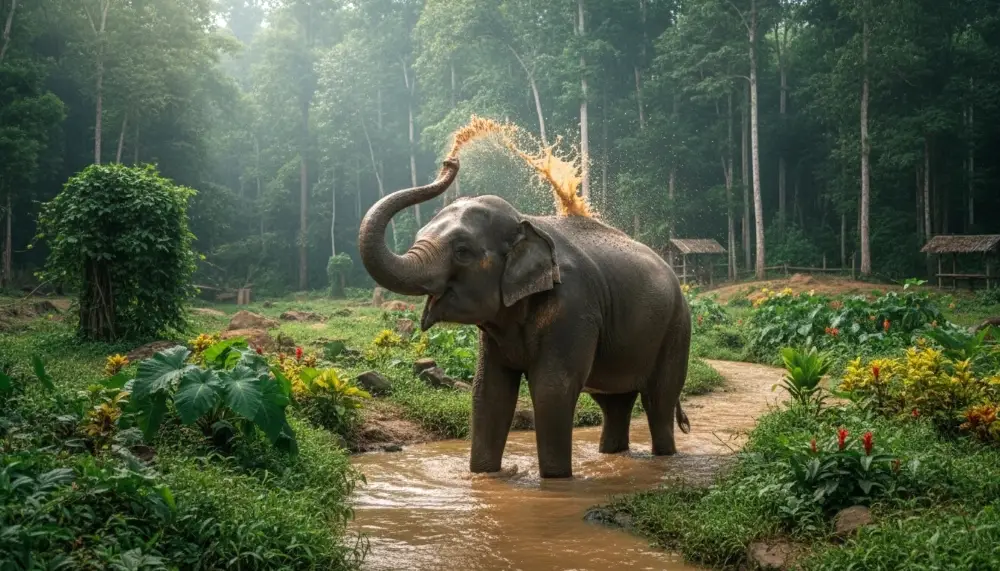
Afternoon observation (1.30pm to 3pm): A quieter period watching elephants rest, mud-bathe independently, or interact at the watering area from a raised platform or safe distance.
The experience is deliberately unhurried. Bring a long lens camera if you have one, wear comfortable walking shoes with grip, and dress in neutral colours. Bright colours and strong perfumes can unsettle the animals, and most sanctuaries will remind you of this at the briefing.
Lock in your Thailand accommodation early and beat peak-season price hikes. Agoda’s filters let you compare options side by side before you commit.
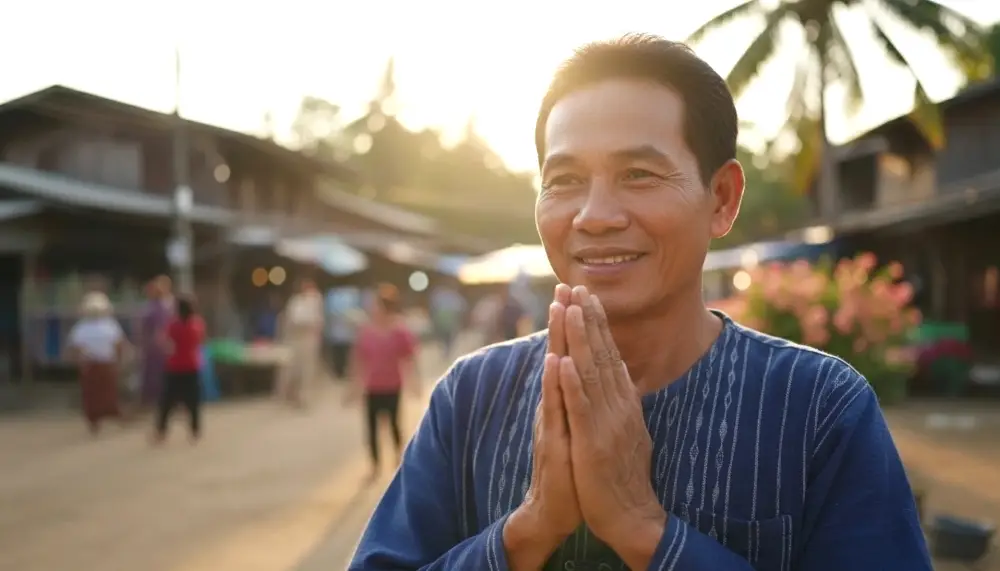
The mahout tradition is one of the most ancient human-animal relationships in Asia, stretching back at least four thousand years across India, Myanmar, and Thailand. In Karen hill tribe communities particularly, the bond between a mahout family and their elephant is generational: the same animal may be cared for by a grandfather, then his son, then his grandchildren across a working lifetime that can span sixty years.
In modern ethical sanctuaries, these caretakers are being retrained in conservation-based practices that replace fear-based control with genuine partnership. The shift is not always easy, particularly for older mahouts whose entire professional identity was built around traditional methods. The best sanctuaries invest heavily in this retraining because they understand that the mahout’s wellbeing is inseparable from the elephant’s.
When visiting, notice the quality of the relationship you observe between mahouts and elephants. Signs of a healthy bond include:
The elephant initiating contact with the mahout, approaching voluntarily rather than being driven
Calm vocal communication between the two, using learned names and gentle commands
The mahout’s body language being relaxed rather than tense or controlling
No visible restraint equipment such as ropes around legs or neck during observation periods
A tip of 100 to 200 THB for your guide or mahout at the end of the day is a genuinely appreciated gesture if the experience was exceptional. It is not expected but goes directly to the individual rather than through the operation, and for mahouts on modest wages, it makes a tangible difference.
Stay online in Thailand without breaking the budget. Saily offers flexible eSIM plans with no contract and no roaming charges going home.
For travellers with the time and budget, overnight and multi-day sanctuary programmes offer something that single-day visits cannot: the opportunity to observe elephants across the full arc of their natural daily rhythm, from the gentle early morning feeding when they are at their most active and communicative, through the quiet heat of the midday rest, to the social interactions of the late afternoon.
Several of the most respected operations in the Chiang Mai region now offer overnight programmes with accommodation on-site, typically in simple bamboo bungalows or elevated jungle lodges within walking distance of the elephant habitat. Prices for overnight stays generally range from 5,500 to 8,000 THB per person including all meals, accommodation, and full access to both evening and morning observation periods.
What overnight visitors consistently report as the most memorable element is hearing the elephants communicate after dark: the low rumbles, the sounds of branches breaking as they forage through the night, the occasional trumpet call drifting across from the forest. It is an experience that no day visit can replicate.
Book overnight sanctuary stays through Agoda or directly via the sanctuary’s own website. Many of the smaller operations in Mae Chaem and Chiang Dao do not list on major OTAs, so going directly is both more reliable and ensures your full payment reaches the conservation programme. If travelling from Bangkok, 12GO is the most straightforward way to book your overnight train or bus to Chiang Mai in advance of a sanctuary stay.
Ethical Sanctuaries for Different Types of Traveller:
Different types of visitor get different things from the elephant sanctuary experience, and matching the right type of programme to your travel style makes the difference between a profound experience and a merely pleasant one.
For budget backpackers: Half-day observation programmes at community-run sanctuaries in Mae Wang or the Chiang Dao area typically cost 2,500 to 3,000 THB including transport from Chiang Mai city. Book through Klook to compare options and get transparent pricing without hidden extras. These shorter programmes are no less meaningful than full-day visits, and many experienced travellers prefer the smaller scale.
For mid-range comfort seekers: Full-day programmes at Elephant Nature Park or similar established operations sit in the 3,500 to 5,000 THB range and include return transport from Chiang Mai, a Thai lunch, and typically a small gift shop purchase contributing directly to rescue funds. This is the sweet spot for most visitors in terms of value and depth of experience.
For families with children: Look specifically for sanctuaries that state their minimum age policy clearly. Most ethical operations require children to be at least five years old, and some specify eight or ten. The educational briefing component is genuinely excellent for older children and teenagers, and many leave more emotionally affected by the conservation narrative than their parents. Welcome Pickups can arrange comfortable family transport from Chiang Mai city to your chosen sanctuary, removing the complexity of navigating unfamiliar mountain roads with children in tow.
For affluent travellers and remote workers on long stays: Boutique overnight experiences at smaller operations offer a level of access and intimacy that larger day-tour programmes cannot match. Some sanctuaries in the Mae Chaem area accept volunteers for week-long stays for a set donation, offering the chance to work alongside mahouts during the actual daily care of the elephants, and to understand conservation at a level far beyond any single-day tour.
Cultural Etiquette:
Visiting an elephant sanctuary involves passing through rural communities, often with deeply held traditions and a strong sense of local identity. The villages surrounding many of the best sanctuaries in Chiang Mai province are Karen or Shan communities where cultural respect is genuinely noticed and appreciated.
Tipping customs: While not mandatory, a tip of 100 to 200 THB for your guide or mahout is a respectful gesture if the service was exceptional. Many mahouts at ethical sanctuaries are paid a fair and stable wage, so tipping is a bonus rather than a necessity, but it is always warmly received.
Pricing nuances: Many high-end sanctuaries include lunch and transport in their headline price. Be aware that most prices are net, but some boutique lodge accommodation within sanctuary grounds may add a “plus plus” (++), referring to the 7% VAT and 10% service charge common throughout the Thai hospitality industry. Always confirm the total cost before booking.
Dress code: Dress modestly (shoulders and knees covered) when passing through local villages en route to sanctuaries. You will also see shrines and royal portraits throughout these rural areas. Treat both with the quiet respect that Thai culture expects of all visitors.
Photography: Photographing elephants in natural settings is entirely fine. Photographing mahouts, particularly during moments of private religious practice or personal interactions, always warrants a quiet ask first. A smile and a gesture toward your camera is universally understood and almost always met with a cheerful nod.
The Bigger Picture: Why This Matters
The Asian elephant is classified as endangered. Estimates suggest fewer than 50,000 remain in the wild across all of Asia, with Thailand’s wild population sitting at around 3,000 to 3,500 individuals. Captive elephants in Thailand number a further 3,500 to 4,000, and the welfare of this captive population is directly tied to the financial choices that tourists make every day.
When visitor revenue flows toward ethical sanctuaries rather than trekking camps, it creates an economic incentive for former trekking operators to transition to conservation-based models. That transition has genuinely accelerated over the past decade, driven largely by changing visitor preferences. Your booking decision is part of that story.
Several of the sanctuaries operating in northern Thailand today were trekking camps a decade ago. Their conversion was made financially viable specifically because international visitors started choosing welfare over convenience and paying the higher prices that genuine conservation requires.
The elephant sanctuary experience is one of the rare forms of tourism where spending more genuinely does more good. The premium you pay over a conventional trekking camp price funds veterinary care, mahout retraining, land costs, and the long-term financial sustainability of operations that would otherwise struggle to survive without the revenue that rides and shows historically generated.
Pro Tips For Stress Free Travel:
Grab and Bolt: Essential for getting between Chiang Mai city and your sanctuary without overpaying. Grab is the more reliable option in northern Thailand. Always book your return ride before you go in, as signal can be limited on mountain roads.
Yesim or Saily: Activate your eSIM before landing in Thailand. Having reliable data before you reach the baggage carousel means your Grab app, maps, and sanctuary confirmation emails are all accessible the moment you need them. Many mountain sanctuary roads have limited signal, so downloading offline maps in advance is worthwhile.
Klook and Get Your Guide: Both platforms offer ethical sanctuary tours with vetted listings, transparent pricing, and flexible cancellation. Comparing the two before booking is worth doing as pricing and inclusion differences can be significant.
NordVPN: Use when booking through Agoda or 12GO on hotel or cafe Wi-Fi in Chiang Mai to protect your financial data. Essential habit for any extended stay in Thailand.
Currency (THB): Always carry a minimum of 500 THB in small notes on sanctuary days. Tips for mahouts and guides, donations at village shrines en route, and small market purchases near rural sanctuaries are almost always cash only.
Stay online in Thailand without the daily data limits of tourist SIMs. Yesim’s eSIM offers unlimited 5G from around $10 for the whole trip.
Modern veterinary consensus suggests that forced or structured bathing can be stressful for elephants and disrupts natural skin-care rituals like mud-throwing, which serve important thermoregulation and parasite-control functions. The most ethical sanctuaries have moved firmly toward observation-only bathing, where visitors watch elephants splash and self-direct their water activities from a safe distance rather than scrubbing or pouring water on them. If a programme still advertises hands-on bathing as a selling point, treat that as a yellow flag and investigate further before booking.
Why are ethical sanctuaries more expensive than trekking camps?
Maintaining a single Asian elephant costs upwards of 30,000 THB per month in food and medical care alone. A large adult male can consume up to 200kg of food daily. Ethical sanctuaries do not supplement their income with riding, performances, or high-volume tour groups, so your entry fee directly funds the elephant’s retirement, the mahout’s fair wage, veterinary bills, and the land costs required to give each animal adequate space. The price difference between an ethical sanctuary and a trekking camp is not a tourist markup. It is the actual cost of doing this properly.
Can I visit a sanctuary as a day trip from Bangkok?
While some parks exist in Kanchanaburi province, including Elephants World near the River Kwai, the most authentic, well-resourced, and expansive forest sanctuaries are in northern Thailand. A short domestic flight to Chiang Mai (CNX) takes around 70 minutes from Bangkok and costs as little as 800 to 1,500 THB when booked in advance. From Chiang Mai, the vast majority of northern sanctuaries are within a 45 to 90 minute drive. A budget airline flight and a one or two night Chiang Mai stay is by far the most rewarding way to access the best experiences.
What should I wear to an elephant sanctuary?
Wear clothes you are genuinely comfortable getting muddy and potentially torn on jungle undergrowth. Closed-toe shoes with a solid grip are essential as the terrain is typically uneven, rooted, and muddy after rain. Avoid bright colours and strong perfumes or deodorants, as these can unsettle elephants during observation periods. Most sanctuaries provide traditional mahout shirts for you to wear during the visit, which also protects your own clothing from the inevitable fruit juice and mud. Long sleeves and trousers offer the additional benefit of protecting against insect bites in the forest.
How small are the groups at ethical sanctuaries?
This is one of the most reliable indicators of genuine ethical practice. The best operations cap their daily visitor numbers at between four and twelve people per session, and often run only one or two sessions per day. Smaller groups cause less stress to the elephants, allow for a more educational and personalised experience, and signal that the sanctuary is prioritising animal welfare over revenue maximisation. If a listing advertises large group tours or does not mention a visitor cap, this is worth investigating further before booking.
Is Elephant Nature Park really the best sanctuary in Thailand?
Elephant Nature Park in Mae Taeng, Chiang Mai, is the most internationally recognised and widely reviewed ethical elephant sanctuary in Southeast Asia, and for many visitors it remains the gold standard. It was founded in the 1990s by Sangduen ‘Lek’ Chailert, whose work has received multiple international conservation awards, and it set the template that dozens of subsequent ethical operations have followed. That said, it is also the busiest of the major sanctuaries, with higher daily visitor numbers than smaller operations. Visitors seeking a more intimate experience should also consider BEES in Mae Chaem or the community programmes in Chiang Dao, which offer comparable ethical standards with significantly smaller group sizes.
What is the best time of year to visit an elephant sanctuary in Chiang Mai?
The cool season from November to February is the most comfortable time to visit, with temperatures in the Chiang Mai region dropping to a very pleasant 15 to 25°C and low humidity making long walks through forest terrain genuinely enjoyable. The hot season from March to May is intense but the elephants are often more active in the early mornings when programmes typically start. The rainy season from June to October means lush, green forest settings and mud-bathing opportunities, though mountain roads can become challenging after heavy rain. Sanctuaries operate year-round, and any time of year is a good time to visit.
Are elephant sanctuaries suitable for children?
Yes, with some age caveats. Most ethical sanctuaries specify a minimum age of five years, and some require eight or ten, particularly for programmes involving walking through uneven forest terrain. The educational briefing component is genuinely excellent for older children and teenagers, and many young visitors leave more deeply affected by the conservation narrative than their adult companions. Check each programme’s specific age and weight restrictions before booking if travelling with young children, and consider the physical demands of a full-day forest walk when assessing whether a half-day programme might suit your family better.
Can I volunteer at an elephant sanctuary rather than just visiting?
Yes, several sanctuaries in northern Thailand offer volunteer programmes ranging from one week to several months. The work typically involves preparing food, assisting with habitat maintenance, and working alongside mahouts during daily care routines. Most volunteer programmes require a minimum donation contribution that covers your accommodation, meals, and direct contribution to the sanctuary’s operating costs. Elephant Nature Park has a well-established volunteer programme, as does BEES in Mae Chaem. For remote workers or travellers on longer stays in Thailand, a week-long sanctuary volunteer experience is one of the most meaningful ways to spend time in the country.
How do I get to an elephant sanctuary from Chiang Mai city?
Most sanctuaries arrange round-trip transport from central Chiang Mai pick-up points as part of their programme price. If you are booking independently, Grab is the most reliable app-based option for hiring a vehicle for the day to reach more remote sanctuaries in Mae Chaem or Chiang Dao, where scheduled songthaew routes do not reach. Activate your Airalo, Yesim, or Saily eSIM data plan before arriving in Thailand so your Grab app is functional immediately at the airport. For the overnight train or bus from Bangkok to Chiang Mai before your sanctuary visit, 12GO is the most straightforward booking platform, and securing your seat four to six weeks in advance is recommended during peak travel periods.