Things To Do In Ayutthaya
This site contains affiliate links. We may earn a commission at no extra cost to you.
There are few places in South-East Asia that stop you mid-step the way Ayutthaya does. A headless Buddha emerging from strangler fig roots. A field of crumbling chedis catching the last gold of afternoon sun. A monk crossing a quiet courtyard in silence. This former capital of the Kingdom of Siam was, at its height in the 17th century, one of the largest and wealthiest cities on the planet. Today it is a UNESCO World Heritage Site sitting just 80 kilometres north of Bangkok, and it rewards curious travellers with an astonishing depth of things to see, do, and experience. All prices in this guide use a rate of 35 THB = $1 USD.
This is not a city that exhausts its secrets in a day trip, though many visitors try. Those who stay two or three nights discover a rhythm here that Bangkok never offers: slow mornings among the ruins, river evenings lit by lanterns, and a genuine connection to a civilisation that shaped the entire region. Whether you have an afternoon or a week, this guide covers everything worth your time.
Quick Answer: The Best Things To Do In Ayutthaya
Top Experience: Cycling the historical park at sunrise before the tour groups arrive. Bicycle hire costs 50 to 80 THB (~$1.43 to $2.30) per day.
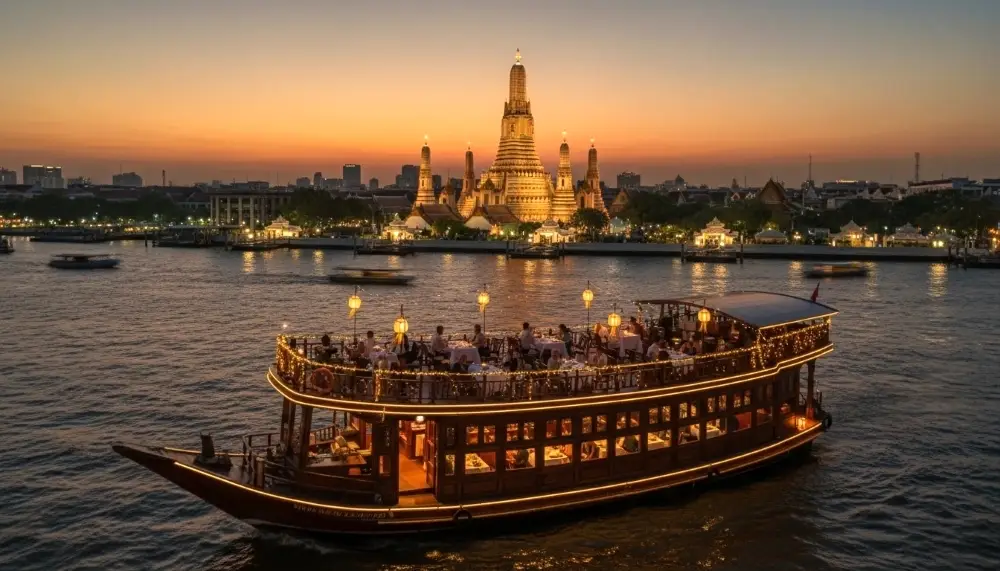
Most Atmospheric: A sunset river cruise past illuminated temple ruins on the Chao Phraya. Bookable through Klook from 600 THB (~$17.15) per person.
Best Cultural Deep-Dive: A morning almsgiving ceremony at dawn, followed by a private guided walking tour of Wat Mahathat and Wat Ratchaburana.
Best Day Trip: Bang Pa-In Royal Palace, 20 kilometres south, combining Thai, Chinese, and European architectural styles in a single extraordinary complex. Entry 100 THB (~$2.85).
Best for Families: The Ayutthaya Elephant Palace and Royal Kraal, where visitors can observe and learn about elephants in a more controlled, educational environment than jungle trekking.

From temples to island tours, Klook
covers Ayutthaya’s best experiences.
Hotel pickup is often included and
prices beat the pier walk-in rate.
Explore the Ayutthaya Historical Park
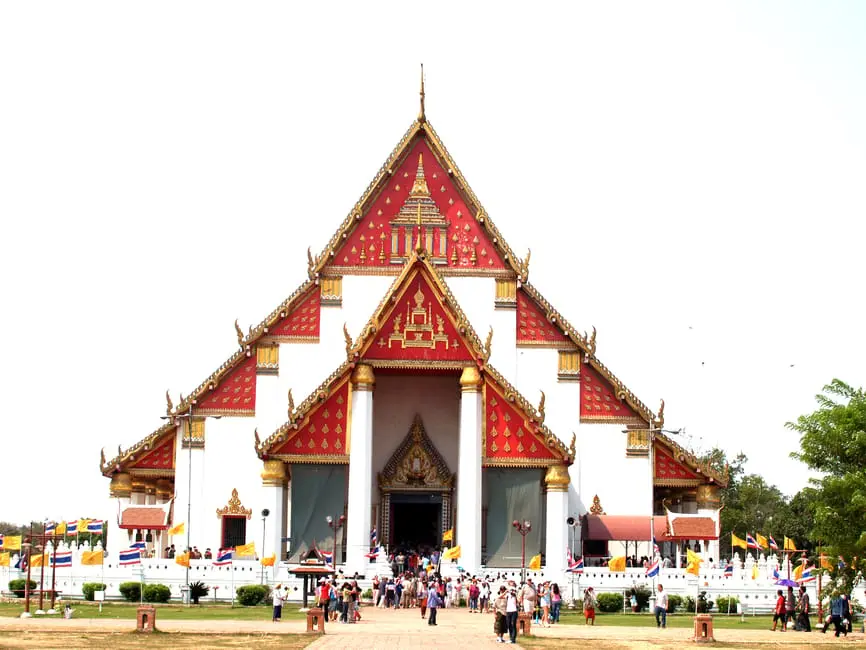
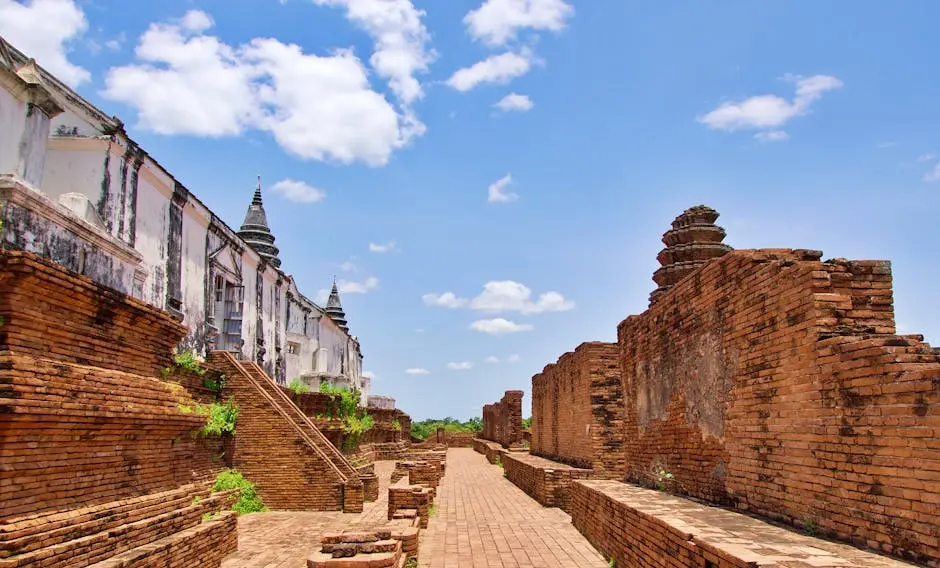
The historical park is the non-negotiable centrepiece of any Ayutthaya visit. Spread across the island formed by the confluence of three rivers, it contains the ruins of the royal palace complex, dozens of temples, and the atmospheric remnants of a city that once housed over one million people. A multi-site entrance pass covers the major ruins for just 220 THB (~$6.30), making it one of the most affordable UNESCO experiences anywhere in the world.
The three chedis of Wat Phra Si Sanphet are the visual signature of Ayutthaya and the image most associated with the city. These restored Ceylonese-style stupas once housed the ashes of three Ayutthayan kings and stood within the grounds of the royal palace. They photograph magnificently at golden hour, when the warm light turns the brick a deep terracotta. Arrive before 08:30 to have them largely to yourself.
Wat Mahathat is where the famous tree-encased Buddha head sits. A sandstone face, serenely half-smiling, has been slowly swallowed by banyan roots over centuries until only the face remains visible at ground level. It is one of the most photographed images in all of Thailand. Visitors are asked to kneel when photographing it as a mark of respect, and the site wardens enforce this quietly but firmly.
Wat Ratchaburana sits directly opposite Wat Mahathat across a wide lawn. Its central prang (tower) is climbable via a steep internal staircase, and the view from the top over the surrounding ruins is genuinely worth the effort. The crypt beneath yielded extraordinary gold artefacts when excavated in the 1950s, most of which now live in the Chao Sam Phraya National Museum.
Book a half-day guided walking tour through Get Your Guide to access a knowledgeable English-speaking guide who can unlock the historical context that solo exploration simply cannot provide. Guided tours of the park typically run 400 to 900 THB (~$11.40 to $25.70) per person, with small group departures most mornings.

Lock in top-rated Ayutthaya tours with
GetYourGuide’s free cancellation
up to 24 hours before. Reserve now
and pay later if dates aren’t set.
Cycle The Ruins At Sunrise
This is the single best thing you can do in Ayutthaya, and it costs almost nothing. Hire a bicycle from your guesthouse or a rental shop along Naresuan Road for 50 to 80 THB (~$1.43 to $2.30) per day, set an alarm for 05:30, and head out into the early morning quiet before the heat builds and the tour buses arrive.
At this hour, Ayutthaya belongs entirely to you, the monks, and the birds. Mist sits low over the moats. Chedis emerge from the haze like something from a dream. The only sounds are bicycle tyres on warm tarmac and the distant bells of a morning ceremony. No photograph fully captures it, which is precisely why you should be there in person rather than viewing it through someone else’s lens.
A suggested sunrise cycling loop takes roughly two hours at a relaxed pace and covers Wat Phra Si Sanphet, Wihan Phra Mongkhon Bophit, the outer moat path, and Wat Thammikarat (where stone lion sculptures guard the grounds alongside resident cats and chickens). From here, cycle east toward Wat Ratchaburana and Wat Mahathat as the sun fully rises, then reward yourself at one of the riverside coffee shops that open from around 07:00.
For those who prefer a guided cycling experience, Klook lists half-day bicycle tours with local guides from 400 to 700 THB (~$11.40 to $20) per person. These cover a wider circuit than most independent riders manage and include stops at lesser-known ruins that are not on the standard tourist map. Make sure your Airalo, Yesim, or Saily eSIM is active before you set off: offline Google Maps is essential for the island’s narrower lanes.
Take A Sunset River Cruise
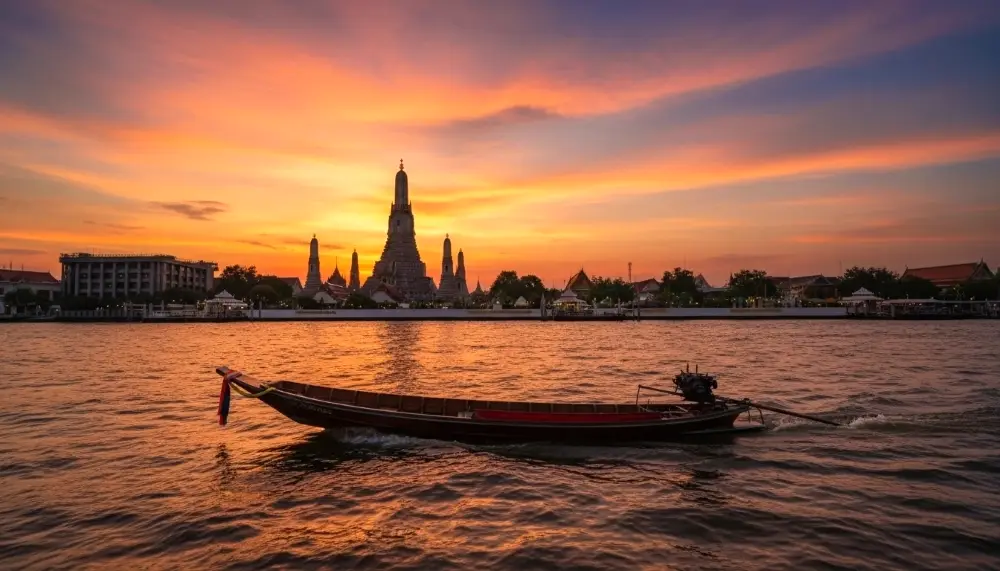
The Chao Phraya and Pa Sak rivers wrap around Ayutthaya island on all sides, and the view of the ruins from the water at dusk is one of those travel moments that stays with you for years. As the sun drops, the stone prangs and chedis catch a warm amber light that turns the entire skyline into something almost impossibly cinematic.
Sunset river cruises depart from the main pier near the tourist centre from around 17:00 and typically run for 60 to 90 minutes. Prices range from 600 to 1,200 THB (~$17.15 to $34.30) per person depending on whether the boat is shared or private. Klook lists several well-reviewed operators, and pre-booking is strongly recommended during the November to February peak season when boats fill days in advance.
For a more intimate experience, hire a private long-tail boat directly from the pier. A one-hour private charter for up to six people costs around 600 to 900 THB (~$17.15 to $25.70) for the whole boat and allows you to set the pace, linger at specific viewpoints, and ask the driver to cut the engine in the quieter channels where the reflection of the ruins on still water is utterly serene.
Evening cruises sometimes include a stop at Wat Phanan Choeng, an active Chinese-Thai temple housing one of the largest and most venerated sitting Buddhas in Thailand. The golden image sits at 19 metres tall inside the main hall and is particularly atmospheric when visited by candlelight during evening prayers. Entry is 20 THB (~$0.57) and the short river crossing from the island costs 10 THB (~$0.29) per person.

Pick a Ayutthaya eSIM plan that matches
your trip length on Airalo’s global
marketplace. Install before departure
and you’re online the moment you land.
Ayutthaya Experiences: At A Glance
| Experience | Best Time | Cost (THB) | Cost (USD) | Book Via |
|---|---|---|---|---|
| Cycling the Historical Park | Sunrise (05:30 to 08:00) | 50 to 300 THB | ~$1.43 to $8.55 | Guesthouse hire / Klook |
| Sunset River Cruise | 17:00 to 19:00 | 600 to 1,200 THB | ~$17 to $34 | Klook / pier direct |
| Guided Temple Walking Tour | Morning (07:00 to 11:00) | 400 to 900 THB | ~$11 to $26 | Get Your Guide |
| Thai Cooking Class | Morning or Afternoon | 800 to 1,500 THB | ~$23 to $43 | Klook / Get Your Guide |
| Bang Pa-In Royal Palace | Full Day | 100 to 400 THB | ~$2.85 to $11 | Minivan or Klook transfer |
| Wat Phanan Choeng | Late Afternoon | 20 THB entry | ~$0.57 | Ferry from island |
| Chao Sam Phraya Museum | Midday (escape the heat) | 150 THB | ~$4.30 | Walk-in |
| Night Market and Street Food | 17:00 onwards | 40 to 150 THB per dish | ~$1.15 to $4.30 | Walk-in |
Visit Bang Pa-In Royal Palace
Twenty kilometres south of Ayutthaya sits one of Thailand’s most visually extraordinary royal complexes. Bang Pa-In was the summer palace of Ayutthayan kings in the 17th century and was lavishly expanded by King Chulalongkorn (Rama V) in the 19th century to incorporate an extraordinary mix of Chinese pavilions, Italian-style European mansions, Thai throne halls, and a Swiss-chalet-style clocktower, all arranged around a central ornamental lake.
The result is architecturally surreal and genuinely fascinating: a Thai king who modernised his country by travelling to Europe brought back European aesthetics and blended them seamlessly with traditional Siamese grandeur. Entry costs 100 THB (~$2.85) and the grounds open from 08:00 to 17:00 daily.
Getting there is straightforward. Minivans from Ayutthaya’s Chao Phrom market area depart regularly and cost 20 to 30 THB (~$0.57 to $0.86) each way. Alternatively, a private tuk-tuk return trip costs around 300 to 500 THB (~$8.55 to $14.30) and gives you flexibility over timing. Klook and Get Your Guide both list day tours that combine Bang Pa-In with the historical park and include transport from Bangkok or Ayutthaya directly, which is worth considering if you are arriving from the capital without your own base of operations.
Learn To Cook Thai Food
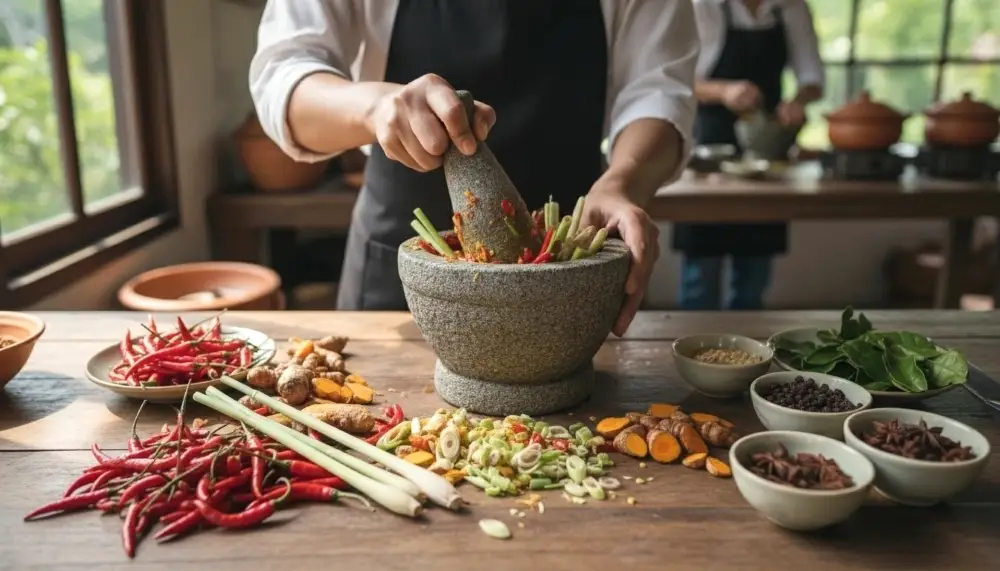
Ayutthaya’s culinary identity is distinct from Bangkok’s. This is the heartland of central Thai cooking: richer curries, generous use of coconut cream, and dishes like Kaeng Massaman (the slow-cooked Muslim-influenced curry with Portuguese and Persian roots that entered Thailand through the Ayutthayan court) that carry genuine historical weight.
A half-day cooking class here typically begins with a guided walk through a local fresh market where the instructor explains each ingredient, its name in Thai, and its role in the dish. You then cook three to five dishes from scratch in a home kitchen or purpose-built open-air teaching kitchen. Classes run from 800 to 1,500 THB (~$22.85 to $42.85) per person and include all ingredients, a recipe booklet to take home, and usually a shared meal of everything you have cooked together.
Klook and Get Your Guide list verified operators with English-language instruction and strong consistent reviews. Book at least 48 hours ahead as class sizes are small (typically six to ten people) and fill quickly during peak season. Morning classes starting around 08:30 are preferable in the hot months, as the market visit is cooler and the cooking session finishes before midday heat peaks.

Affordable Ayutthaya data without the
tourist SIM hassle. Saily’s eSIM
works on most modern phones and
tops up remotely whenever needed.
Discover The Outer Island Temples
Some of Ayutthaya’s most rewarding temples sit outside the island entirely, across the rivers, and require a short boat crossing to reach. These tend to see far fewer visitors than the main historical park and offer a more contemplative experience.
Wat Phanan Choeng is the most important of these outer temples. Founded in 1324, fourteen years before the Kingdom of Ayutthaya was formally established, it predates the city itself. The principal Buddha image, called Luang Pho To, sits at 19 metres in height and is covered in gold leaf applied by generations of devotees. The atmosphere inside the main hall during late afternoon prayers is genuinely moving. The river crossing from the island’s south bank costs 10 THB (~$0.29) per person and runs constantly throughout the day.
Wat Yai Chai Mongkhon, south-east of the island, is another essential stop. Its enormous reclining Buddha and the towering central prang are surrounded by rows of seated Buddha images in yellow robes that create one of the most distinctively photogenic scenes in all of Ayutthaya. Entry costs 20 THB (~$0.57) and a tuk-tuk from the main pier runs around 80 to 120 THB (~$2.30 to $3.43) one way.
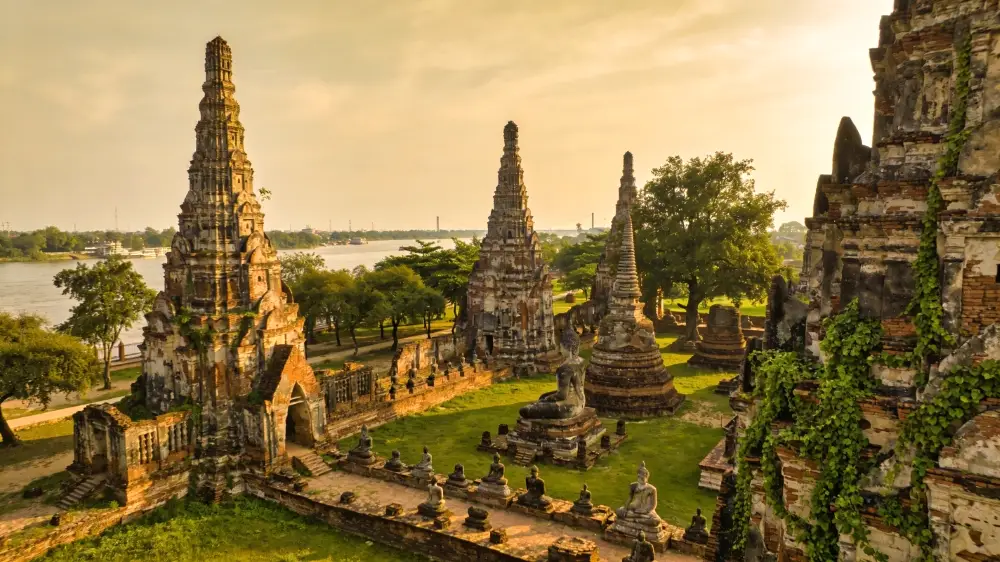
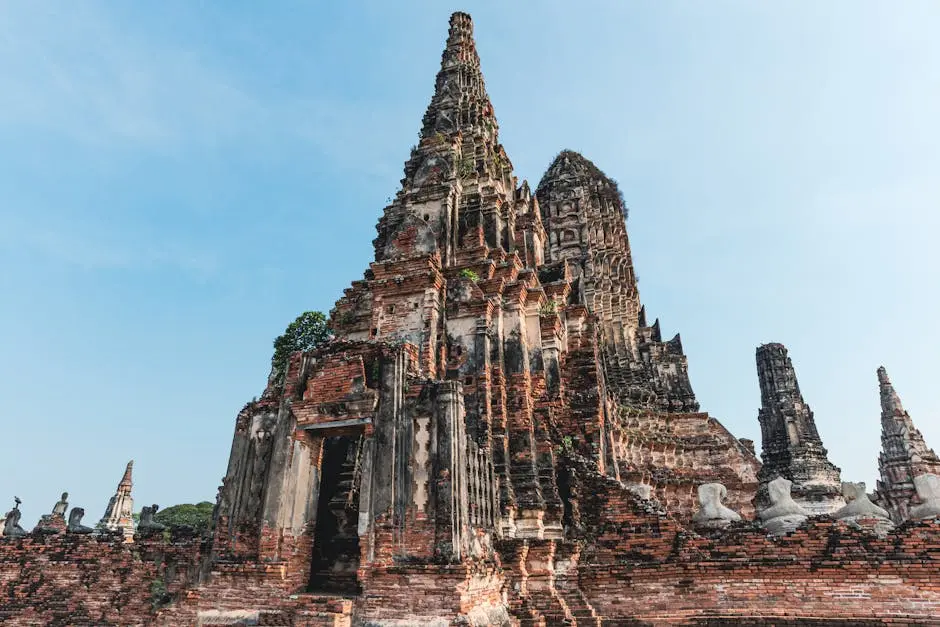
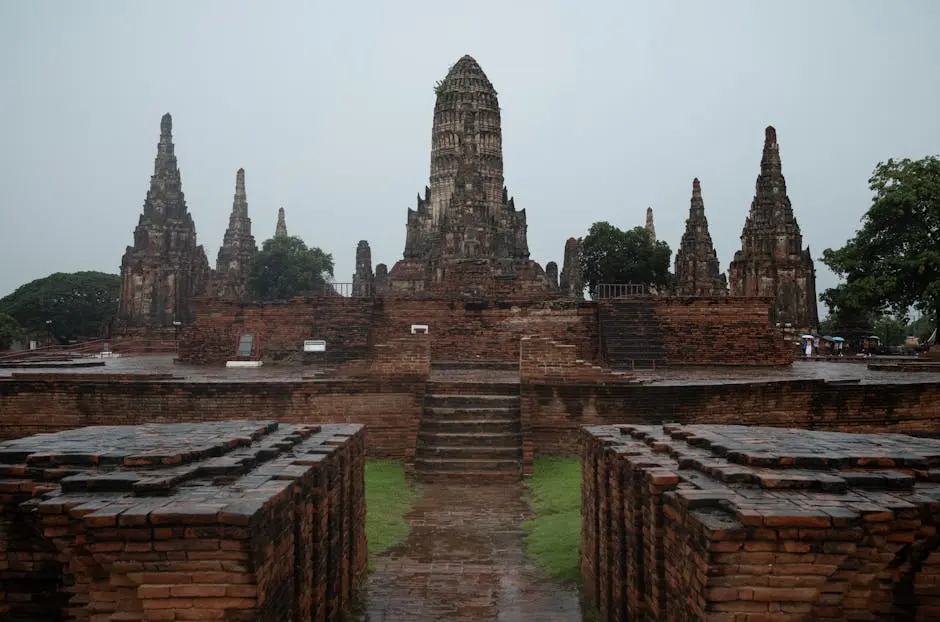
Wat Chaiwatthanaram, on the west bank of the Chao Phraya, is arguably the most architecturally complete of all Ayutthaya’s temple complexes. Built in 1630 by King Prasat Thong, the Khmer-inspired central prang surrounded by eight smaller chedis creates a mandala-like layout that rewards slow exploration. It is particularly spectacular at sunset. Entry is 50 THB (~$1.43) and a tuk-tuk from the island costs 150 to 200 THB (~$4.30 to $5.70) one way.

Compare hotel prices across Ayutthaya’s
best areas and book with confidence.
Filter by budget, location, or score
to find the right stay for your trip.
Visit The Chao Sam Phraya National Museum
The Chao Sam Phraya National Museum is an excellent use of two hours and pairs naturally with time at the outdoor ruins. Entry costs 150 THB (~$4.30) and the collection spans religious art, royal regalia, and everyday objects from the Ayutthayan period.
The highlight is the extraordinary collection of gold artefacts recovered from the crypts of Wat Ratchaburana and Wat Mahathat in the 1950s and 1970s. Gold Buddha images, jewelled crowns, royal swords, and ceremonial vessels display a level of craftsmanship that explains why 17th-century European travellers consistently described Ayutthaya as the most magnificent city they had ever seen. The crypt discoveries are made more remarkable by the fact that looters had already stripped the temples once before the formal excavations began.
The museum is centrally located on Rotchana Road and opens Tuesday to Sunday from 09:00 to 16:00. It provides a welcome air-conditioned escape during the midday heat between 11:00 and 14:00 when cycling the exposed ruins becomes genuinely uncomfortable. Plan your day around it: temples in the early morning, museum at midday, more temples (and the outer island sites) in the late afternoon.
Eat Your Way Through Ayutthaya
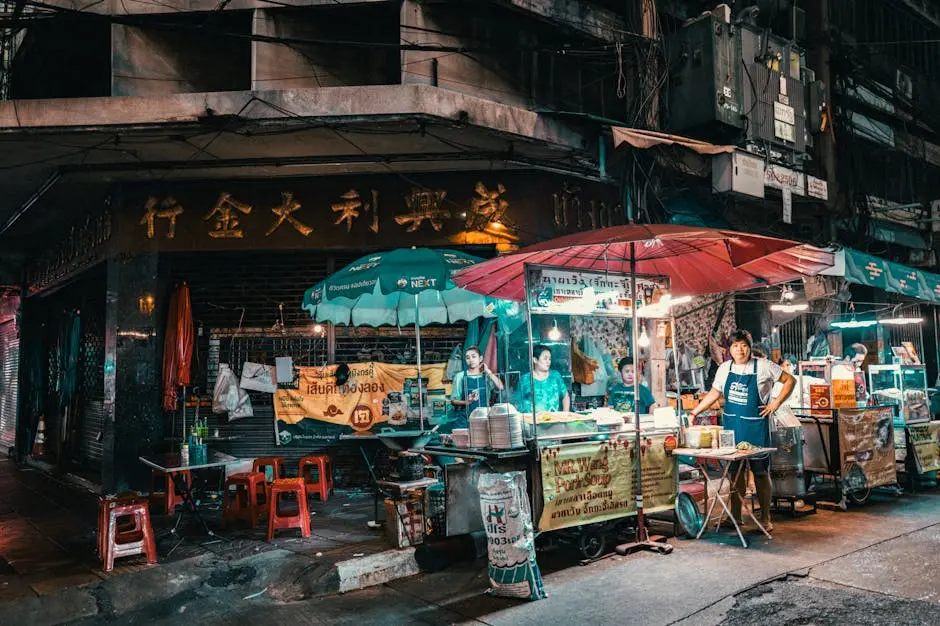
Ayutthaya punches considerably above its weight as a food destination. The city has its own distinctive dishes that you will not find replicated quite the same way in Bangkok, and the street food scene around the Chao Phrom market and the evening floating market near the river is genuinely excellent.
Roti Sai Mai is the dish most associated with Ayutthaya. Delicate hand-spun cotton candy threads (sai mai) are wrapped in soft roti flatbread and eaten as a snack. Street vendors near the main market sell portions for 10 to 20 THB (~$0.29 to $0.57) and the making of the coloured sugar threads is an art form in itself, worth watching for a few minutes before buying.
Kaeng Massaman, the rich slow-cooked curry with potatoes, peanuts, and warming spices, is another local staple. Order it with jasmine rice at a riverside restaurant for 80 to 150 THB (~$2.30 to $4.30) per portion. Several restaurants along the east bank of the Chao Phraya serve it with ruin views included in the price of the meal.
The evening floating market near the old city pier (open Thursday to Sunday from 17:00 to 21:00) brings together local food vendors, live traditional music, and river views in a relaxed setting. A full meal of grilled river prawns, pad thai, and a fresh coconut costs around 150 to 250 THB (~$4.30 to $7.15) per person. Arrive before 18:00 to beat the queue for the most popular stalls.
Watch The Almsgiving Ceremony At Dawn
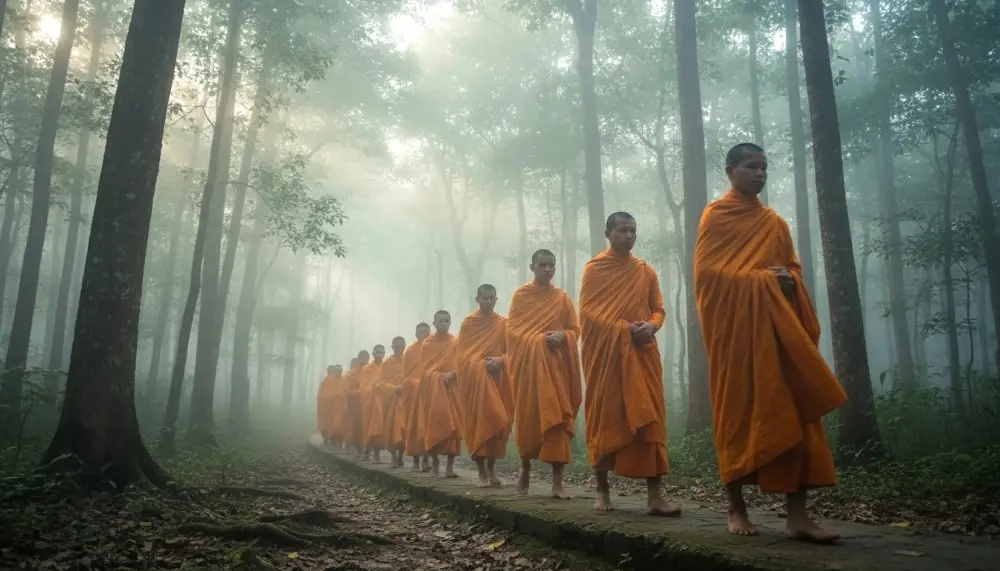
Each morning before 06:30, monks from the city’s active wats file out in saffron robes to receive food offerings from local residents in the tak bat ceremony. In Ayutthaya, this occurs not just in tourist zones but throughout quiet residential lanes where the ceremony retains its genuine devotional character.
If you wish to observe, do so at a respectful distance and in silence. Dress modestly: shoulders and knees covered as a minimum. Do not attempt to photograph monks up close or use flash. The ceremony is not a performance for visitors. It is a living religious practice and the monks are engaged in something that matters deeply to the communities around them.
Your guesthouse owner can point you toward the quieter lanes where the ceremony happens organically rather than the more staged versions sometimes arranged near major tourist temples. This early morning start also positions you perfectly for the sunrise bicycle loop immediately afterward, making the first three hours of the day in Ayutthaya among the richest you will spend anywhere in Thailand.
Elephant Experiences: What To Know
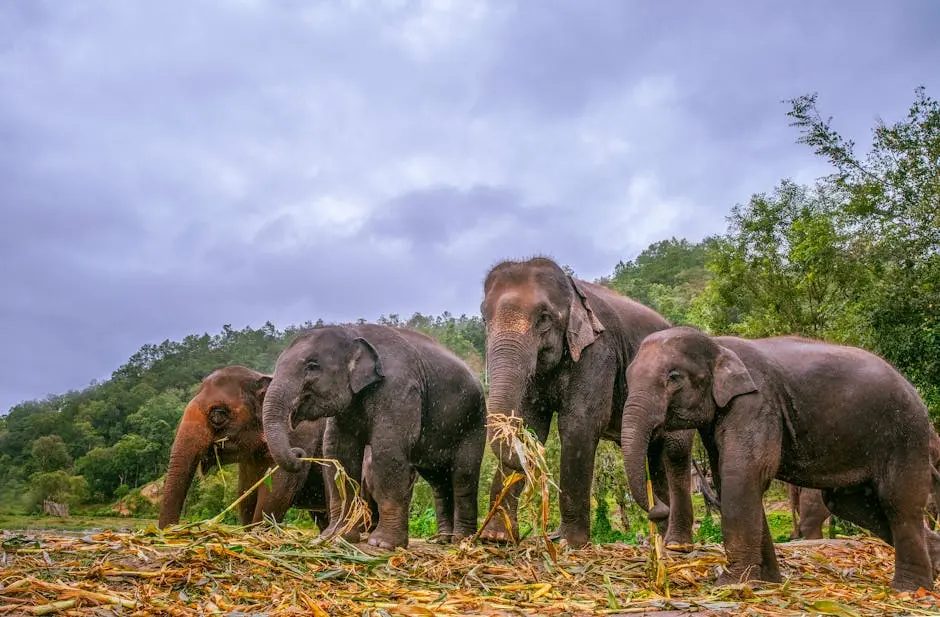
Elephants are historically inseparable from Ayutthaya. War elephants formed the backbone of Siamese armies, royal ceremonies involved elaborately decorated royal elephants, and the city’s founding myths are closely tied to these animals. Engaging with them here carries genuine cultural meaning rather than being purely a tourist novelty.
That said, the ethics of elephant tourism require careful navigation. Riding on bare-back in a structured sanctuary setting is considered by many welfare organisations to be significantly less harmful than riding in seats (howdahs), which put significant strain on the animals’ spines. The most responsible option remains observation-only: watching elephants bathe, feeding them under supervision, and learning about their care and history from trained mahouts.
The Ayutthaya Elephant Palace and Royal Kraal offers a structured environment with trained staff and an educational component. Entry and a basic interaction package runs from 500 to 1,500 THB (~$14.30 to $42.85) depending on the experience level chosen. Get Your Guide lists elephant experience day tours from Bangkok and Ayutthaya that include round-trip transport and a vetted ethical operator, which is the most practical route for day visitors who want to avoid transport logistics.
If you are travelling with children, verify the minimum age requirements with your operator in advance. Most ethical sanctuaries set a minimum of five or six years old for feeding interactions and do not permit very young children near the animals unsupervised.
The Loy Krathong Festival: Plan Around It
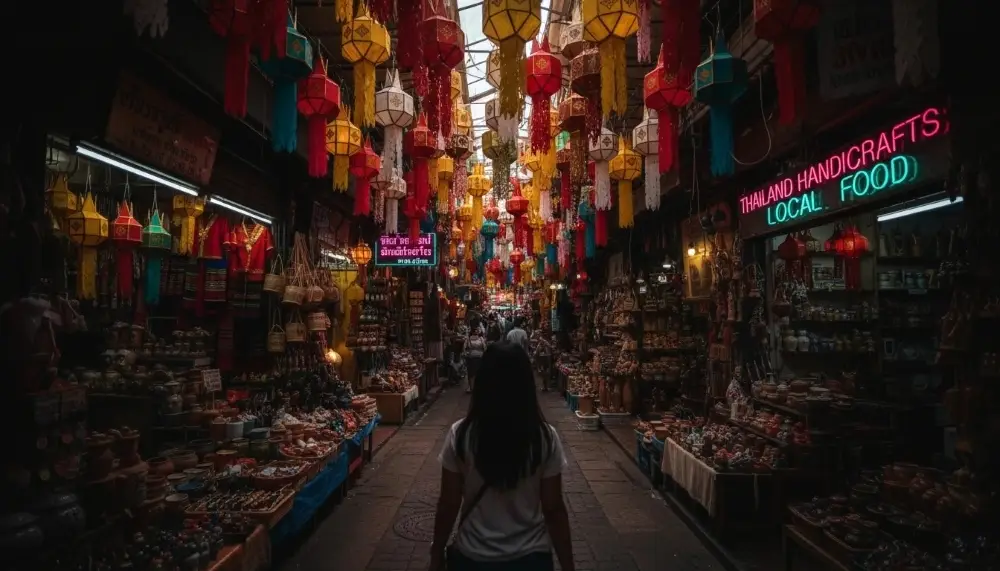
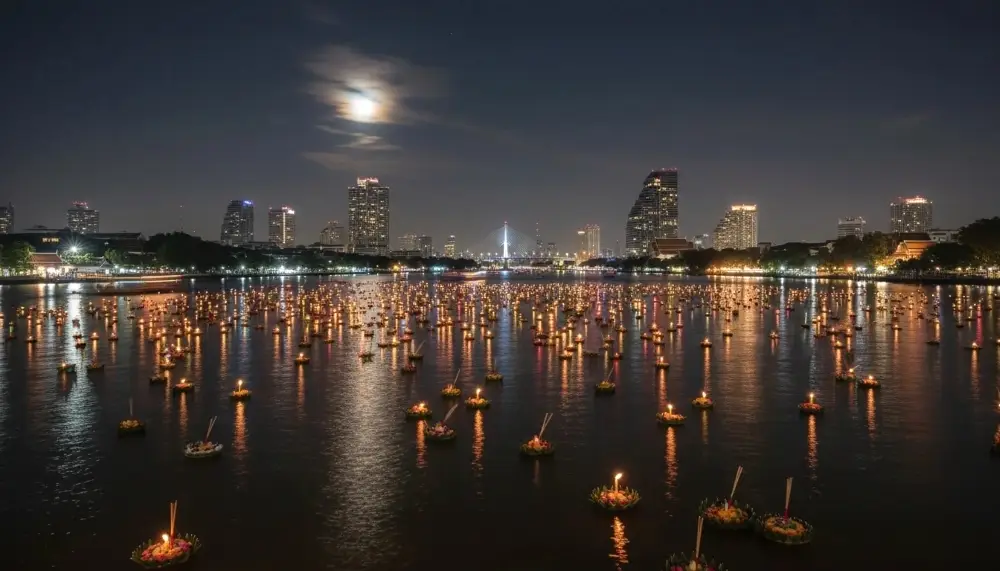
If your dates are flexible, plan your Ayutthaya visit around Loy Krathong, which falls on the full moon of the twelfth lunar month (typically November). No destination in Thailand celebrates this festival quite like Ayutthaya, where thousands of flower-and-candle krathongs (floats) are released onto the rivers surrounding the island as sky lanterns rise above the illuminated ruins.
The combination of candlelit floats drifting past ancient temple spires, glowing sky lanterns ascending into the dark above the Chao Phraya, and the smell of jasmine and incense across the island creates an atmosphere that defies any adequate description. It is one of those travel experiences that genuinely shifts something in the people who witness it.
Practical notes: book accommodation on Agoda or Booking.com at least six weeks ahead for Loy Krathong, as every room in the city fills completely. Transport into the city is chaotic on the festival night itself, and Welcome Pickups or a pre-booked private transfer from Bangkok is the sanest option if you are arriving that day. Expect entrance prices to some illuminated ruin events to carry a small additional fee of 50 to 200 THB (~$1.43 to $5.70) during the festival period.
Practical Tips For Getting The Most Out Of Ayutthaya
Dress Code: Every active temple requires shoulders and knees to be covered. This applies to all genders. Carry a lightweight scarf or sarong and you will never be turned away at a gate. Many sites sell or rent sarongs for 20 THB (~$0.57) if you forget.
Heat Management: From March to May, midday temperatures on the exposed ruins regularly exceed 38°C. Structure your day around the heat: temples before 09:30, shade and museums from 11:00 to 14:00, temples again from 15:30 onward. Carry two litres of water minimum and refill at any convenience store for 10 to 15 THB (~$0.29 to $0.43).
Connectivity: Activate your Airalo, Yesim, or Saily eSIM before departing Bangkok. Offline maps are essential for navigating the island’s smaller lanes, and Grab requires a live data connection to confirm bookings. A local AIS SIM at the station kiosk costs around 299 THB (~$8.55) for 30 days of data if you prefer a physical SIM. If you are working remotely from a guesthouse or cafe, use NordVPN on shared wi-fi networks.
Transport Between Cities: Book your onward train to Chiang Mai, Lopburi, or Bangkok return through 12GO, particularly around Thai national holidays when seats sell out days in advance. The station in Ayutthaya is small but well-connected and the journey north to Chiang Mai via sleeper train remains one of the great rail experiences in South-East Asia.
Safety and Health: Ayutthaya is a very safe destination. The primary hazards are heat exhaustion and sunburn. For families, long-stay travellers, or remote workers, SafetyWing provides rolling travel health and emergency coverage from approximately $1.50 per day. The nearest major private hospital with English-speaking staff is in Bangkok, roughly 75 kilometres south. If a delayed flight disrupted your journey to reach Thailand, check your compensation eligibility with AirHelp before returning home.

Skip the airport SIM queue in Ayutthaya.
Yesim’s eSIM activates before takeoff
so you’re online the second your
plane touches the tarmac.
Ayutthaya As Part Of Your Thailand Journey
Ayutthaya sits at the natural midpoint of Thailand’s most popular northern route. Most travellers combine it with Bangkok to the south and Chiang Mai to the north, creating an itinerary that moves from modern urban energy through ancient history into northern mountain culture before finishing on the beaches of the south.
From Bangkok, the day-trip option is real but limiting. Two nights in Ayutthaya is the sweet spot for most travellers: enough time to do the historical park properly, take a river cruise, visit an outer temple, eat well, and still feel unhurried. Three nights allows Bang Pa-In, a cooking class, and the slower pleasures of morning coffee by the river with nowhere particular to be.
Northward, the overnight train to Chiang Mai departs Ayutthaya station in the early evening and arrives the following morning. Sleeper berths in second class cost 500 to 800 THB (~$14.30 to $22.85) and the journey is one of the most enjoyable ways to cover distance in Thailand. Book via 12GO well in advance during the December and January high season. From Chiang Mai the options expand: mountain temples, ethical elephant sanctuaries, cooking schools, and eventually connections to Pai, Chiang Rai, and beyond.
Frequently Asked Questions
How many days do I need to see Ayutthaya properly?
Two nights and three days is the sweet spot for most travellers. Day one covers the main historical park ruins and the museum. Day two adds the outer island temples, a river cruise, and the evening market. A third day allows Bang Pa-In, a cooking class, or simply a slow morning with nothing scheduled. Day-trippers from Bangkok see the highlights but miss the atmosphere almost entirely.
Is Ayutthaya worth visiting as a day trip from Bangkok?
It is possible but limits the experience significantly. A day trip gives you roughly four to five hours at the ruins after transit time, which covers the main historical park and perhaps one outer temple. Staying overnight means you get sunrise over the ruins, illuminated temples at dusk, and a river cruise, experiences that most day visitors simply cannot access.
What is the best way to get around Ayutthaya?
Bicycles are the best option for the island and historical park at 50 to 80 THB (~$1.43 to $2.30) per day. Tuk-tuks cover longer distances at 200 to 400 THB (~$5.70 to $11.40) per hour. Short river crossings to outer temples cost 10 THB (~$0.29) per person by local ferry. Grab operates in the city but with limited driver availability. Activate your eSIM data plan before arriving so navigation and Grab work immediately.
What is the entry fee for the Ayutthaya Historical Park?
Individual temples charge 50 THB (~$1.43) per site. A combined multi-site pass covering the major ruins costs 220 THB (~$6.30) and represents excellent value if you are visiting more than four sites. Wat Phanan Choeng and Wat Yai Chai Mongkhon charge 20 THB (~$0.57) separately. The Chao Sam Phraya National Museum charges 150 THB (~$4.30).
When is the best time of day to visit the temples?
Before 09:00 for sunrise atmosphere and cool temperatures. From 15:30 onward for late afternoon golden light and fewer crowds. Avoid 11:00 to 14:00 in the hot season (March to May) when the exposed stonework becomes extremely uncomfortable. The museum and riverside cafes are the best midday options.
What is Roti Sai Mai and where do I find it?
Roti Sai Mai is Ayutthaya’s most distinctive local snack: hand-spun pastel-coloured cotton candy threads (sai mai) wrapped in a soft roti flatbread. Vendors near the Chao Phrom market and the main evening market sell portions for 10 to 20 THB (~$0.29 to $0.57). Watching the sugar threads being spun is worth a few minutes of your time before you taste them.
How do I book a river cruise in Ayutthaya?
Klook lists several well-reviewed sunset river cruise operators with pre-bookable tickets from 600 to 1,200 THB (~$17 to $34) per person. Alternatively, hire a private long-tail boat directly from the main pier for 600 to 900 THB (~$17 to $26) for the whole boat for up to six people. Pre-booking is strongly recommended from November to February when boats fill days in advance.
Is Bang Pa-In Royal Palace worth visiting?
Yes, particularly for architecture lovers and those with children who find temple ruins harder to engage with. The contrast of Thai, Chinese, and European styles within a single royal compound is genuinely extraordinary and the grounds are beautifully maintained. Entry is 100 THB (~$2.85) and it is most easily reached by minivan (20 to 30 THB / ~$0.57 to $0.86 each way) or private tuk-tuk (300 to 500 THB / ~$8.55 to $14.30 return).
What should I wear when visiting temples in Ayutthaya?
Shoulders and knees must be covered at all temple sites. Lightweight long trousers and a short-sleeved shirt with a scarf for the shoulders works well in the heat. Many sites rent or sell sarongs for 20 THB (~$0.57) at the entrance if you arrive underdressed. Remove shoes before entering any temple building and carry them with you rather than leaving them outside.
Can I visit Ayutthaya independently or do I need a guide?
Both approaches work well. Independent visitors with a bicycle and offline Google Maps can cover all the major sites comfortably. A guided walking or cycling tour (400 to 900 THB / ~$11 to $26 per person via Get Your Guide) adds significant historical depth and reveals details that signage alone cannot communicate. The best approach is one guided session for the main historical park combined with independent exploration of the outer island temples.