Things To Do In Nong Khai
This site contains affiliate links. We may earn a commission at no extra cost to you.
Nong Khai rewards the traveller who slows down. This quiet town on the northern bank of the Mekong, facing Laos across the water, holds more genuine surprises per square kilometre than almost anywhere else in Thailand. From one of the most bizarre sculpture parks on earth to a festival where fireballs rise silently from the river, the experiences here are singular and largely crowd-free. All prices in this guide use a rate of 35 THB = $1 USD.
The good news is that Nong Khai is easy and inexpensive to explore. Most attractions are reachable by bicycle, tuk-tuk, or a short Grab ride, and the town’s compact riverside layout means a well-planned day covers a remarkable amount of ground without ever feeling rushed.
Quick Answer: The Best Things To Do In Nong Khai
Top Cultural Experience: Sala Kaew Ku Sculpture Park (surreal, unmissable, unlike anything in Thailand). Entry around 20 THB (~$0.57).
Top Temple Visit: Wat Pho Chai (Nong Khai’s holiest temple, extraordinary murals, deeply sacred Buddha image). Free entry.
Top Market Experience: Tha Sadet Market and the Saturday Night Market (riverside setting, local food from 40 THB/~$1.15, live music, genuine community atmosphere).
Top Day Trip: Vientiane, Laos via the Thai-Laos Friendship Bridge (colonial architecture, Buddha Park, river cafes). Book with Get Your Guide or Klook for fixed-price guided options.
Top Annual Event: The Naga Fireball Festival (October, Phon Phisai). Fireballs rise silently from the Mekong at the end of Buddhist Lent. Free to witness. Book accommodation months in advance via Agoda.

Skip the planning headache in Nong Khai.
Klook offers day tours, tickets, and
experiences from around $25, with
instant confirmation to your phone.
1. Sala Kaew Ku Sculpture Park: Thailand’s Most Extraordinary Sight
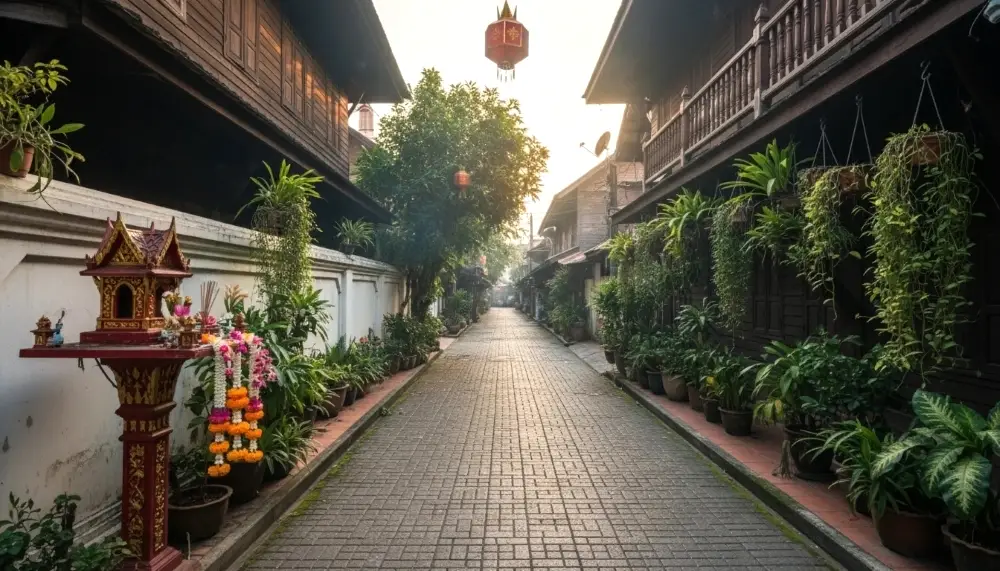
Nothing quite prepares you for Sala Kaew Ku. Around four kilometres east of the town centre, this outdoor sculpture park was built over two decades by Luang Pu Boun Leua Sourirat, a self-taught mystic shaman who fled Laos when the communists took power in 1975 and continued his extraordinary work on the Thai side of the Mekong. The result is a sprawling, dreamlike complex of concrete statues depicting Buddhist and Hindu mythology, some rising to 25 metres high.
The most iconic image is of the Buddha seated beneath a seven-headed Naga serpent, surrounded by a cast of gods, demons, and mythological scenes that feel simultaneously ancient and completely deranged in the best possible way. Luang Pu’s mummified body is preserved inside the park. Entry costs around 20 THB (~$0.57) per person.
To get there: a chartered tuk-tuk from Rimkhong Road costs around 200 to 300 THB (~$5.70 to $8.55) return with a waiting hour included. By bicycle from Mut Mee, the scenic route takes around 30 minutes each way. Open daily, approximately 08:00 to 18:00. Book a guided Sala Kaew Ku tour including transport through Klook for a hassle-free experience.

Lock in top-rated Nong Khai tours with
GetYourGuide’s free cancellation
up to 24 hours before. Reserve now
and pay later if dates aren’t set.
2. Wat Pho Chai: The Soul of the Town
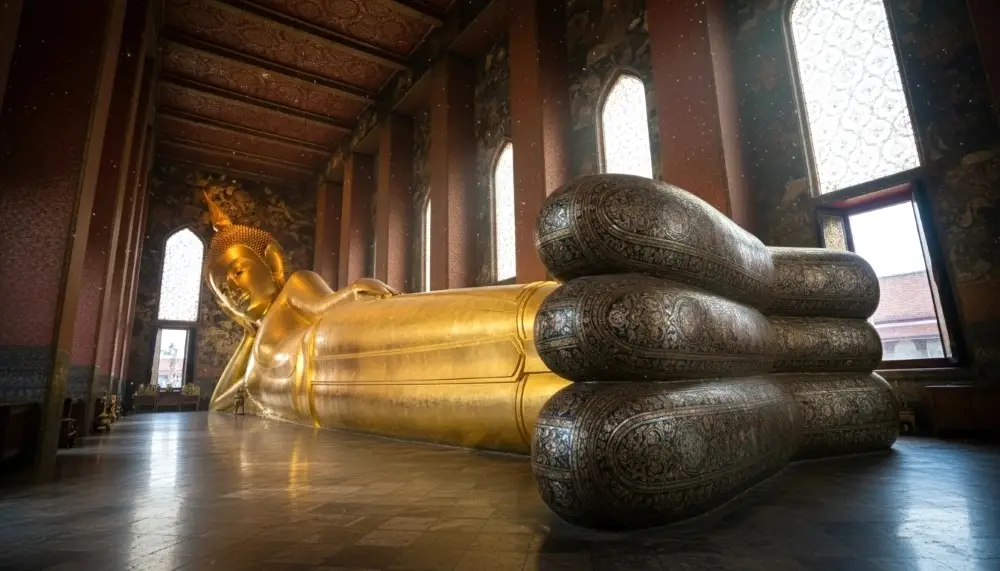
Nong Khai’s most revered temple sits in the centre of town and houses Luang Pho Phra Sai, a sacred Lan Xang-era Buddha image covered in gold, bronze, and precious stones. The legend attached to this statue is compelling: it was one of three Buddha images being transported across the Mekong from Laos when the raft overturned. The other two were recovered but Luang Pho Phra Sai sank to the riverbed, reappearing miraculously some years later at this very spot.
The temple itself is a fine example of Lao-influenced Isaan architecture, with an elaborate bot (ordination hall) whose interior murals are among the most detailed and beautiful in the northeast. The surrounding temple grounds are immaculately kept and peaceful even in the middle of the day. Entry is free. Dress respectfully: cover shoulders and knees, and remove shoes before entering the main hall.
Wat Pho Chai is a five-minute tuk-tuk ride from Rimkhong Road or a pleasant 15-minute walk through the town’s older streets. It pairs well with a morning visit to the nearby Tha Sadet Market, just a few minutes on foot from the temple gates.
3. Tha Sadet Market and the Mekong Promenade
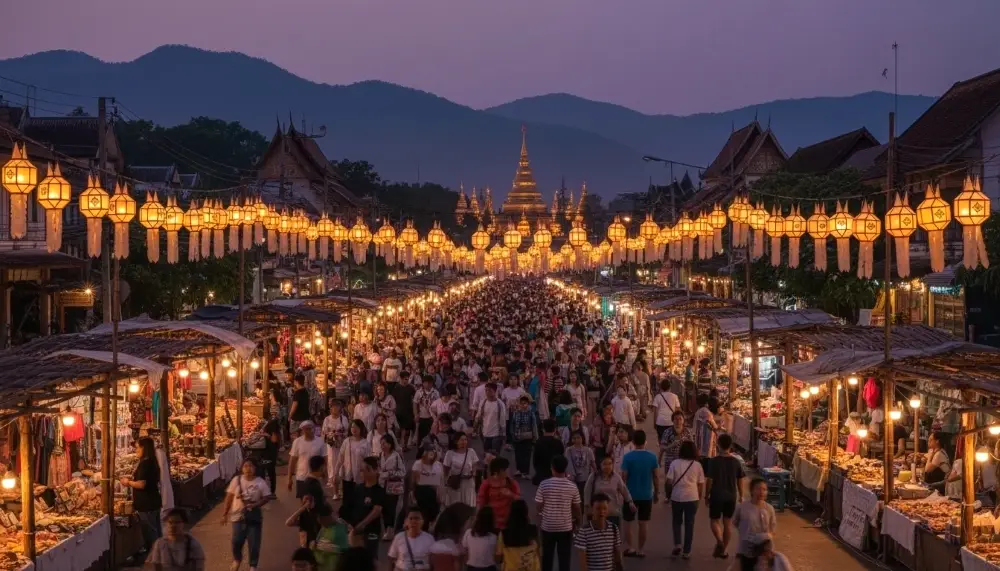
Tha Sadet Market is one of the finest riverside markets in northern Thailand and the social and commercial centre of Nong Khai life. Running along the Mekong promenade, it operates daily in the morning and again in the late afternoon and evening, with the stalls filling up with a genuinely eclectic mix of fresh produce, Vietnamese-influenced street food, goods from Laos and China, fabrics, and handicrafts.
Street food here runs 40 to 80 THB (~$1.15 to $2.30) per dish. The Vietnamese influence is unmistakable: look for Vietnamese pizza (a rice paper platter loaded with grilled meats), proper Vietnamese coffee dripped through a French metal filter, and fresh spring rolls. The market’s location right on the Mekong means every visit comes with a view straight across to the Laos bank.
The promenade itself is the beating heart of evening Nong Khai. As the sun drops, locals spread out along the riverside walk, riverside bars fill up, and the golden light on the river turns the whole scene briefly magnificent. This is the best free experience in town, and it costs nothing more than a cold Chang at 50 to 60 THB (~$1.43 to $1.70) from a riverside vendor.

Pick a Nong Khai eSIM plan that matches
your trip length on Airalo’s global
marketplace. Install before departure
and you’re online the moment you land.
4. The Saturday Night Market: Nong Khai’s Weekly Celebration
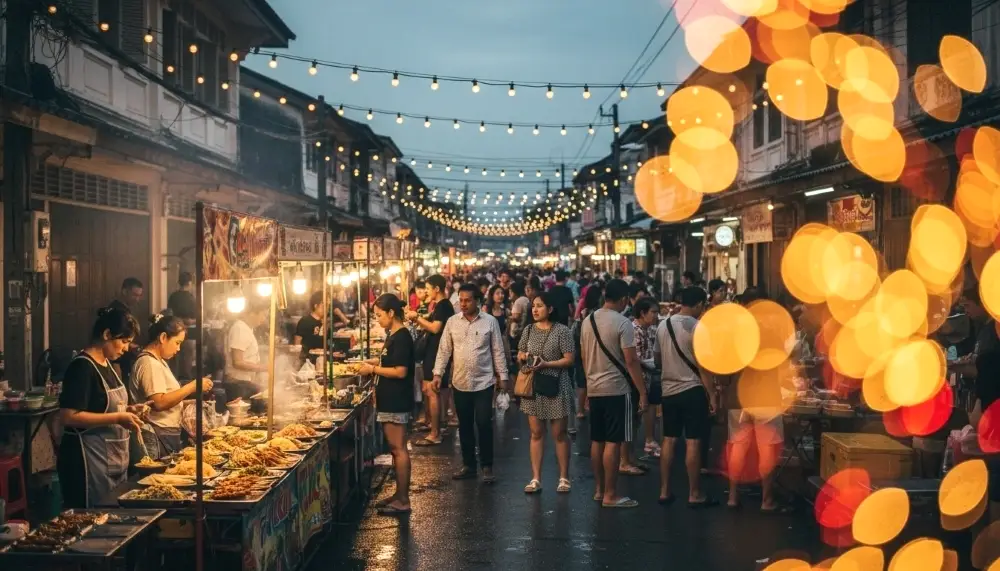
If you are in Nong Khai on a Saturday, the Night Market is non-negotiable. Running from dusk along the riverside road from the town centre toward the Friendship Bridge, it transforms what is normally a quiet promenade into one big open-air party. The market is only loosely about shopping. The real draw is the live music on the eastern stage, the groups of local women dancing in formation, the bars that line the route, and the extraordinary atmosphere of a town letting its hair down in the best possible way.
Food stalls run the full length of the market with dishes from 40 to 100 THB (~$1.15 to $2.85). Riverside bars serve beers and cocktails until around 01:00. The Laos side of the river twinkles with lights across the water, and on a clear night the whole scene has a quality that is genuinely hard to replicate anywhere in Thailand. Arrive before 19:00 to secure a riverside bar seat before the locals claim them all. Entry is free.
Nong Khai Activity Price Guide:
| Activity | Cost (THB) | Cost (USD) | Best Time |
|---|---|---|---|
| Sala Kaew Ku entry | 20 THB | ~$0.57 | Morning or late afternoon |
| Wat Pho Chai entry | Free | Free | Early morning |
| Tha Sadet Market food | 40 to 80 THB per dish | ~$1.15 to $2.30 | Morning and evening |
| Saturday Night Market | Free entry | Free | Saturday from dusk |
| Phu Phra Bat Historical Park entry | 100 to 120 THB | ~$2.85 to $3.43 | Morning (open 08:30 to 16:30) |
| Vientiane day trip (guided) | 1,400 to 2,500 THB | ~$40 to $71 | Full day |
| Naga Fireball Festival | Free | Free | October (end of Buddhist Lent) |
| Mekong River boat trip | 200 to 500 THB | ~$5.70 to $14.30 | Late afternoon for sunset |
5. The Naga Fireball Festival: Thailand’s Most Mysterious Event
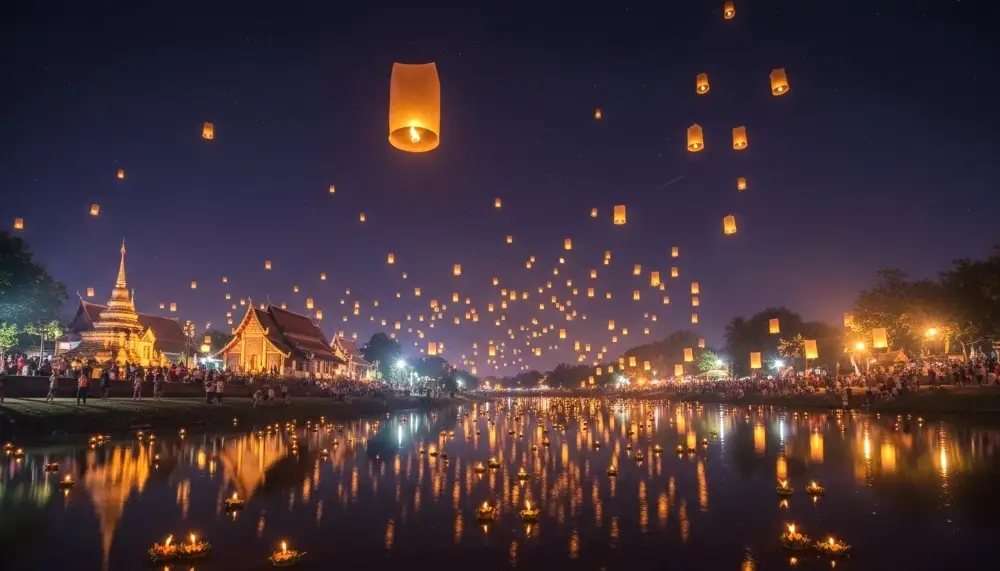
Once a year, at the end of the three-month Buddhist Lent period (usually in October), hundreds of glowing red orbs rise silently from the surface of the Mekong River and drift skyward before vanishing without a trace. Locals call them Bung Fai Phaya Nak, the fireballs of the Naga serpent. Scientists are genuinely divided on the cause. Witnesses describe uniform, tailless balls of light that rise from beneath the water with a calm, almost deliberate motion. Nobody has ever captured a fully convincing explanation.
The best viewing point is at Phon Phisai, around 50 kilometres east of Nong Khai along the Mekong, where hundreds of thousands of Thai visitors gather annually. The festival atmosphere around the event is extraordinary: boat races, floating illuminated craft, food fairs, and live performances line the riverbanks for the full week. Entry to the festival grounds is free, but transport and accommodation require serious advance planning. Book rooms via Agoda months ahead and lock in intercity transport through 12GO well before national holiday surges push prices up. Traffic from Nong Khai to Phon Phisai can stretch a 50-kilometre journey to several hours on the main fireball night.

Stay online in Nong Khai without breaking
the budget. Saily offers flexible
eSIM plans with no contract and
no roaming charges going home.
6. Day Trip to Vientiane, Laos
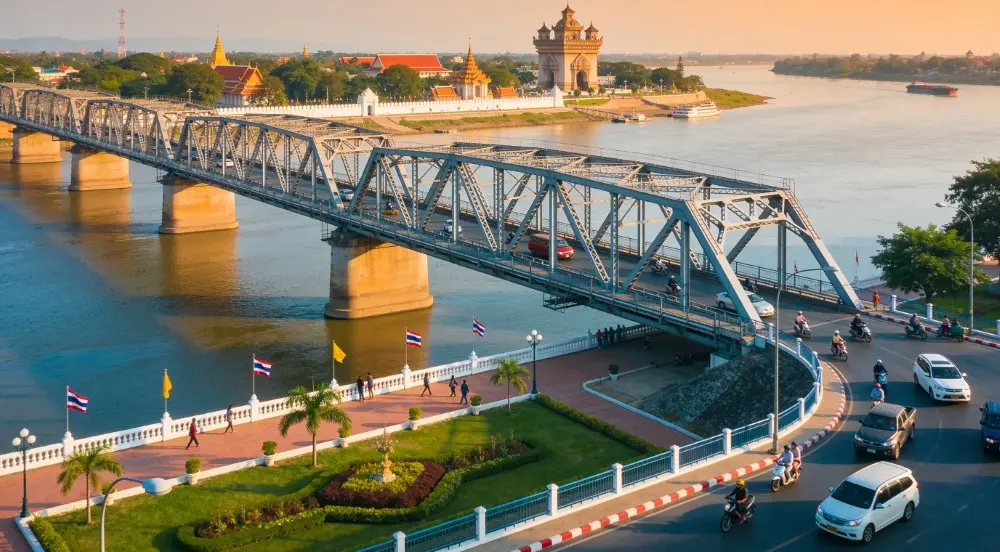
Nong Khai’s most compelling day trip sits just across the river. The Thai-Laos Friendship Bridge No.1, opened in 1994, connects the town directly to Vientiane, and a day in the Lao capital is one of the most rewarding things you can do from this base. Vientiane is one of the quietest, most graceful capital cities in Southeast Asia: wide tree-lined boulevards, French colonial shophouses, golden stupas, and a Mekong promenade to rival Nong Khai’s own.
Highlights on the Laos side include Pha That Luang (Laos’s most sacred national monument), the surreal Xieng Khuan Buddha Park (a spiritual cousin of Sala Kaew Ku), the Patuxai victory monument, and the Mekong riverside bars where cold Beerlao costs around 15,000 to 20,000 LAK (~$0.70 to $0.95). Cross on the public shuttle bus for around 55 THB (~$1.57) per person. Most nationalities receive a Laos visa on arrival at the bridge for around $30 to $42 USD depending on nationality. A guided Vientiane day trip booked through Get Your Guide or Klook covers transport and key sites for around 1,400 to 2,500 THB (~$40 to $71).
Activate your Airalo, Yesim, or Saily eSIM before crossing, or pick up a Laos SIM at the bridge. Laos mobile data is cheap and coverage in Vientiane is solid.

Compare hotel prices across Nong Khai’s
best areas and book with confidence.
Filter by budget, location, or score
to find the right stay for your trip.
7. Phu Phra Bat Historical Park: Ancient Rocks and Prehistoric Art
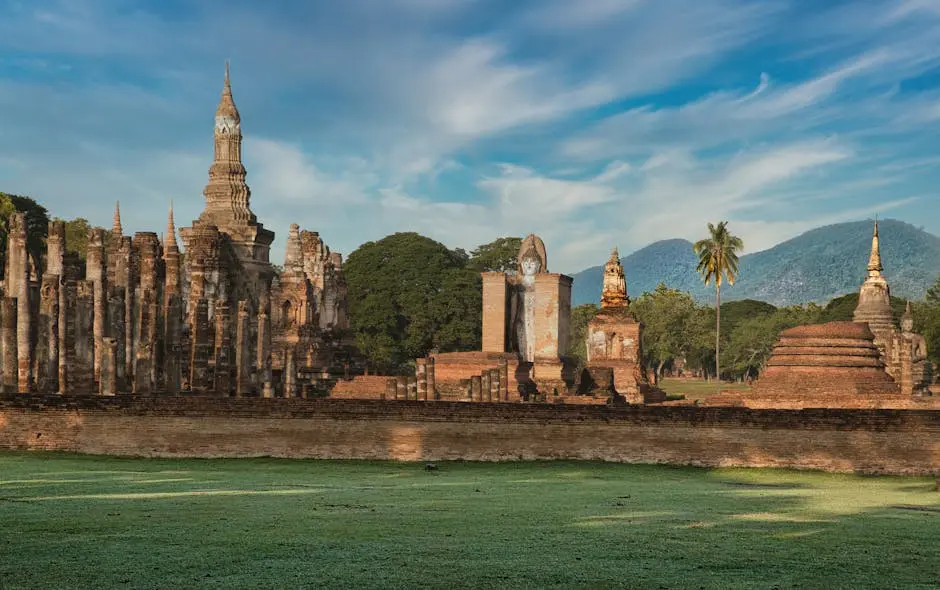
Around 65 kilometres from Nong Khai, near the town of Ban Phue in Udon Thani province, Phu Phra Bat Historical Park is among the least-visited UNESCO-calibre sites in all of Southeast Asia. The park protects a landscape of extraordinary sandstone rock formations sculpted by 15 million years of erosion, riddled with prehistoric cave paintings, ancient shrines, and Buddhist iconography carved directly into the rock faces.
Entry costs 100 to 120 THB (~$2.85 to $3.43). The park is open daily from 08:30 to 16:30 and free guides (employed by the Fine Arts Department) are available at the entrance, though a tip is very much appreciated. The site receives a fraction of the visitors that similar parks in Chiang Mai or Kanchanaburi attract, which means you may have entire sections entirely to yourself. Allow two to three hours for a thorough walk.
There is no reliable public transport to Phu Phra Bat. A hired taxi from Nong Khai for the round trip costs approximately 800 to 1,200 THB (~$22.85 to $34.30). Book a private or shared day tour through Get Your Guide or Klook to combine the park with other Isaan highlights in a single well-organised trip.
8. Exploring Nong Khai By Bicycle
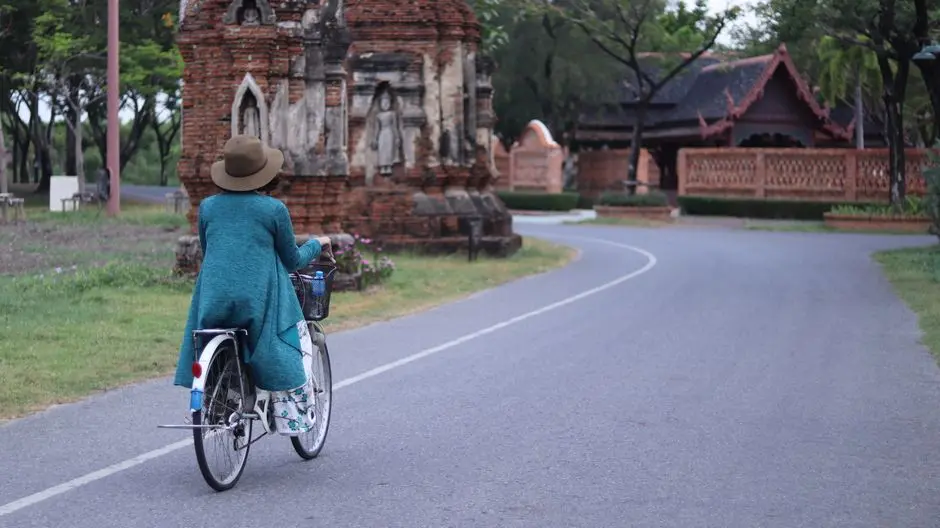
Nong Khai is one of the best cycling towns in Thailand. The flat riverside roads, light traffic, and compact layout make it genuinely enjoyable to cover on two wheels. Bicycle rentals are available through Mut Mee Garden Guest House and several shops near Rimkhong Road for around 50 to 100 THB (~$1.43 to $2.85) per day.
A full day cycling route from Rimkhong Road takes in Sala Kaew Ku (30 minutes east via the scenic riverside path), the Nong Khai Aquarium at Khon Kaen University’s regional campus (home to giant Mekong catfish in a walk-through tank), Wat Lam Duan (a peaceful riverside temple with a double naga statue that looks spectacular under the coloured evening lights), and back along the promenade in time for sunset. The total distance is manageable in half a day for a casual cyclist.
The flat Isaan countryside spreading south of town is equally rewarding for longer rides: genuine rural Thailand with rice paddies, village temples, and roadside som tum stalls at 40 to 60 THB (~$1.15 to $1.70) a plate. Keep NordVPN active if you are stopping at cafes along the way and need to access work accounts on unfamiliar networks.
9. Phra That Nong Khai: The Sunken Stupa
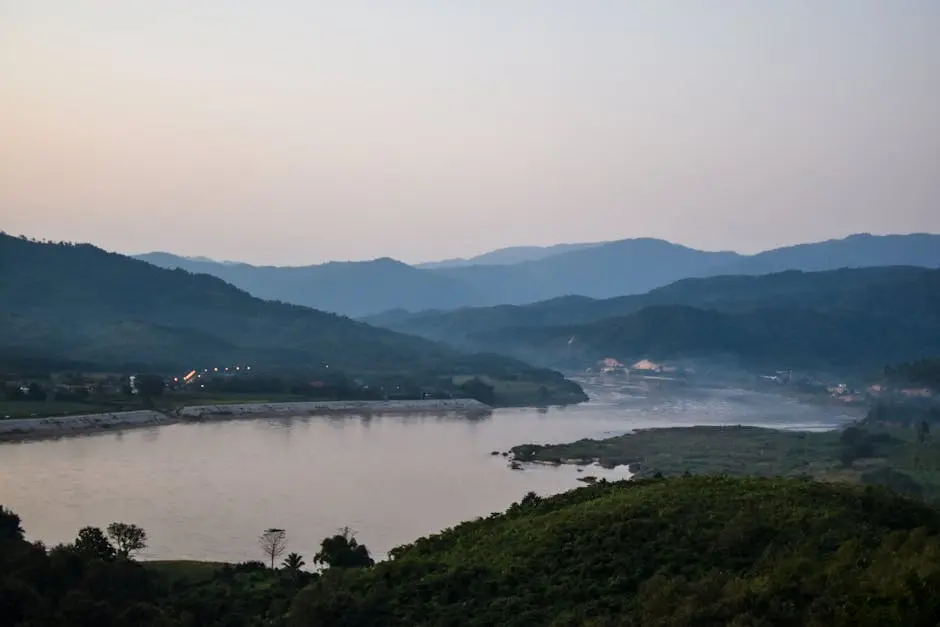
One of Nong Khai’s strangest and most poignant sights is barely visible at all. Phra That Nong Khai, also called the Stupa in the Middle of the River, is a ruined Lao-style chedi that collapsed into the Mekong during floods in 1847 and has been slowly submerging ever since. On the Thai bank, a newer stupa (built in 2006 to honour its sunken twin) is illuminated at night and serves as the viewing point.
During the dry season (roughly November through April), the top of the original stupa is sometimes visible above the waterline, creating one of the most unusual photo opportunities in the northeast. The site is accessible from Rim Khong Road and entry is free. It is best visited in the early morning or at dusk when the light on the river is at its most dramatic. Local tuk-tuk drivers know it well and it can be easily combined with a visit to Wat Pho Chai on the same trip.
10. The Mekong River at Sunset
Nong Khai’s most reliable daily pleasure costs nothing at all. The Mekong sunset here is routinely listed among the best in Thailand, and for good reason. The river is wide, the Laos bank low on the horizon, and as the sun sets behind it the sky cycles through a sequence of orange, pink, and deep crimson that reflects off the water in a way that photographs never quite capture. The riverfront promenade from Wat Lam Duan to the Tha Sadet area is the prime viewing strip.
Sunset boat trips run from near the promenade for around 200 to 500 THB (~$5.70 to $14.30) per person depending on the duration and whether food is included. A cold drink from a riverside bar while watching the light change costs 50 to 80 THB (~$1.43 to $2.30). This is the kind of experience that keeps people extending their stay in Nong Khai from two nights to a week without quite knowing how it happened.
Eating and Drinking in Nong Khai
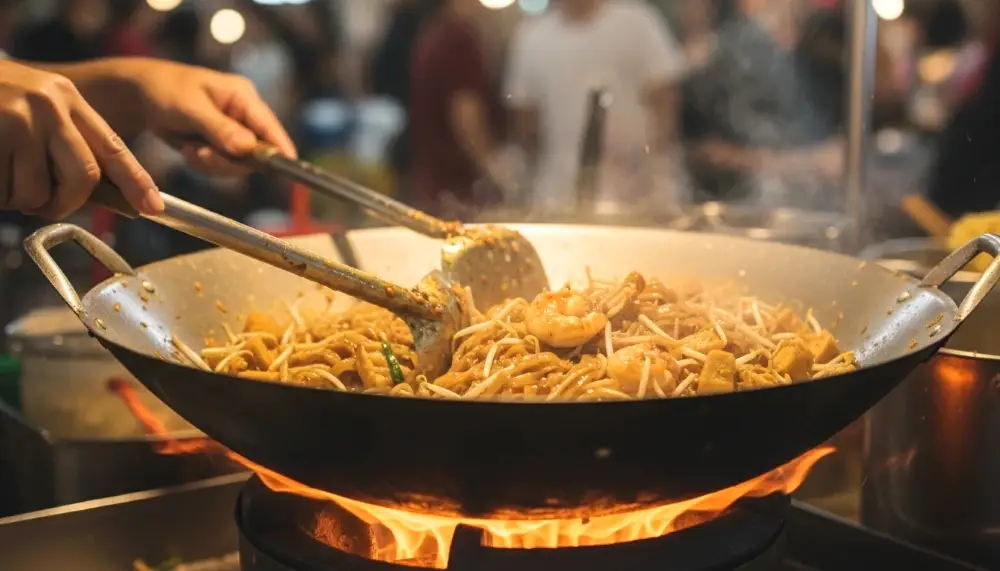
Nong Khai’s food scene is a quietly brilliant collision of Isaan Thai, Lao, and Vietnamese influences. The Vietnamese presence comes from communities that migrated up the Mekong during the conflicts of the 20th century and never quite left. At Tha Sadet Market and the surrounding streets, you will find Vietnamese coffee brewed through a French drip filter alongside proper Isaan standards: larb, som tum, and grilled river fish wrapped in banana leaf.
- Cafe Viet at the Tha Sadet Market: Vietnamese pizza, old-school filter coffee, and honest portions. Dishes from 60 to 120 THB (~$1.70 to $3.43).
- Mut Mee Restaurant: a full menu of Thai and Western dishes served in the riverside garden. Great breakfast option at 80 to 150 THB (~$2.30 to $4.30) per plate.
- Riverside bars and food stalls along Rim Khong Road: grilled meat, sticky rice, cold beer. Budget 100 to 200 THB (~$2.85 to $5.70) for a full evening spread.
- LePont Riverfront Resort restaurant: the best upscale dining option in town with Mekong views, Thai and international menu. Mains from 250 to 500 THB (~$7.15 to $14.30).
Pro Tips For Getting Around Nong Khai:
Bicycle: The single best way to explore town and Sala Kaew Ku. Rent from Mut Mee or guesthouses near Rimkhong Road for 50 to 100 THB (~$1.43 to $2.85) per day. Flat roads make it accessible for all fitness levels.
Tuk-tuk and songthaew: Widely available around the market and promenade area. Short hops around town cost 40 to 80 THB (~$1.15 to $2.30). For a chartered tuk-tuk to Sala Kaew Ku with waiting time, budget 200 to 300 THB (~$5.70 to $8.55).
Grab: Available in Nong Khai for transparent, fixed-price rides to the airport zone, Udon Thani, and further. Activate your Airalo, Yesim, or Saily eSIM before arriving so Grab’s SMS verification clears instantly at the airport.
Intercity buses and trains: Buses to Udon Thani depart regularly from Nong Khai Bus Terminal at 60 to 80 THB (~$1.70 to $2.30). The overnight train to Bangkok takes around 11 hours with sleeper berths from 600 to 1,200 THB (~$17.15 to $34.30). Book all intercity transport through 12GO for instant confirmation and seat selection ahead of festival periods.


Forget swapping physical SIMs in Nong Khai.
Yesim works on most modern phones,
activates remotely, and keeps your
home number live on WhatsApp too.
Suggested Itineraries:
One Day in Nong Khai
Start with an early morning walk along the promenade and breakfast at Tha Sadet Market. Head to Wat Pho Chai before the heat builds, then cycle or tuk-tuk out to Sala Kaew Ku for two hours in the afternoon. Return along the river path, collect a riverside bar seat for sunset, and eat at the Tha Sadet evening stalls. If it is Saturday, stay out for the Night Market.
Two to Three Days in Nong Khai
Add a full day trip to Vientiane on day two (book through Get Your Guide or cross independently via the Friendship Bridge). On day three, hire a taxi or join a tour to Phu Phra Bat Historical Park in the morning, returning in time for the promenade sunset and evening eating. A bicycle day exploring the riverside route and the Nong Khai Aquarium fills any remaining gaps perfectly.
Frequently Asked Questions:
What is Nong Khai most famous for?
Nong Khai is most famous for three things: the Sala Kaew Ku sculpture park, one of the most extraordinary folk-art sites in Southeast Asia; the Naga Fireball Festival, where unexplained glowing orbs rise from the Mekong River each October; and its position as the main crossing point into Vientiane, Laos via the Thai-Laos Friendship Bridge. The Mekong riverside promenade and Tha Sadet Market are beloved daily experiences.
Is Sala Kaew Ku worth visiting?
Absolutely. Sala Kaew Ku is genuinely one of the most unusual sights in all of Thailand, filled with enormous concrete statues of Buddhist and Hindu mythology built over 20 years by a single mystic shaman. Entry costs just 20 THB (~$0.57). It is located around 4 kilometres east of central Nong Khai and reachable by bicycle in 30 minutes or chartered tuk-tuk for 200 to 300 THB (~$5.70 to $8.55) return with waiting time.
When is the Naga Fireball Festival and how do I attend?
The Naga Fireball Festival (Bung Fai Phaya Nak) takes place at the end of the Buddhist Lent period, usually in October. In 2025 it ran from 4 to 8 October. The main viewing point is at Phon Phisai, around 50 kilometres east of Nong Khai. Entry is free, but accommodation in the area must be booked months in advance via Agoda or Booking.com. Traffic on the main fireball night is extreme: depart Nong Khai very early to avoid a multi-hour delay.
Can I do a day trip to Vientiane from Nong Khai?
Yes, easily. The public shuttle bus across the Thai-Laos Friendship Bridge costs around 55 THB (~$1.57). Most nationalities receive a Laos visa on arrival at the border for $30 to $42 USD depending on nationality. A guided Vientiane day trip booked through Get Your Guide or Klook costs around 1,400 to 2,500 THB (~$40 to $71) including transport and key sights. The crossing is straightforward and immigration is generally quick outside of busy periods.
What is the best way to get around Nong Khai?
Bicycle is the best option for town exploration and the ride to Sala Kaew Ku. Rentals cost 50 to 100 THB (~$1.43 to $2.85) per day from guesthouses near Rimkhong Road. Tuk-tuks handle shorter town hops at 40 to 80 THB (~$1.15 to $2.30). Grab is available for longer journeys and airport transfers. For day trips to Phu Phra Bat or the Naga Fireball Festival, hire a taxi or book through Get Your Guide or Klook.
What food is Nong Khai known for?
Nong Khai’s food blends Isaan Thai, Lao, and Vietnamese influences. Highlights include larb, som tum, and grilled Mekong fish alongside Vietnamese pizza (rice paper with grilled meats), old-school Vietnamese drip coffee, and fresh spring rolls. Tha Sadet Market is the best place to eat, with dishes from 40 to 80 THB (~$1.15 to $2.30). The evening market stalls along Rim Khong Road offer grilled meats, sticky rice, and cold beer for 100 to 200 THB (~$2.85 to $5.70) a full spread.
Is Phu Phra Bat Historical Park worth the journey from Nong Khai?
Yes, for travellers with a genuine interest in history and archaeology. The park contains 15-million-year-old sandstone formations, prehistoric cave paintings, and ancient shrines, all in a beautiful and almost entirely crowd-free setting. Entry costs 100 to 120 THB (~$2.85 to $3.43). There is no public transport: hire a taxi for 800 to 1,200 THB (~$22.85 to $34.30) return or join a guided tour through Get Your Guide. Allow two to three hours on site.
What is the best time of day to visit Sala Kaew Ku?
Early morning (08:00 to 10:00) is ideal for cooler temperatures and softer light for photography. Late afternoon works well too, and the park looks particularly striking in golden hour light. Evening visits are possible as some areas are illuminated by coloured lighting after dark, though opening hours vary seasonally. Avoid midday between November and April when heat is intense, and between March and May when temperatures regularly exceed 38°C.
What should I not miss on a Saturday in Nong Khai?
The Saturday Night Market along the Tha Sadet riverside road is the unmissable weekly event. It runs from dusk with live music on an eastern stage, local dancing groups, riverside bars, and food stalls from 40 to 100 THB (~$1.15 to $2.85) per dish. Arrive before 19:00 to secure a riverside bar seat. The market runs until around 01:00. Entry is free. Combine it with a late afternoon visit to Sala Kaew Ku or a sunset river cruise earlier in the day.
Is Nong Khai suitable for families with children?
Yes. The Nong Khai Aquarium at the regional university campus is an excellent family stop, featuring giant Mekong catfish in a walk-through tank at very low cost. Sala Kaew Ku is fascinating for children due to its scale and strangeness. The promenade is safe and wide, with food stalls that offer familiar dishes alongside local specialities. The Saturday Night Market is family-friendly. A Welcome Pickups pre-booked transfer from Udon Thani Airport is the most relaxed arrival option for families travelling with luggage and young children.