How to Visit Chatuchak Weekend Market: 8 Essential Survival Tips
This site contains affiliate links. We may earn a commission at no extra cost to you.
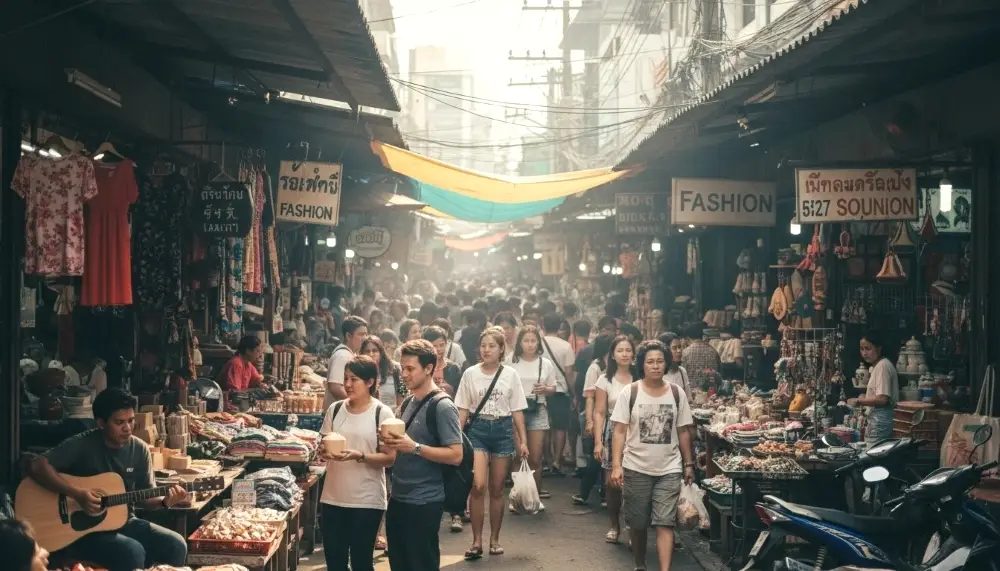
Chatuchak Weekend Market is one of the great unscripted experiences in South-East Asia. Roughly 15,000 stalls. Around 200,000 visitors on a busy Saturday. A labyrinth of covered lanes selling everything from antique Burmese lacquerware to live hedgehogs, hand-dyed silk, vintage military jackets, fresh orchids, ceramic cookware, and the best coconut ice cream you will eat anywhere in Thailand. All prices in this guide use a rate of 35 THB = $1 USD.
The problem is that Chatuchak (known locally as JJ Market) is also genuinely overwhelming. First-timers frequently arrive at 11:00 in full sun, walk three laps of the outer perimeter in 34-degree heat, buy nothing, and leave exhausted having missed 90% of the good stuff. This guide exists to make sure that does not happen to you.
Quick Facts: Chatuchak Weekend Market
Location: Kamphaeng Phet 2 Road, Chatuchak District, Bangkok. BTS Mo Chit (exit 1), MRT Chatuchak Park (exit 1), or MRT Kamphaeng Phet (exit 2).
Opening Hours: Saturday and Sunday, 09:00 to 18:00. Some stalls open from 06:00 for the plants and flowers section. A smaller weekday market (Wednesday and Thursday, 07:00 to 18:00) covers plants, flowers, and wholesale goods only.
Entry: Free. No ticket required.
Size: 35 acres. 27 sections. Approximately 15,000 stalls and 11,000 vendors.
Budget guide: Street food 40 to 100 THB (~$1.15 to $2.85) per dish. Fashion items 150 to 1,200 THB (~$4.30 to $34). Antiques and collectibles 300 to 50,000+ THB (~$8.55 to $1,429+). Handmade crafts 200 to 3,000 THB (~$5.70 to $85.70).
Before you arrive: Activate your Airalo, Yesim, or Saily eSIM before you leave home. Chatuchak’s mobile signal is surprisingly patchy in the covered inner sections, and apps like Grab require SMS verification that needs a working data connection. Sort your connectivity before departure, not at the baggage carousel.

Stay closer to the action in Thailand.
Agoda lists guesthouses to resorts
with verified reviews and instant
booking at competitive rates.
Tip 1: Arrive Early and Leave Before Noon
This is the single most important piece of advice in this entire guide. Chatuchak between 09:00 and 11:00 is a genuinely pleasant experience. The temperature is manageable, the lanes are navigable, vendors are fresh and happy to talk, and the light inside the market is soft and golden. Chatuchak between 12:00 and 15:00 on a Saturday in March is a very different proposition.
By midday, temperatures inside the covered central sections regularly reach 36 to 38°C with high humidity. Crowds swell to their peak. The outer lanes become gridlocked with tourists and weekend shoppers moving in opposite directions with bags, pushchairs, and confusion. Energy drains fast.
The optimal strategy is to arrive at 09:00, target the sections you care about most in the first two hours, take a long breakfast or coffee break from around 11:00 to 11:30, then push back into the market for a final sweep before 13:00. If you are particularly heat-sensitive or visiting with young children, plan to be done and on the BTS by 12:30. Book accommodation close to the BTS network via Agoda or Booking.com: staying in the Ari or Saphan Khwai area puts you 10 minutes from Mo Chit station, with guesthouses from 900 to 2,000 THB (~$25.70 to $57) per night.

Compare every route to Thailand:
sleeper bus, train, or ferry, all
priced and reviewed in one place.
No guessing which operator is safe.
Tip 2: Use the Official Map and Understand the Section System
Chatuchak is divided into 27 numbered sections, each loosely dedicated to a product category. The layout is not intuitive from the ground, because the sections snake and overlap in ways that no quick overview can fully prepare you for. However, knowing the broad geography before you enter saves a huge amount of wandering.
Here is the essential mental map:
- Sections 2 to 4 (northwest): Plants, flowers, gardening, and pets. The plant section opens at 06:00 and is best before 08:00.
- Sections 7 to 8 and 25 to 26 (east and northeast): Antiques, collectibles, vintage items, Buddhist amulets, and second-hand goods.
- Sections 10 to 14 (central): Clothing, fashion, and accessories. This is the densest and most crowded area.
- Sections 5 and 6 (south-central): Home decor, ceramics, and furniture. Excellent for artisan Thai crafts and gifts.
- Sections 22 to 24 (south): Art, prints, handmade jewellery, and independent Thai designers.
- Food stalls and restaurants: Clustered throughout sections 1, 2, and 3 near the main Kamphaeng Phet entrance, and in the dedicated food lanes throughout the market centre.
Pick up a free paper map at the information booth near the Kamphaeng Phet MRT entrance (exit 2). The official Chatuchak map app is also available to download before you leave home: useful when signal is poor inside the inner sections. Use Get Your Guide or Klook to book a guided Chatuchak walking tour if this is your first visit and you want a knowledgeable local to decode the sections with you.
Tip 3: Bring Cash, But Not Too Much
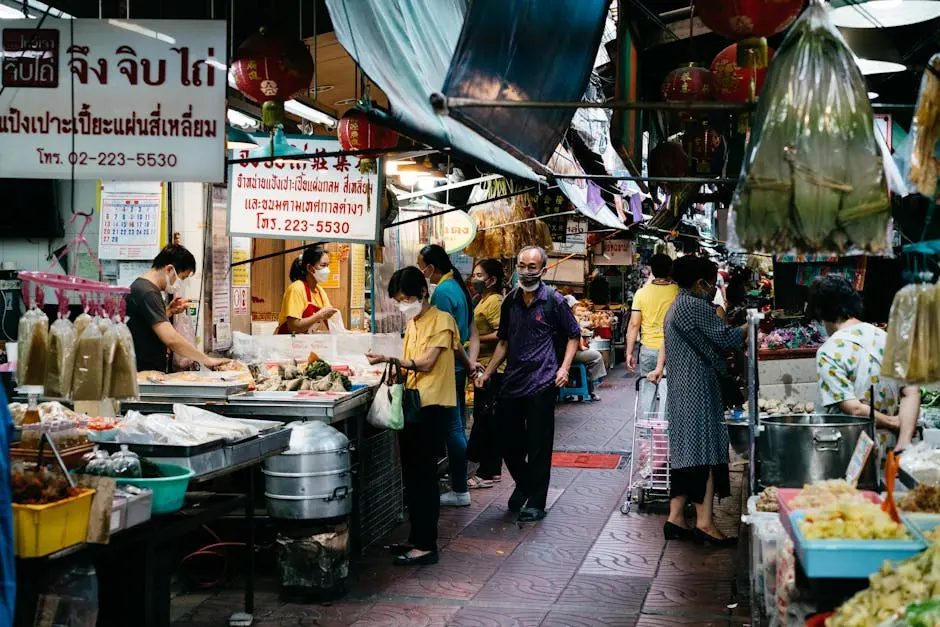
Chatuchak is an almost entirely cash economy. Some of the larger, more established stalls in the antiques and home decor sections accept PromptPay QR code transfers and occasionally Visa cards, but the vast majority of vendors deal exclusively in THB notes. Arriving with only a card and hoping for the best is a reliable way to miss the best deals.
Practical cash strategy: withdraw before you arrive. The ATMs immediately outside Mo Chit BTS station and Kamphaeng Phet MRT are there, but they charge foreign cards the standard Bangkok fee of 220 THB (~$6.30) per withdrawal. Withdraw a larger sum from a central Bangkok ATM the night before to avoid paying fees twice. A realistic Chatuchak budget for a casual shopper (food, a few fashion items, a souvenir or two) is 1,500 to 3,000 THB (~$42.85 to $85.70). Serious shoppers targeting antiques or multiple clothing purchases should carry 5,000 to 10,000 THB (~$143 to $286).
Keep notes in two separate pockets. It is not that Chatuchak is unsafe (it is not, by any international standard), but it is genuinely very crowded and the simple discipline of keeping large notes separate from small notes speeds up every transaction and prevents accidental overpayment when things are busy.

A friendly driver, a clean car, and
a flat fare to your Thailand hotel.
Welcome Pickups handle logistics
so your trip starts the right way.
Tip 4: Know How to Negotiate (and When Not To)
Bargaining at Chatuchak is an art form, not a confrontation. The Thai approach to negotiation is warm, indirect, and built on mutual face-saving. Aggressive tactics, name-calling prices as ridiculous, or making a scene are not just rude: they are also ineffective. The vendor simply stops being interested.
The system that works consistently: smile, ask the price, consider it for a moment, then offer around 70 to 75% of the asking price. A vendor quoting 500 THB (~$14) expects to land around 400 to 420 THB (~$11 to $12). They may counter at 460 THB (~$13). You meet somewhere in the middle, everyone feels good, and you move on. Never make an offer you are not prepared to honour: walking away after agreeing a price is considered genuinely offensive.
Buying multiple items from the same stall dramatically increases your leverage. Three items at 300 THB each can often become three for 700 THB (~$20) if you ask pleasantly. This is the most reliable discount strategy at Chatuchak.
Do not try to negotiate at food stalls. Prices are set, portions are generous, and the vendors are busy. The 80 THB (~$2.30) bowl of pad krapao is already an extraordinary deal.
Chatuchak Section Guide: What to Find Where
| Section | What You’ll Find | Typical Price Range (THB) | Price Range (USD) | Best Time to Visit |
|---|---|---|---|---|
| Sections 2 to 4 | Plants, flowers, pets | 50 to 2,000 THB | ~$1.45 to $57 | 06:00 to 09:00 |
| Sections 7 to 8 | Antiques, collectibles, amulets | 300 to 50,000+ THB | ~$8.55 to $1,429+ | 09:00 to 11:00 |
| Sections 10 to 14 | Fashion, clothing, accessories | 150 to 1,200 THB | ~$4.30 to $34 | 09:30 to 11:30 |
| Sections 5 to 6 | Home decor, ceramics, crafts | 200 to 5,000 THB | ~$5.70 to $143 | 10:00 to 12:00 |
| Sections 22 to 24 | Art, jewellery, indie designers | 250 to 3,000 THB | ~$7.15 to $85.70 | 09:00 to 12:00 |
| Sections 25 to 26 | Vintage, second-hand, records | 100 to 8,000 THB | ~$2.85 to $229 | 09:00 to 11:00 |
| Sections 1, 2, 3 (food) | Street food, fresh juice, coffee | 40 to 150 THB | ~$1.15 to $4.30 | All day |
Tip 5: Eat Like a Local Inside the Market
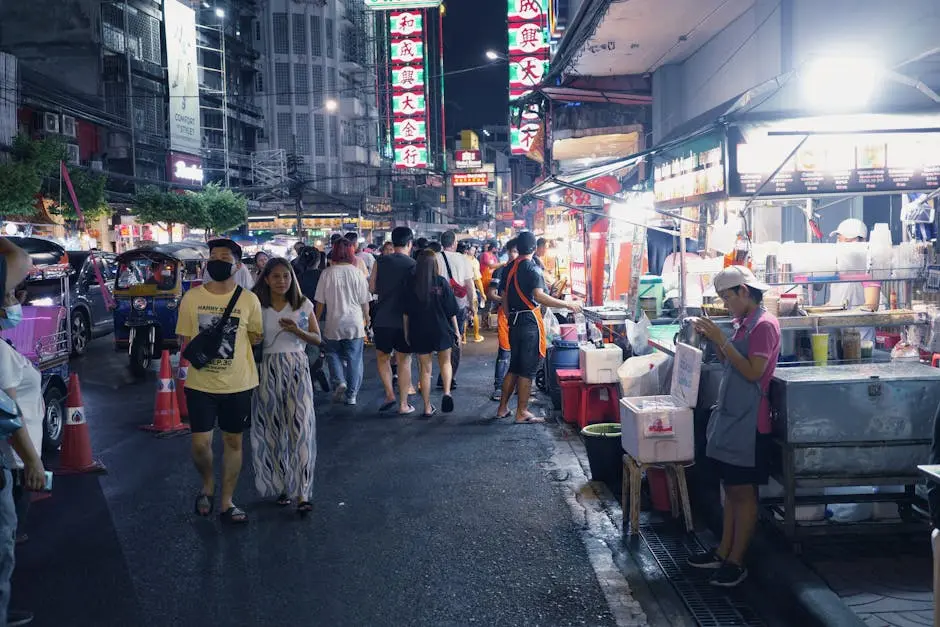
The food at Chatuchak is genuinely outstanding and vastly underrated by visitors who eat before they arrive. The market’s internal food lanes, particularly along the south side of section 1 and through the centre of sections 2 and 3, are dense with stalls serving food that locals eat daily and tourists walk past without realising what they are missing.
Non-negotiable Chatuchak food experiences:
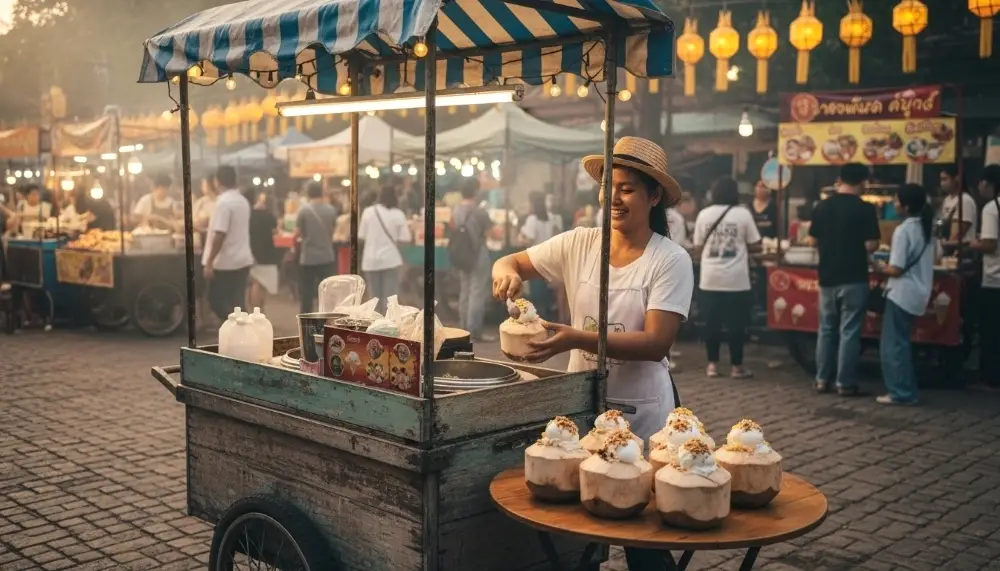
- Coconut ice cream: Served in a coconut shell with sticky rice and toppings. 60 to 80 THB (~$1.70 to $2.30). Queue is usually visible and worth joining.
- Boat noodles (kuai tiao ruea): Small, intensely flavoured bowls of pork or beef noodle soup at 40 to 60 THB (~$1.15 to $1.70) per bowl. Order three or four.
- Grilled pork skewers (moo ping): 15 to 25 THB (~$0.45 to $0.70) each, best eaten with sticky rice at 10 THB (~$0.30) per portion.
- Fresh fruit with chilli sugar: Mango, guava, or green papaya sliced to order. 30 to 50 THB (~$0.85 to $1.45).
- Iced Thai tea or fresh-pressed sugarcane juice: Essential cooling drinks. 25 to 40 THB (~$0.70 to $1.15) per cup.
Aor.Or, the long-running stall in the corner of section 1 near the information booth, is one of the most reliably excellent pad krapao (basil pork) stalls in all of Bangkok. It costs 80 THB (~$2.30) and is worth every satang. For a broader Bangkok street food experience beyond Chatuchak, Get Your Guide and Klook both offer excellent guided tuk-tuk street food tours departing from central Bangkok from around 1,200 to 1,800 THB (~$34 to $51) per person.

From temples to island tours, Klook
covers Thailand’s best experiences.
Hotel pickup is often included and
prices beat the pier walk-in rate.
Tip 6: Dress for the Heat and Pack Light
This sounds obvious until you watch a stream of visitors arrive in denim jeans and trainers, carrying large rucksacks, and then spend their first 45 minutes visibly suffering. Chatuchak in warm season (March to June) is an endurance event as much as a shopping trip. What you wear and carry makes a genuine difference to how long you last and how much you enjoy it.
Clothing: Loose linen or moisture-wicking fabric. Light colours. Sandals or breathable trainers you can slip on and off easily (some antique stalls require you to remove footwear). A small packable hat for moving between sections in direct sun.
Bag: A small, lightweight crossbody bag or a packable tote. Do not bring a large rucksack: the lanes are narrow, turning around with a big pack is difficult, and the extra weight compounds the heat. Bring fold-flat bags you can fill with purchases as you go rather than carrying full bags from the start.
Essentials to carry: Cash in two pockets (see Tip 3). A 500ml reusable water bottle (there are water refill stations throughout the market). Sunscreen. A portable phone charger. Hand sanitiser. A compact umbrella that doubles as a sun shield for sections without cover.
What to leave at the hotel: Passports (a hotel key card or a digital copy is sufficient for the day). Laptops or tablets. Anything you cannot afford to get bumped or wet in a crowd.

Lock in top-rated Thailand tours with
GetYourGuide’s free cancellation
up to 24 hours before. Reserve now
and pay later if dates aren’t set.
Tip 7: Know What Is Worth Buying (and What to Skip)
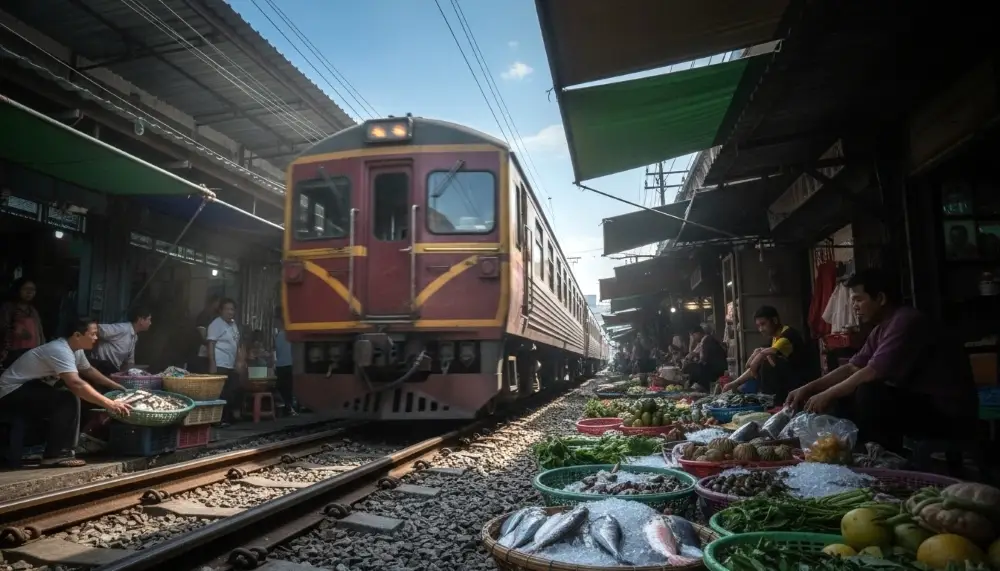
Chatuchak is exceptional for certain categories of purchase. It is mediocre or overpriced for others. Knowing the difference before you arrive stops you spending money on things you could have bought better or cheaper elsewhere, and frees up your budget for the things Chatuchak genuinely does better than anywhere in Bangkok.
Excellent value and worth prioritising:
- Handwoven textiles and Thai silk by the metre (sections 5 to 6): 150 to 600 THB (~$4.30 to $17) per metre, significantly cheaper than boutique shops.
- Vintage and second-hand clothing (sections 25 to 26): genuine finds for collectors, with vintage denim and military surplus from 200 to 1,500 THB (~$5.70 to $42.85).
- Ceramic housewares and hand-painted tableware (sections 5 to 6): locally made pieces at 150 to 800 THB (~$4.30 to $22.85) per item.
- Buddhist amulets and antique religious items (sections 7 to 8): deeply specialist, but for collectors this is one of the best markets in Asia.
- Fresh tropical plants and orchids (sections 2 to 4): extraordinary value if you can take them home, with potted orchids from 80 to 300 THB (~$2.30 to $8.55).
- Independent Thai fashion and streetwear (sections 10 to 14): unique pieces at 300 to 1,200 THB (~$8.55 to $34) that you will not find in any mall.
Skip or approach with caution: Mass-produced elephant-print souvenirs (identical items available cheaper at Pratunam). Electronics (no warranty, quality unpredictable: go to MBK or Pantip Plaza instead). Luxury brand “inspired” fashion (quality is inconsistent and customs can be an issue). Live animals from the pet section: the welfare standards are not always high, and import regulations for pets are strict and complex.
Tip 8: Plan Your Transport In and Out
Chatuchak is one of the most accessible markets in Bangkok by public transport, which is exactly how you should reach it. Attempting to drive on a Saturday morning is a commitment to an hour of stationary traffic. Taking a Grab to the gate is fine but pointless: the market is 50 metres from two separate metro stations.
Best way in: BTS Skytrain to Mo Chit (exit 1) puts you at the market’s north entrance, directly above the antiques and plants sections. MRT to Chatuchak Park (exit 1) or Kamphaeng Phet (exit 2) deposits you at the south and east entrances, closer to the fashion and home decor sections. BTS single fare from Siam: 33 THB (~$0.95). MRT single fare from Sukhumvit: 29 THB (~$0.85).
Getting out with purchases: If you buy large items (furniture, large ceramics, framed artwork), many vendors offer shipping services to your Bangkok hotel or directly to your home country. Shipping a medium-sized ceramic piece to the UK typically costs 800 to 2,500 THB (~$22.85 to $71) via vendor-arranged courier. For smaller purchases, the BTS and MRT are perfectly manageable with two or three bag loads. For very large hauls, Grab XL accommodates more luggage comfortably: fares from Chatuchak to central Sukhumvit run 120 to 200 THB (~$3.45 to $5.70).
Arriving from outside Bangkok: If Chatuchak is your first stop after landing at Suvarnabhumi Airport (BKK), Welcome Pickups offers fixed-rate private transfers that can drop you directly at the market gates, avoiding the taxi negotiation and meter anxiety. Rates from BKK to Chatuchak run approximately 700 to 950 THB (~$20 to $27.15), with no hidden charges. If your flight is delayed, AirHelp handles compensation claims for disruptions under EU261 and equivalent regulations from your country of departure.
Onwards from Bangkok: Planning to head to Chiang Mai or the islands after Bangkok? Lock in train and bus tickets via 12GO well ahead of the weekend: seats on the overnight train to Chiang Mai sell out quickly on Friday and Saturday departures, with second-class sleeper berths at 500 to 800 THB (~$14 to $22.85).
The JJ Green Night Market: Chatuchak After Dark
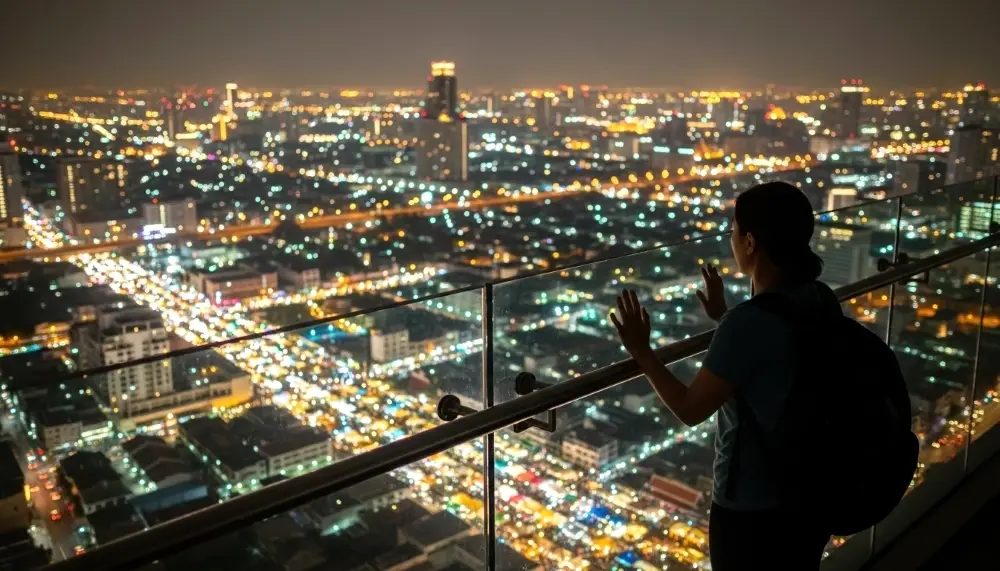
Directly adjacent to the main Chatuchak complex, JJ Green is a separate evening market that opens from around 18:00 on weekends and runs until midnight. Where the main market trades in daylight and commerce, JJ Green is a different atmosphere entirely: low-lit, music-heavy, and catering to a younger, more local crowd.
The focus here is vintage fashion, retro electronics, vinyl records, and streetwear from Thai independent labels. A well-curated vintage denim jacket goes for 600 to 2,500 THB (~$17 to $71.40) depending on brand and condition. Japanese vintage workwear and military surplus fetch a premium at 1,500 to 5,000 THB (~$42.85 to $143). Original Thai band T-shirts and festival merch from the 1990s and 2000s are among the hidden gems for those who know what to look for.
Food and drink at JJ Green is decidedly more social than the main market: craft beer stalls, live acoustic music on small stages, and food trucks serving Korean fried chicken and Japanese-Thai fusion alongside the standard street food. A Beer Lao or Chang draft at 60 to 80 THB (~$1.70 to $2.30) is the appropriate accompaniment to a slow browse through the vintage rails at dusk. For remote workers ending the day here, NordVPN is worth enabling before connecting to the open Wi-Fi networks at the food stall clusters.
Chatuchak and the Wider Bangkok Experience
Chatuchak pairs brilliantly with a broader Bangkok itinerary. The market sits at the northern end of the BTS network, which means a morning at Chatuchak can flow naturally into an afternoon at ICONSIAM via the Saphan Taksin shuttle boat, or a sunset on the rooftop of a Silom hotel. The city is built for this kind of day.
Most travellers combine Bangkok with Chiang Mai in the north and beach destinations in the south. Phuket and Koh Samui remain the most popular island choices, with domestic flights from Don Mueang (DMK) available for 700 to 2,000 THB (~$20 to $57) booked in advance. Long-stay visitors and digital nomads planning more than four weeks in Thailand should look at SafetyWing for continuous nomad health cover: Thai private hospitals are genuinely world-class, and having cover removes the anxiety of an unexpected clinic visit mid-trip.
Whatever your version of Thailand looks like, a Saturday morning at Chatuchak is one of the best ways to begin it. Arrive early, eat well, negotiate warmly, and leave before the heat wins.

Stay online in Thailand without the
daily data limits of tourist SIMs.
Yesim’s eSIM offers unlimited 5G
from around $10 for the whole trip.
Frequently Asked Questions
Is Chatuchak Weekend Market open every day?
No. The main market opens Saturday and Sunday only, from 09:00 to 18:00. A smaller weekday market covering plants, flowers, and wholesale goods opens Wednesday and Thursday from 07:00 to 18:00. If you visit on a weekday expecting the full experience, you will find a quiet shadow of the weekend market. Plan your Bangkok trip to include a Saturday or Sunday specifically.
How long should I spend at Chatuchak?
Three to four hours is the sweet spot for most visitors. That is enough time to cover the sections relevant to your interests, eat properly, and leave before the midday heat peaks. Dedicated shoppers targeting antiques, vintage clothing, and home decor can easily fill five to six hours. Arriving at 09:00 and leaving by 13:00 is the most consistently enjoyable approach.
What is the best entrance to use at Chatuchak?
It depends on your priorities. BTS Mo Chit exit 1 brings you in from the north, directly into the antiques and plants sections. MRT Kamphaeng Phet exit 2 deposits you at the south entrance, closer to the fashion and home decor sections. MRT Chatuchak Park exit 1 is good for a central entry point. If this is your first visit, Mo Chit exit 1 gives you the widest initial view of the market.
How much money should I bring to Chatuchak?
For a casual visit covering food and a few small purchases, 1,500 to 3,000 THB (~$42.85 to $85.70) is comfortable. Serious shoppers targeting clothing, antiques, or multiple items should carry 5,000 to 10,000 THB (~$143 to $286). Most stalls are cash only. Withdraw from a central Bangkok ATM the night before to avoid paying the 220 THB (~$6.30) foreign card fee at the market entrance ATMs.
Is bargaining expected at Chatuchak?
Yes, at most stalls. The polite approach is to ask the price, offer around 70 to 75% of it, and negotiate warmly from there. Buying multiple items from one stall unlocks the best discounts. Do not attempt to bargain at food stalls: prices are fixed and fair. Branded flagship stalls and larger established vendors in the antiques section often have firm prices, particularly on high-value pieces.
What should I wear to Chatuchak?
Light, loose, breathable clothing and comfortable shoes you can slip off easily. Avoid jeans, heavy fabrics, and closed trainers in warm months (November to May). A small hat is useful for the open-air sections. Bring a crossbody bag rather than a large rucksack: the lanes are narrow and crowded. Carry a reusable water bottle as there are free refill stations throughout the market.
Is Chatuchak safe for tourists?
Yes, by any reasonable standard. Chatuchak is a busy, well-managed public market and serious crime is rare. Normal urban awareness applies: keep valuables in front pockets or a crossbody bag, split your cash into two separate pockets, and stay aware of your surroundings in the densest crowd sections between 11:00 and 14:00. The market has visible security staff and information booths throughout.
What is JJ Green and how is it different from the main market?
JJ Green is a separate evening and night market directly adjacent to the main Chatuchak complex, open from around 18:00 on weekends. It specialises in vintage fashion, retro electronics, vinyl records, and streetwear from Thai indie labels. The atmosphere is younger and more social than the daytime market, with live music, craft beer, and food trucks. It is an excellent complement to a full Chatuchak day.
Can I ship large purchases home from Chatuchak?
Yes. Many established vendors in the home decor, antiques, and ceramics sections offer shipping services to Bangkok hotels and direct international shipping. A medium ceramic piece shipped to the UK or Europe costs approximately 800 to 2,500 THB (~$22.85 to $71) via vendor-arranged courier. Always photograph items before they are packed and get a receipt with the vendor’s stall number. For smaller purchases, the BTS and MRT handle two or three bag loads without difficulty.
Is Chatuchak worth visiting if I only have one day in Bangkok?
Absolutely, but be strategic. Chatuchak on a Saturday morning is one of Bangkok’s unmissable experiences, even on a single-day visit. Arrive at 09:00, spend two to three focused hours covering the antiques, textile, and food sections, then head south via BTS to the Siam or Riverside area for the afternoon. A single well-planned day can include Chatuchak, a riverside lunch, and ICONSIAM or Asiatique in the evening. Book your hotel near the BTS on Agoda or Booking.com to make the connections seamless.