The Real Cost of the Mae Hong Son Loop: Scooter Rental vs. Guided Car Tours
This site contains affiliate links. We may earn a commission at no extra cost to you.
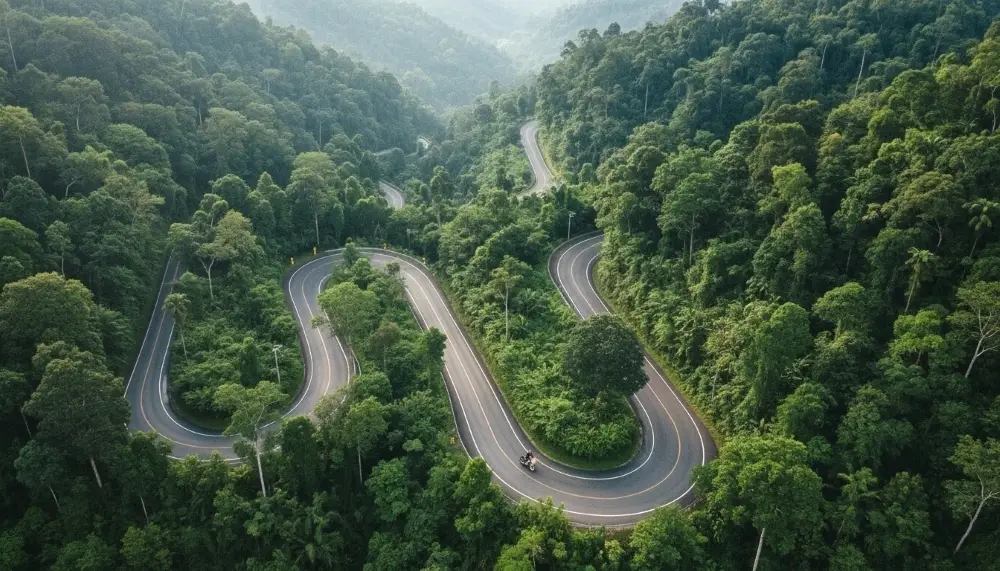
The Mae Hong Son Loop is one of the most celebrated road trips in Southeast Asia. It circles out of Chiang Mai through mountain passes, mist-covered valleys, hilltribe villages, and 1,864 curves of some of the most dramatic tarmac in Thailand. It is also one of the most honestly dangerous roads in the country, and nobody writing a travel blog tends to lead with that part.
This guide does not romanticise the loop. It prices it out, both ways, with the full picture. Whether you are a solo backpacker weighing up a 125cc scooter or a family of four who needs to arrive at each guesthouse with luggage intact, the numbers matter. All prices use a rate of 35 THB = $1 USD.
Quick Answer: Which Option Costs Less?
Solo travellers and experienced riders with an international licence can complete the loop on a scooter for 4,500 to 7,000 THB (~$129 to $200) over four to five days, excluding accommodation. A private guided car tour for two to four people runs 12,000 to 22,000 THB (~$343 to $629) total, but that cost splits across passengers and typically includes a driver, fuel, and planning.
Per person for a group of four, the guided option frequently undercuts the scooter route once you factor in deposits, insurance, crash risk, and the hidden costs that nobody mentions until you are sitting in a roadside clinic outside Pai.
Budgeting: Allocate 4,500 to 7,000 THB (~$129 to $200) per person for a self-drive scooter loop. Budget 3,500 to 6,000 THB (~$100 to $171) per person for a shared private car tour over the same route.

Hotels and guesthouses across Mae Hong Son
on one platform. Filter by free
cancellation, breakfast included,
or pool and book in under a minute.
Cost Comparison at a Glance
| Expense | Scooter (THB) | Scooter (USD) | Car Tour (THB) | Car Tour (USD) |
|---|---|---|---|---|
| Vehicle cost (4 to 5 days) | 1,200 to 2,000 | ~$34 to $57 | 12,000 to 22,000 (total) | ~$343 to $629 (total) |
| Fuel (full loop ~600km) | 500 to 700 | ~$14 to $20 | Included | Included |
| Deposit (held / at risk) | 3,000 to 10,000 | ~$86 to $286 | None | None |
| Insurance (travel medical) | 1,500 to 3,500 | ~$43 to $100 | Recommended | Recommended |
| Driver / guide | You | You | Included | Included |
| Crash / damage risk | High on mountain passes | High | Low | Low |
| Total per person (group of 4) | 4,500 to 7,000 | ~$129 to $200 | 3,500 to 6,000 | ~$100 to $171 |
The Scooter Option: Full Cost Breakdown
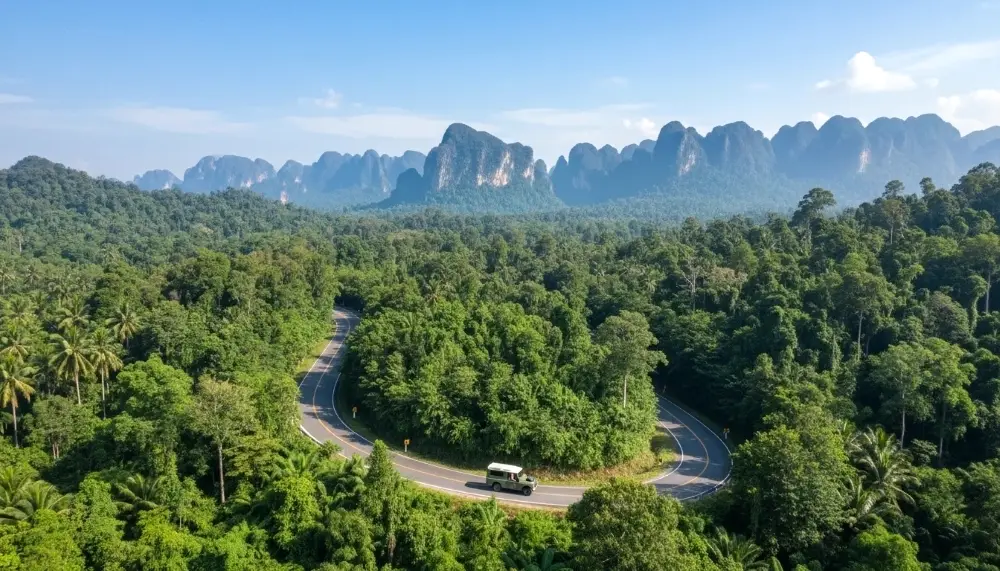
Renting a scooter in Chiang Mai is easy. A standard 125cc automatic costs 200 to 300 THB (~$6 to $9) per day from guesthouses and independent rental shops on Moonmuang Road. A 150cc semi-automatic or Honda Click runs 300 to 400 THB (~$9 to $11) per day. For the loop, which covers roughly 600 kilometres over four to five days, expect to spend 1,200 to 2,000 THB (~$34 to $57) on rental alone.
Fuel for a 125cc over 600 kilometres costs approximately 500 to 700 THB (~$14 to $20) depending on how aggressively you ride the mountain sections. Petrol stations are plentiful between Chiang Mai and Pai. Between Pai and Mae Hong Son the gaps widen, and between Mae Hong Son and Mae Sariang you will want to fill up at every opportunity. Running dry on a mountain pass is not a situation with an easy resolution.
The deposit is where budgets take an unexpected hit. Most Chiang Mai rental shops require a cash deposit of 3,000 to 5,000 THB (~$86 to $143) or, increasingly, your passport. Never surrender your passport as a deposit. If a shop insists, walk to the next one. Some higher-end rental agencies take a credit card hold of 10,000 THB (~$286) instead. This money is returned on safe return of the bike, but any damage, however minor, is deducted at the shop’s discretion and their repair pricing is rarely market rate.

Skip the planning headache in Mae Hong Son.
Klook offers day tours, tickets, and
experiences from around $25, with
instant confirmation to your phone.
The Safety Conversation Nobody Wants to Have
Thailand’s road fatality rate is among the highest in the world, and northern mountain roads account for a disproportionate share of tourist incidents. The Mae Hong Son Loop is not a leisurely country lane. The 1,864 curves are not a marketing number invented to sound exciting. They are a real count, and a significant proportion of them are tight, blind, and cambered toward the drop rather than away from it.
The most common crash profile is not the fearless rider who takes corners at speed. It is the moderately confident rider who is fine for the first two hours, tires on the third, and misjudges a downhill switchback on the descent into Mae Hong Son because their forearms have been locked at the same angle since Pai. Mountain riding is fatiguing in ways flat roads are not.
Standard travel insurance frequently excludes motorbike accidents unless the rider holds a valid motorcycle licence for the engine size being ridden. Most tourists do not hold a Thai or international motorcycle licence. Most do not know their policy excludes them. SafetyWing is the most transparent option for long-stay travellers and digital nomads, with nomad health plans covering emergency treatment, hospitalisation, and evacuation from approximately $45 USD per month. Read the policy before you rent, not after you fall.
A broken collarbone in a Pai clinic, which is the single most common tourist injury on this route, costs roughly 25,000 to 60,000 THB (~$714 to $1,714) uninsured. That sum reframes the economics of the scooter option considerably.

Skip-the-line tickets and guided walks
in Mae Hong Son with English-speaking
guides. Read real traveller reviews
before committing to a single one.
Pro Tips: Renting a Scooter Safely in Chiang Mai

Choose your rental shop carefully. Tony’s Big Bikes and Mr Mechanic on Moonmuang Road are consistently recommended by long-term riders for transparent deposit terms, well-maintained bikes, and honest damage assessments on return. Avoid shops that are reluctant to walk the bike with you before you leave.
Photograph everything. Before you leave the shop, photograph every panel, the exhaust, the underside of the handlebars, and both tyres on a phone with timestamps. This is your only protection against phantom damage claims on return.
Connectivity matters. Google Maps works on the loop but requires data. Offline maps downloaded in advance are essential for the stretches between Mae Hong Son and Mae Sariang where signal drops. Activate your Airalo, Yesim, or Saily eSIM before leaving Chiang Mai and download the relevant map tiles the night before each riding day.
Pack light and pack waterproof. A dry bag or waterproof pannier liner costs 150 to 300 THB (~$4 to $9) at any Chiang Mai outdoor shop. The mountain sections above Mae Hong Son receive rain without warning year-round. Wet luggage on a hot engine is a misery that is entirely avoidable.

Forget swapping physical SIMs in Mae Hong Son.
Yesim works on most modern phones,
activates remotely, and keeps your
home number live on WhatsApp too.
The Car Option: Private Driver and Guided Tours
A private car with driver for the full Mae Hong Son Loop, departing and returning to Chiang Mai over four to five days, costs 12,000 to 22,000 THB (~$343 to $629) total depending on vehicle type, number of stops, and whether meals are included. Split across four passengers, that is 3,000 to 5,500 THB (~$86 to $157) per person, which is directly comparable to the all-in scooter cost without any of the physical risk.
For families travelling with children, the calculation is not even close. Two adults and two children on two scooters in mountain conditions is an arrangement that requires no further analysis. A comfortable air-conditioned vehicle with a driver who knows every hairpin on the route, where to stop for the best noodles in Mae Sariang, and how to handle the road closures that appear without warning during wet season is simply the correct choice.
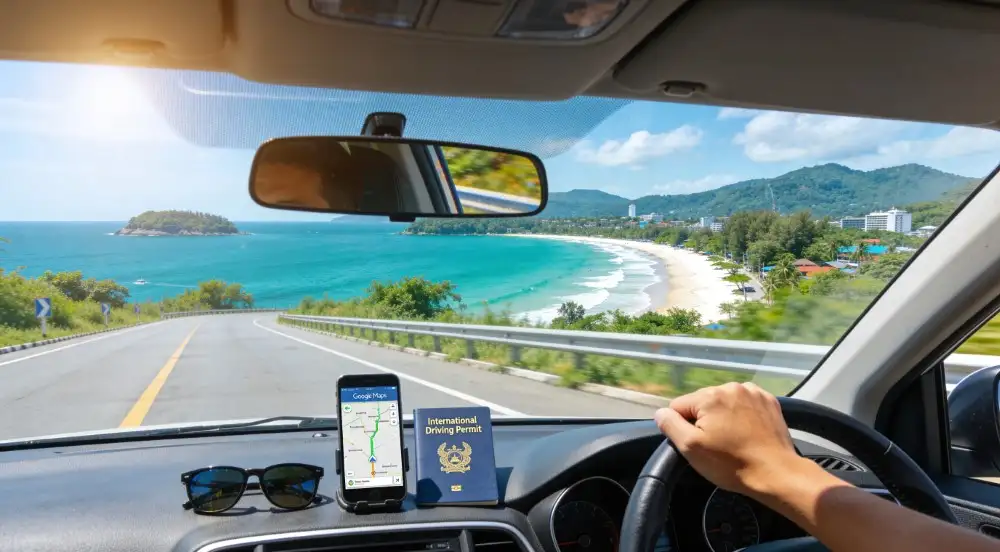
Self-drive car rental is also available. Discover Cars lists a solid range of vehicles from Chiang Mai for the loop, typically starting from 1,200 to 2,000 THB (~$34 to $57) per day for a small hatchback or SUV. This makes particular sense for couples or small groups who want flexibility without a guide but prefer four wheels to two. An SUV with good ground clearance is worth the marginal extra cost if you plan to take any of the unpaved detours toward hilltribe villages off the main loop road.
Full guided packages, which include accommodation, meals, vehicle, driver, and cultural commentary at key stops, are bookable through Viator and typically run from 15,000 to 28,000 THB (~$429 to $800) per person for a four to five day itinerary. These are best suited to first-time visitors to northern Thailand who want context alongside convenience, and to corporate or incentive travel groups where the cultural narrative is part of the value.
The Loop Route: Key Stops and What They Cost
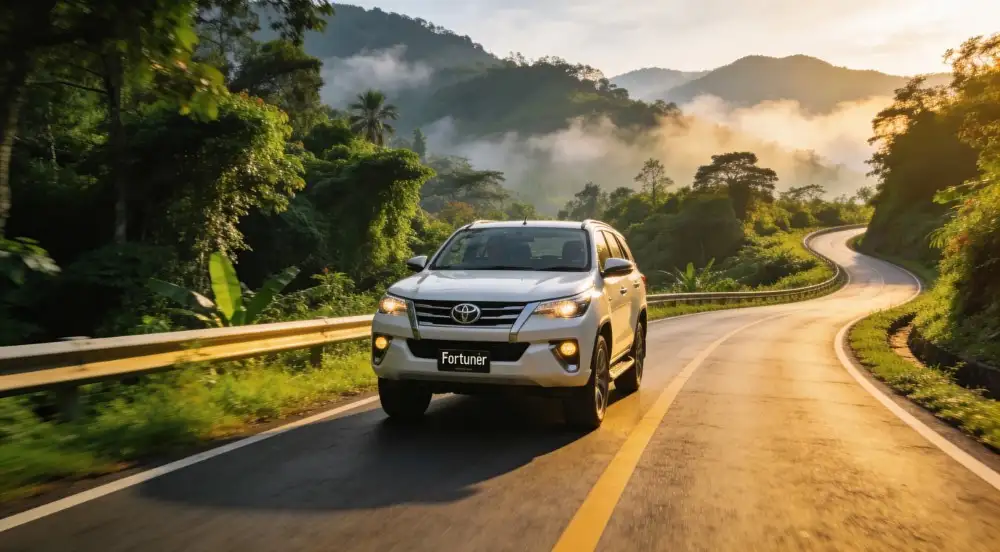
The standard clockwise loop runs Chiang Mai to Pai (130km), Pai to Mae Hong Son (110km), Mae Hong Son to Mae Sariang (164km), and Mae Sariang back to Chiang Mai (191km). Each leg has a distinct character and a distinct set of costs.
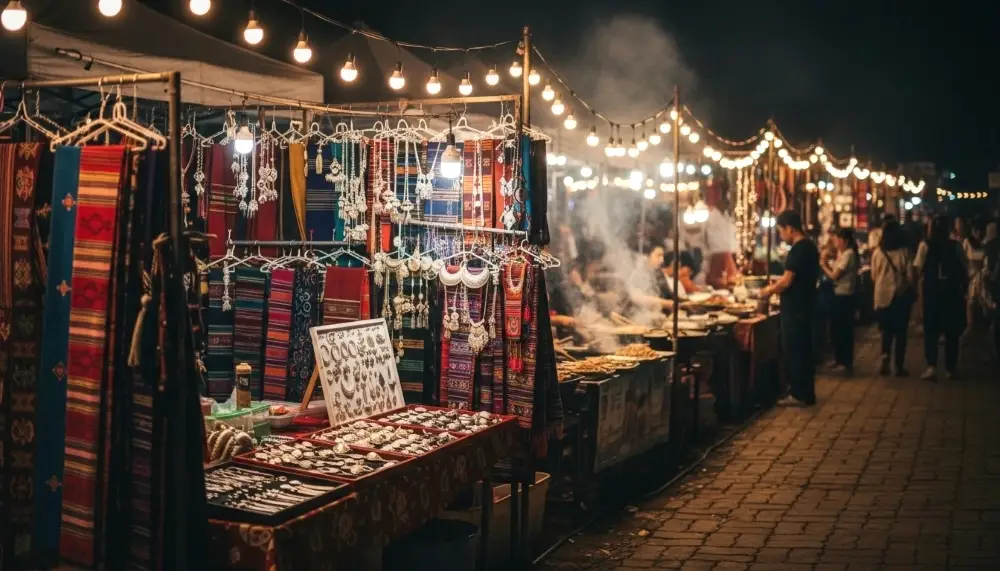
Pai is the most tourist-developed stop. Guesthouses range from 350 THB (~$10) per night for a fan room to 2,500 THB (~$71) for a boutique riverside bungalow. The town has ATMs, good coffee, and a lively night market where a full meal costs 80 to 150 THB (~$2.30 to $4.30). It has also become very busy. If your goal is genuine mountain solitude rather than backpacker social infrastructure, Pai is the compromise stop rather than the destination.
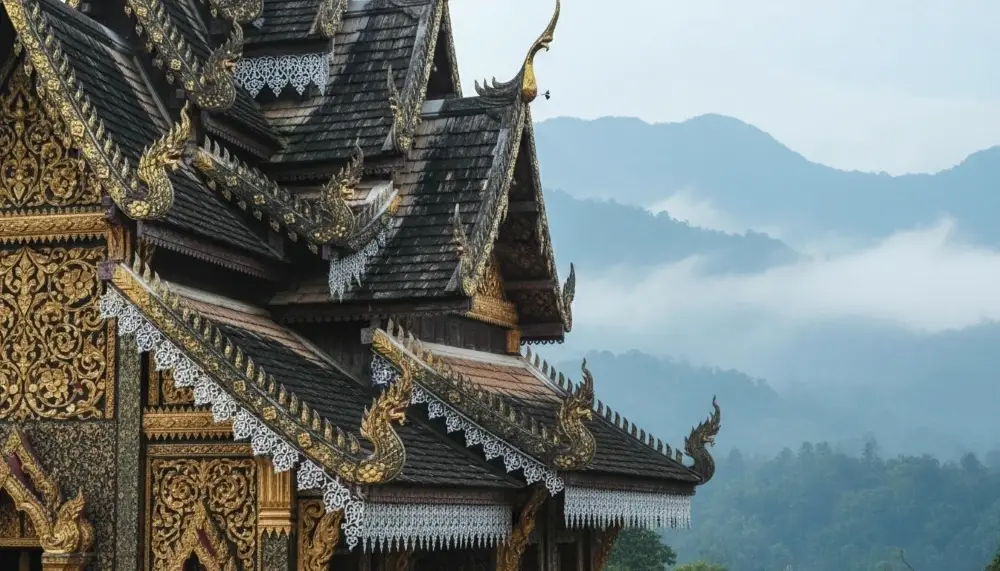
Mae Hong Son is quieter, more authentic, and genuinely beautiful at dawn when mist fills the valley and the twin chedis of Wat Jong Kham and Wat Jong Klang reflect in the lake below. Guesthouses here average 500 to 1,200 THB (~$14 to $34) per night. Entry to the lakeside temples is free. A longtail boat to the nearby Padaung village costs 400 to 600 THB (~$11 to $17) per boat.
Mae Sariang is the least visited stop and arguably the most rewarding for that reason. It sits on the Salween River with a relaxed riverside cafe scene and almost no tourist infrastructure beyond a handful of excellent guesthouses in the 400 to 800 THB (~$11 to $23) per night range. The road south from Mae Hong Son through this section is where the loop earns its reputation: long descents, dense forest, and almost no other traffic.
Accommodation Costs Along the Loop
| Stop | Budget (THB) | Mid-Range (THB) | Budget (USD) | Mid-Range (USD) |
|---|---|---|---|---|
| Pai | 350 to 600 | 900 to 2,500 | ~$10 to $17 | ~$26 to $71 |
| Mae Hong Son | 500 to 800 | 1,000 to 2,200 | ~$14 to $23 | ~$29 to $63 |
| Mae Sariang | 400 to 600 | 700 to 1,400 | ~$11 to $17 | ~$20 to $40 |
For mid-range and premium accommodation across the loop, Agoda consistently offers the best locally negotiated rates and is particularly strong for the boutique riverside properties in Pai and Mae Hong Son that book out three to four weeks ahead between November and February. Booking.com is the better fallback for last-minute availability at the budget end in Mae Sariang.
Who Should Choose Which Option
The honest answer is that the right choice depends less on budget and more on experience, group composition, and what you actually want from the road.
Choose the scooter if: you have genuine motorcycle experience on mountain roads, you hold a valid licence for the bike size, you are travelling solo or with one experienced pillion, you have confirmed travel insurance that covers motorcycle riding, and the freedom to stop at will is central to why you are doing this trip at all. The loop on a well-maintained bike in good weather, with early starts and conservative pacing, is one of the finest riding experiences in Southeast Asia.
Choose the car if: you are travelling with children, you are not an experienced rider, you want to look at the scenery rather than the road surface, you are a group of three or four splitting costs, or you simply do not want the cognitive load of navigating mountain switchbacks while simultaneously managing luggage, weather, and a fuel gauge. A good driver doubles as a cultural guide in ways no amount of pre-read blog posts can replicate.
Choose the self-drive car if: you want flexibility without a guide and are comfortable driving on Thai roads. Book via Discover Cars for the widest vehicle selection from Chiang Mai and confirm that your booking includes full collision coverage for mountain terrain before you sign anything.
Getting to Chiang Mai and Practical Logistics
Budget airlines including AirAsia and Thai Lion Air operate Bangkok to Chiang Mai from 1,200 to 2,500 THB (~$34 to $71) booked in advance. The overnight train from Bangkok’s Hua Lamphong station costs around 1,000 THB (~$29) for a sleeper berth and is a perfectly comfortable way to arrive rested. Book rail and bus tickets through 12GO to compare schedules and lock in seats ahead of national holiday periods when northern routes fill quickly.
On arrival in Chiang Mai, download Grab before you leave the airport. The app requires SMS network verification, and the easiest way to handle this without delay is to have your Airalo, Yesim, or Saily eSIM already active before the plane lands. For families arriving with significant luggage ahead of a multi-day loop trip, Welcome Pickups offers fixed-price airport transfers to your hotel without the metered taxi negotiation.
If you are combining the Mae Hong Son Loop with broader digital nomad travel and plan to work from guesthouses along the route, Wi-Fi quality is inconsistent outside Pai. Download offline work files and project assets before leaving Chiang Mai. Running NordVPN on guesthouse networks is sensible standard practice for keeping banking and client data secure on shared connections.
If your inbound or onward flight is disrupted, particularly on European-origin routes connecting through Bangkok, AirHelp handles eligible compensation claims and is worth bookmarking before any multi-leg journey to northern Thailand.
The True Total: Full Cost Summary
| Item | Scooter Solo (THB) | Car Tour Per Person x4 (THB) | Scooter Solo (USD) | Car Tour Per Person x4 (USD) |
|---|---|---|---|---|
| Vehicle (5 days) | 1,500 | 4,250 | ~$43 | ~$121 |
| Fuel | 600 | Included | ~$17 | Included |
| Insurance (SafetyWing) | 1,575 | 1,575 | ~$45 | ~$45 |
| Accommodation (4 nights) | 2,400 | 2,400 | ~$69 | ~$69 |
| Food (4 days) | 1,600 | 1,600 | ~$46 | ~$46 |
| Activities and entry fees | 600 | 600 | ~$17 | ~$17 |
| Total (excluding flights) | 8,275 | 10,425 | ~$237 | ~$298 |
The gap narrows considerably once insurance and realistic food and activity costs are included. For groups of three or four, the car tour total per person drops below the solo scooter total. The scooter wins on solo budget travel and on freedom. The car wins on safety, comfort, and group value.
Frequently Asked Questions:
How long does the Mae Hong Son Loop take?
Most riders and drivers complete the loop in four to five days at a comfortable pace with stops. Three days is possible but leaves little time for anything beyond riding. Five days allows proper exploration of Mae Hong Son and Mae Sariang without rushing the mountain sections.
Do I need a motorcycle licence to rent a scooter in Chiang Mai?
Thai law requires a valid licence for the engine size being ridden. Most rental shops do not check, but your travel insurance almost certainly will if you need to make a claim. Riding without a licence on a policy that excludes it leaves you personally liable for medical costs that can reach 25,000 to 60,000 THB (~$714 to $1,714) or significantly more for serious injuries.
What is the best time of year to do the Mae Hong Son Loop?
November to February is the dry season with cool mornings, clear mountain views, and firm road surfaces. March to May brings heat and occasional haze from agricultural burning in the valleys. June to October is wet season, when road surfaces become unpredictable and some mountain sections close after heavy rain. The loop is rideable year-round but the dry season window is significantly safer and more enjoyable.
How much fuel does the Mae Hong Son Loop use?
A standard 125cc automatic uses approximately 3 to 4 litres per 100 kilometres. Over the roughly 600km loop that is 18 to 24 litres total, costing 500 to 700 THB (~$14 to $20) at current pump prices. Fill up at every opportunity between Mae Hong Son and Mae Sariang where station gaps are longest.
Is the Mae Hong Son Loop suitable for families with children?
Not by scooter, with young children. By private car or guided vehicle, absolutely. The scenery is spectacular and the cultural stops at hilltribe villages and lakeside temples in Mae Hong Son are genuinely engaging for children of most ages. Book a private car tour through Viator or arrange a private driver through your Chiang Mai guesthouse for the most flexible family itinerary.
Can I do the loop in a rental car rather than on a scooter?
Yes. Discover Cars lists vehicles from Chiang Mai suitable for the loop, starting from around 1,200 to 2,000 THB (~$34 to $57) per day. An SUV or crossover is preferable for the road surface quality on some sections. Confirm full collision coverage is included before signing. The road is paved for the entire main loop route.
What happens if my scooter breaks down on the loop?
Your rental shop is responsible for mechanical breakdowns on a properly maintained bike. Confirm their breakdown policy before you leave Chiang Mai and save the shop number in your phone. For damage caused by an accident, you are liable for repair costs up to your deposit value. Rider error and tyre blowouts from road debris are the most common non-mechanical issues.
Are there ATMs along the Mae Hong Son Loop?
Pai has multiple ATMs. Mae Hong Son town has several. Mae Sariang has limited banking infrastructure. Thai ATMs charge a flat 220 THB (~$6.30) fee per foreign card withdrawal regardless of amount, so withdraw larger sums less frequently. Carry sufficient cash before leaving each main town for the road sections between.
What is included in a guided Mae Hong Son Loop tour?
Guided packages vary but typically include vehicle, driver, fuel, accommodation, some meals, and stops at key cultural sites including Pai’s hot springs, the Shan temples of Mae Hong Son, and riverside communities in Mae Sariang. Full guided packages through Viator run from 15,000 to 28,000 THB (~$429 to $800) per person for four to five days and are best suited to first-time visitors wanting cultural context alongside convenience.
Is travel insurance mandatory for the Mae Hong Son Loop?
Not legally, but practically it is essential. SafetyWing’s nomad health plan covers emergency treatment, hospitalisation, and evacuation from approximately $45 USD per month and is the most transparent option for travellers who plan to ride motorcycles. Read the policy exclusions before you rent, not after an incident. Standard backpacker policies frequently exclude motorbike riding entirely if no licence is held.