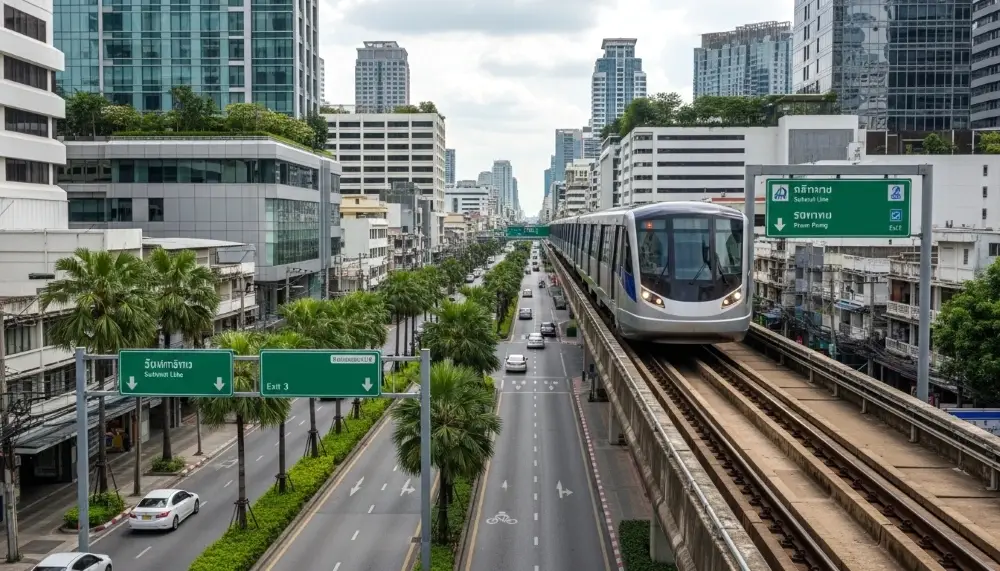
Bangkok to Surat Thani Sleeper Train: Train #85 vs. #167 Compared
This site contains affiliate links. We may earn a commission at no extra cost to you.
There is something quietly brilliant about boarding a sleeper train in Bangkok and waking up with the Gulf of Thailand shimmering through the window, ready to catch a ferry to Koh Samui, Koh Phangan, or Koh Tao before most tourists have even finished their hotel breakfast. This guide breaks down the two trains that actually matter for the overnight run south: Train #85 and Train #167. All prices use a baseline of 35 THB = $1 USD.
The journey covers 651 kilometres from Bangkok’s Krung Thep Aphiwat Central Terminal (Bang Sue Grand) to Surat Thani station, taking between 10.5 and 13.5 hours depending on the service. The key difference between these two trains is not just price. It is the entire experience: carriage age, available classes, stop frequency, and how well you will sleep. Book your tickets in advance through 12GO to lock in lower berths before they disappear, especially during Thai public holidays and the Full Moon Party surge periods.
Quick Answer: Which Train Should You Take?
Both trains are a genuine overnight adventure, but they serve different travellers:
- Train #85 (Express): Departs 17:05, arrives Surat Thani ~06:25. Air-conditioned 1st and 2nd class sleepers. Connects directly to morning ferries. The top pick for most travellers.
- Train #167 (Rapid): Departs 17:35, arrives Surat Thani ~07:45. Slower, more stops, lower fares. A fan sleeper option exists. Best for tight budgets or when #85 is fully booked.
- Both trains: Depart from Krung Thep Aphiwat Central Terminal. Both arrive in time for onward ferries to the Gulf islands.
- Booking: Use 12GO to compare live availability and lock in berths up to 60 days ahead.
Budget baseline: Plan for 800 to 1,800 THB (~$23 to $51) for the sleeper ticket, plus 150 to 300 THB (~$4.30 to $8.60) for food and ferry transfers onward.


Skip the bus-station queue for Bangkok.
Book online with 12Go, get an
e-ticket, and show it on arrival.
Refunds available on most routes.
Train #85 vs. #167: Head-to-Head Comparison
| Feature | Train #85 (Express) | Train #167 (Rapid) |
|---|---|---|
| Departure (Bangkok) | 17:05 | 17:35 |
| Arrival (Surat Thani) | ~06:25 (+1) | ~07:45 (+1) |
| Journey Time | ~13 hours | ~14.5 hours |
| Train Type | Express | Rapid |
| 1st Class AC Private Cabin | Yes (1,500 to 1,800 THB / ~$43 to $51) | No |
| 2nd Class AC Sleeper | Yes (820 to 1,100 THB / ~$23 to $31) | Yes (700 to 900 THB / ~$20 to $26) |
| 2nd Class Fan Sleeper | Yes (600 to 800 THB / ~$17 to $23) | Yes (500 to 700 THB / ~$14 to $20) |
| Restaurant Car | Yes | Food trolley only |
| Carriage Age | Older Daewoo / Japanese-built | Older Thai SRT stock |
| Stops | Fewer (express routing) | More (local stops) |
| Ferry Connection (Koh Samui) | Excellent (hits morning ferries) | Good (slightly later) |
| Book via 12GO | Yes | Yes |
Getting to Krung Thep Aphiwat Central Terminal
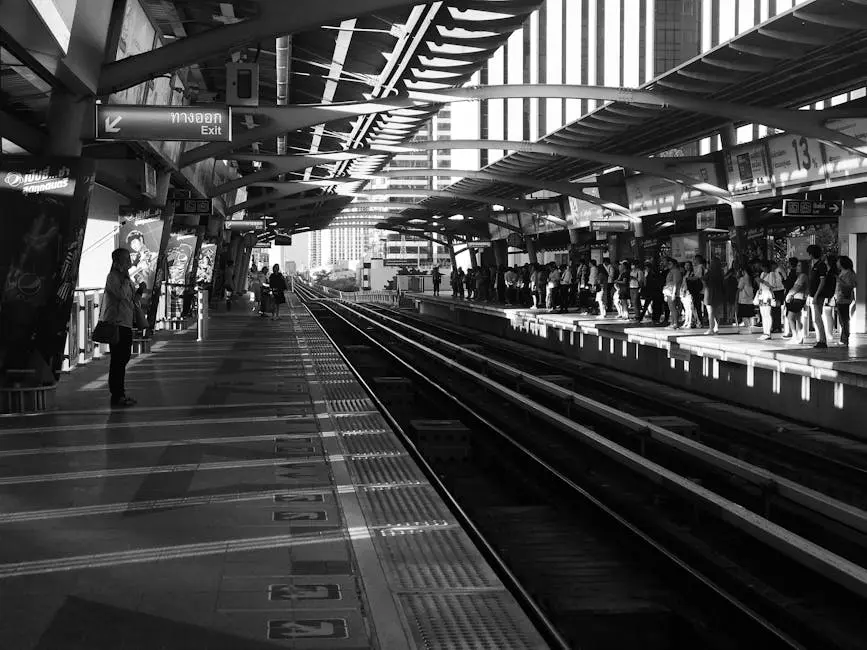
Bangkok’s main long-distance station is Krung Thep Aphiwat Central Terminal (Bang Sue Grand), which replaced the old Hua Lamphong as the primary southern departure hub. It is directly connected to the MRT Blue Line (Bang Sue station) and is large enough to require a solid 30 to 40 minutes before departure to navigate platforms and find your carriage.
Both Train #85 and Train #167 depart here. The station has food stalls, convenience stores, and proper sit-down restaurants in the ground-level concourse, so arriving early to eat before boarding is easy and practical. A Grab ride from Sukhumvit takes around 30 to 45 minutes depending on traffic, costing roughly 150 to 250 THB (~$4.30 to $7.15). Before you leave your hotel, activate your Airalo, Yesim, or Saily eSIM plan, since Grab requires SMS verification codes that need instant mobile data to process at the station.

Skip the rank queue in Bangkok.
Welcome Pickups confirm in advance,
track your flight, and meet you
at arrivals with a name sign.
Train #85: The Express Workhorse of the South
Train #85 is the default recommendation for most travellers heading to the Gulf islands. It departs Bangkok at 17:05 and arrives at Surat Thani at approximately 06:25 the following morning, placing you on the station platform just as the shuttle buses for Donsak Pier are loading. For Koh Samui and Koh Phangan, that timing is almost perfectly engineered.
The carriages are older Daewoo or Japanese-built SRT stock with genuine character: slightly softer foam berths than the newer Chinese-built trains, a warmer atmosphere, and corridor windows that catch the landscape properly. The plumbing is functional but basic. What sets #85 apart from #167 is the availability of 1st class private cabins and a proper restaurant car serving hot Thai dishes throughout the evening.
Book #85 through 12GO as early as possible, especially during the weeks surrounding the Full Moon Party on Koh Phangan. First class cabins on this service sell out weeks, sometimes months, in advance.
Train #167: The Budget Rapid Option

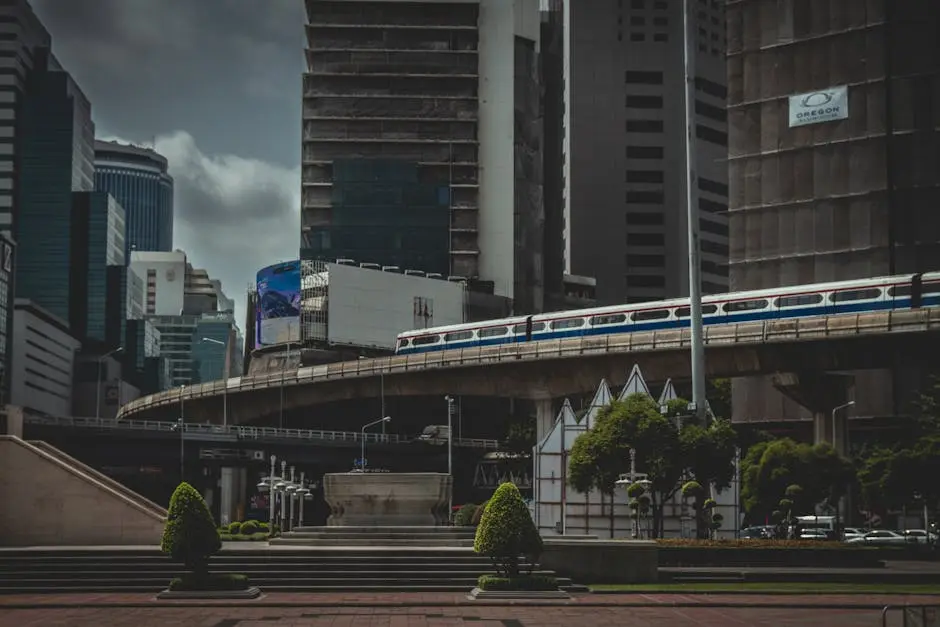
Train #167 departs at 17:35, just 30 minutes after #85, and arrives at Surat Thani at around 07:45. The extra 80 minutes of travel time comes from more intermediate stops, which makes it less efficient for ferry connections but gives it an entirely different rhythm: slower, more local, and noticeably cheaper across all class tiers.
The Rapid classification means it does not carry 1st class private cabins. However, both air-conditioned and fan-cooled 2nd class sleeper berths are available. For budget backpackers or solo travellers who simply want a horizontal surface at the lowest possible cost, the fan sleeper on #167 running at 500 to 700 THB (~$14 to $20) is the best value on the southern network. No restaurant car operates, but a food trolley passes through the carriages during the early hours of the journey, and platform vendors at stops along the way sell noodles, rice boxes, and snacks for 40 to 80 THB (~$1.15 to $2.30).

Skip-the-line tickets and guided walks
in Bangkok with English-speaking
guides. Read real traveller reviews
before committing to a single one.
Cabin Classes Explained: What You Actually Get
Understanding the class system before you book saves real disappointment. Here is exactly what each tier delivers on the Bangkok to Surat Thani route:
1st Class AC Private Cabin (Train #85 only): A two-berth private compartment with a lockable sliding door, individual air conditioning controls, a fold-down wash basin, a small table, and reading lights. Bedding is provided and made up by the attendant. At 1,500 to 1,800 THB (~$43 to $51) per berth, it is genuinely affordable compared to a mid-range hotel room. Couples or travel partners who book both berths get the entire compartment to themselves. Solo travellers will typically share with a stranger.
2nd Class AC Sleeper (both trains): Open-plan carriages with upper and lower berths on both sides of a central aisle. Each berth has a privacy curtain, a small shelf, and a reading light. Lower berths are slightly wider and more desirable; always request one when booking. Air conditioning runs cold, so packing a light layer in your day pack is essential. Berths cost 700 to 1,100 THB (~$20 to $31) depending on the train and berth position.
2nd Class Fan Sleeper (both trains): The same open-plan layout but with ceiling fans instead of air conditioning. Perfectly comfortable from November to February. During the April to October period, the heat can be oppressive after midnight. Costs 500 to 800 THB (~$14 to $23).

Full Price Breakdown: Both Trains, All Classes
| Class | Train #85 (THB) | Train #85 (USD) | Train #167 (THB) | Train #167 (USD) |
|---|---|---|---|---|
| 1st Class AC Private Cabin | 1,500 to 1,800 | ~$43 to $51 | Not available | N/A |
| 2nd Class AC Sleeper (Lower) | 820 to 1,100 | ~$23 to $31 | 750 to 900 | ~$21 to $26 |
| 2nd Class AC Sleeper (Upper) | 700 to 900 | ~$20 to $26 | 600 to 800 | ~$17 to $23 |
| 2nd Class Fan Sleeper (Lower) | 700 to 800 | ~$20 to $23 | 550 to 700 | ~$16 to $20 |
| 2nd Class Fan Sleeper (Upper) | 600 to 700 | ~$17 to $20 | 500 to 600 | ~$14 to $17 |
| 12GO online markup vs. station | +50 to 150 THB | ~+$1.40 to $4.30 | +50 to 150 THB | ~+$1.40 to $4.30 |
The 12GO markup over station price is entirely reasonable for the English-language interface, instant confirmation, and the ability to book from home before your trip rather than queuing at the ticket counter on arrival in Bangkok.
Food on Board: What to Expect
Train #85 has an air-conditioned restaurant car that operates throughout the first few hours of the journey. The menu runs to fried rice (khao pad), pad krapow, noodle soups, and soft drinks. Prices are honest for a train dining car at 80 to 150 THB (~$2.30 to $4.30) per dish. It closes around 22:00 to 23:00, so eating here early rather than relying on it later in the night is the smarter approach.
Train #167 operates a food trolley rather than a full restaurant car. The trolley comes through once or twice in the first few hours with packaged snacks, instant noodles, drinks, and some warm rice boxes. The quality is functional. The recommendation for #167 passengers is to eat properly at the station before boarding and carry snacks from a 7-Eleven: the convenience store is literally inside the terminal concourse at Bang Sue.
For both trains, platform stops along the route, particularly at Thap Sakae and Chumphon, see local vendors boarding briefly with fresh food. These impromptu platform transactions are a genuinely enjoyable part of Thai train travel and cost 40 to 60 THB (~$1.15 to $1.70) per item.

Compare hotel prices across Bangkok’s
best areas and book with confidence.
Filter by budget, location, or score
to find the right stay for your trip.
Luggage Rules and Practical Storage
The State Railway of Thailand does not enforce strict luggage weight limits for sleeper passengers, but the physical reality of overnight carriages creates its own constraints. Space is finite and shared.
In 2nd class open-plan carriages, bags go under the lower berth or on the overhead rack above the upper berth. A 40-litre daypack or carry-on sized case fits comfortably. A 70-litre expedition backpack or full-size rolling suitcase is manageable but creates friction with neighbouring passengers during the overnight hours when berths are made up and the aisle narrows considerably. Keeping your valuables in a compact day pack that stays on your berth with you is strongly advised. Padlocking the main zip of luggage stored overhead or under the berth is sensible practice.
In 1st class private cabins on Train #85, storage is better: luggage goes under the lower berth and the compartment door locks from inside, giving genuine peace of mind for families or anyone carrying camera gear or electronics.


Book Bangkok day trips, attractions,
and activities in one place. Check
real reviews and lock in your spot
before the popular slots go.
What to Pack in Your Day Bag
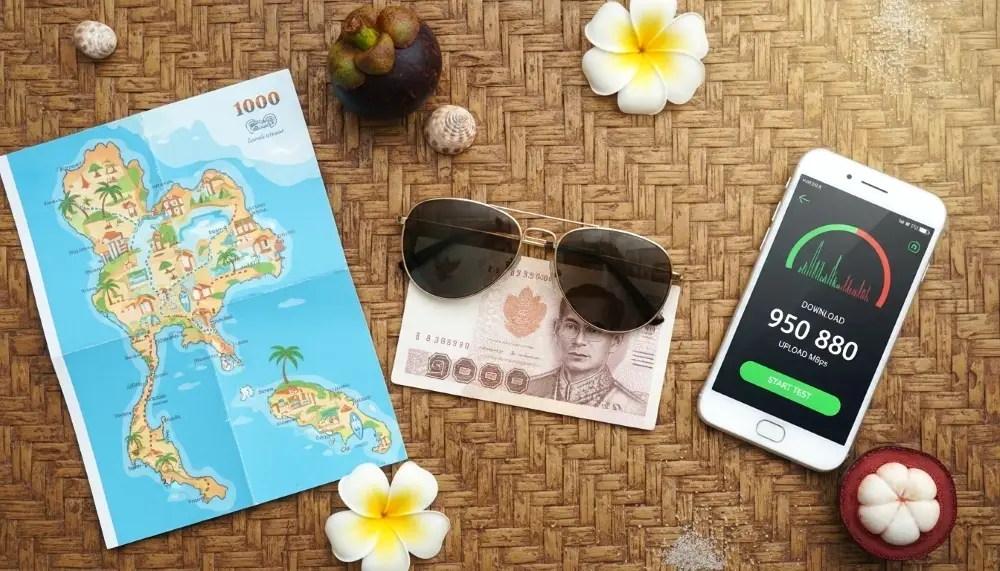
A compact, well-organised day pack is your lifeline on an overnight train. Keep your main luggage locked and stowed, and pull this one onto your berth with you. A good 20 to 30-litre daypack from brands available on Amazon covers everything comfortably, and doubles as your island bag on arrival.
- A lightweight layer or thin fleece (2nd class AC runs cold, especially after midnight)
- Ear plugs and an eye mask (open carriages have ambient noise and light throughout the night)
- A 1.5-litre water bottle (on-board water is available but erratic; a full bottle at departure is the safe play at 15 THB / ~$0.43 from the station 7-Eleven)
- Snacks from the station concourse to supplement the food car or trolley
- Passport or ID kept on your person, not in stowed luggage
- A portable power bank for phones and devices (power sockets are limited and inconsistent in older carriages)
- A padlock for the main zip of your stowed bag
Arriving at Surat Thani: Onward to the Islands
Surat Thani Railway Station is not in the town centre. It sits approximately 14 kilometres west of the city, which means onward logistics require a little planning. This is the moment where booking a combined train and ferry ticket through 12GO genuinely earns its convenience premium: the transfer bus meets the train and deposits you at the correct pier without the need to negotiate separately.
If you are going it alone, here are the connections from Surat Thani station:
- Koh Samui: Shuttle bus from the station to Donsak Pier (~45 minutes, roughly 100 THB / ~$2.85), then Raja Ferry or Seatran Ferry across to Samui (~90 minutes, 200 to 250 THB / ~$5.70 to $7.15). Morning ferries depart from around 07:00 onwards.
- Koh Phangan: Same shuttle to Donsak Pier, then ferry to Thong Sala (~2.5 hours, 250 to 350 THB / ~$7.15 to $10).
- Koh Tao: A better connection runs from Chumphon (a stop Train #85 passes through around 02:00 to 03:00). Some travellers disembark there for the Lomprayah catamaran service to Koh Tao at 07:00, which is faster and more direct than routing through Surat Thani.
- Krabi and Phuket: Minivan transfers operate from outside Surat Thani station. Phantip Travel has an office directly across the road. Minivans to Krabi run roughly every 90 minutes from 09:00; journey time is around 3 hours to the bus terminal.
Families travelling with children, or anyone with significant luggage, should strongly consider booking a Welcome Pickups transfer from Surat Thani station to the ferry pier for a flat-rate, air-conditioned vehicle rather than loading into a packed shuttle bus at 06:30 in the morning heat.

How to Book: Step-by-Step
The State Railway of Thailand opens bookings up to 60 days in advance for long-distance sleeper routes. The easiest booking method for international travellers is 12GO, which aggregates SRT availability in real time with English-language support and a simple payment interface. Here is the recommended process:
- Go to 12GO and enter Bangkok (Krung Thep Aphiwat) to Surat Thani with your travel date.
- Filter by train number (#85 or #167) and select your preferred class and berth position (lower berths are worth the small premium).
- Pay by card or PayPal. Your e-ticket arrives by email instantly.
- Show the e-ticket on your phone at the platform gate or print it. No collection required.
- For combined train and ferry packages to Koh Samui or Koh Phangan, 12GO bundles both legs with the transfer bus included, which removes the most stressful part of the journey.
During Thai public holidays, Songkran (April), and the two or three days before each Full Moon Party, sleeper berths on both #85 and #167 sell out in hours rather than days. Booking six to eight weeks ahead is not excessive for these periods.
Sleeper Train vs. Other Transport Options South
| Option | Approx. Cost | Travel Time | Comfort | Best For |
|---|---|---|---|---|
| Sleeper Train #85 (2nd AC) | 820 to 1,100 THB (~$23 to $31) | ~13 hours overnight | Good | Most travellers |
| Sleeper Train #167 (2nd Fan) | 500 to 700 THB (~$14 to $20) | ~14.5 hours overnight | Basic | Budget backpackers |
| VIP Bus (overnight) | 400 to 700 THB (~$11 to $20) | ~10 to 11 hours | Medium | Price-only priority |
| Flight (Bangkok to Samui) | 1,200 to 3,500 THB (~$34 to $100) | ~1 hour (plus airport time) | Good | Time-pressed travellers |
| Train #85 1st Class Cabin | 1,500 to 1,800 THB (~$43 to $51) | ~13 hours overnight | Excellent | Couples, families, comfort seekers |
The sleeper train wins on experience and on the hidden cost saving of not needing a hotel room for that night. Even the 1st class private cabin at ~$51 per person is competitive when you factor in that you arrive rested and are already in position for the morning ferry, without the airport stress, luggage fees, or overland transfer costs that come with flying.
Pro Tips for a Smooth Journey
A few details separate a comfortable overnight from a frustrating one:
- Arrive 40 minutes early. Krung Thep Aphiwat is a large modern terminal and platform assignments only appear on screens 20 to 30 minutes before departure.
- Book a lower berth. It is slightly wider, has a window, and does not require climbing. The premium is 100 to 200 THB (~$2.85 to $5.70). Worth every baht.
- Build in a delay buffer. Both trains run late with some regularity. A 20 to 30-minute delay is common; plan your ferry connection with at least 90 minutes of buffer at Surat Thani end.
- Stay connected. Activate your Airalo, Yesim, or Saily eSIM before departure, not on arrival in Bangkok. Processing the network verification SMS requires live mobile data from the moment you land, and Grab bookings for the station run depend on it.
- Use NordVPN on the train’s Wi-Fi if your carriage or the station lounge has a network. Public Wi-Fi in Thailand is functional but unsecured, and maintaining access to home banking via a VPN is straightforward and cheap compared to the alternative.
- Set an alarm for 05:45. Both trains pull into Surat Thani roughly between 06:25 and 07:45. The station stop is brief and the platform announcement is only in Thai.

Stay online in Bangkok without the
daily data limits of tourist SIMs.
Yesim’s eSIM offers unlimited 5G
from around $10 for the whole trip.
Staying on the Islands: Where to Book

Once you arrive on the Gulf islands, accommodation ranges from 300 THB ($8.60) dorm beds to 8,000 THB ($229) beachfront villas, with the sweet spot for mid-range comfort sitting between 1,200 and 2,500 THB (~$34 to $71) per night for a private room with air conditioning and a pool. Agoda consistently offers the strongest rates for Thai island resorts, particularly for last-minute bookings, while Booking.com carries better inventory for smaller boutique guesthouses that are not always listed on both platforms.
For remote workers planning a longer stay in the islands, SafetyWing travel medical insurance is worth considering before departure. Standard travel policies from home frequently exclude coverage in Southeast Asia beyond a set number of days, and a medical evacuation from Koh Phangan is not cheap without it. Long-stay digital nomads should also note that the island co-working scene, particularly on Koh Samui, runs on shared Wi-Fi, which is exactly where a NordVPN subscription earns its keep for secure access to work platforms and home banking.
Frequently Asked Questions:
What is the difference between Train #85 and Train #167 on the Bangkok to Surat Thani route?


Train #85 is an Express service departing at 17:05, arriving Surat Thani at approximately 06:25. It carries 1st class private AC cabins, 2nd class AC sleepers, 2nd class fan sleepers, and a restaurant car. Train #167 is a Rapid service departing at 17:35, arriving around 07:45. It does not have 1st class cabins, offers a food trolley rather than a restaurant car, and makes more intermediate stops. #85 is the better pick for most travellers; #167 is the budget alternative when #85 is fully booked.


How much does the Bangkok to Surat Thani sleeper train cost in 2026?


Prices depend on class and berth position. On Train #85: 1st class private cabin costs 1,500 to 1,800 THB (~$43 to $51); 2nd class AC sleeper runs 700 to 1,100 THB (~$20 to $31); 2nd class fan sleeper is 600 to 800 THB (~$17 to $23). Train #167 is slightly cheaper across all tiers. Booking through 12GO adds a convenience markup of 50 to 150 THB (~$1.40 to $4.30) over station price, which is worth it for the English-language interface and instant e-ticket.


How far in advance should I book the sleeper train to Surat Thani?


The State Railway of Thailand opens bookings 60 days ahead for long-distance sleeper routes. For normal travel periods, booking two to three weeks ahead is sufficient. For Full Moon Party weekends on Koh Phangan, Songkran (April), and Thai public holidays, first class cabins and lower berths on Train #85 sell out weeks in advance. Booking six to eight weeks ahead for these dates is the safe approach. Use 12GO to check live availability.


Which station in Bangkok do the Surat Thani sleeper trains depart from?


Both Train #85 and Train #167 depart from Krung Thep Aphiwat Central Terminal (Bang Sue Grand Station), which replaced Hua Lamphong as Bangkok's primary long-distance hub. It is directly connected to the MRT Blue Line at Bang Sue station. Arrive at least 40 minutes before departure as the terminal is large and platform assignments only appear on screens 20 to 30 minutes before the train leaves.


Does the overnight train arrive in time for the morning ferries to Koh Samui and Koh Phangan?


Yes, for both trains. Train #85 arrives at approximately 06:25, connecting well to morning shuttle buses for Donsak Pier where ferries to Koh Samui and Koh Phangan depart from around 07:00 onwards. Train #167 arrives around 07:45, which connects to slightly later ferry departures. Build in at least 90 minutes of buffer for delays. Booking a combined train and ferry ticket through 12GO includes the transfer bus and removes the guesswork entirely.


Is there food available on the Bangkok to Surat Thani sleeper trains?


Train #85 has an air-conditioned restaurant car serving hot Thai dishes (80 to 150 THB / ~$2.30 to $4.30 per dish) during the first few hours of the journey, usually until around 22:00 to 23:00. Train #167 operates a food trolley only. On both trains, platform vendors board briefly at stops like Chumphon selling noodles and rice boxes for 40 to 60 THB (~$1.15 to $1.70). The recommendation is to eat a proper meal at Bang Sue station before boarding and carry snacks for later.


What is a 1st class private cabin like on Train #85?


A 1st class private cabin is a two-berth enclosed compartment with a lockable sliding door, individual air conditioning, a fold-down wash basin, a small side table, and reading lights. Bedding is provided and made up by the carriage attendant. At 1,500 to 1,800 THB (~$43 to $51) per berth, it is genuinely good value compared to a night in a hotel. Solo travellers booking a single berth typically share the compartment with a stranger; couples or travel partners who book both berths get the space to themselves.


Are there luggage restrictions on the Bangkok to Surat Thani overnight train?


The State Railway of Thailand does not enforce strict weight limits for sleeper passengers, but space is the real constraint. In 2nd class open-plan carriages, bags go under the lower berth or on the overhead rack. A 40-litre daypack or carry-on case fits comfortably. A 70-litre expedition backpack is manageable but awkward once berths are made up and the aisle narrows. Keep valuables in a compact day pack on your berth with you, and use a padlock on stowed luggage for added security.


Is the Bangkok to Surat Thani sleeper train better than flying or taking a bus?


For most travellers, yes. The sleeper train saves a night of accommodation costs, is significantly more comfortable than an overnight bus, and avoids the airport logistics of flying. A 2nd class AC berth on Train #85 at around 900 THB (~$26) is cheaper than most hotels and gets you to the ferry pier at the ideal time for the islands. Flights win only on time for those with very limited schedules. The 1st class private cabin at ~$43 to $51 competes directly with budget hotels and arrives you rested.


Can I travel from Surat Thani station to Phuket or Krabi directly?


There is no direct train connection from Surat Thani to Phuket or Krabi. From Surat Thani station, Phantip Travel operates minivan services: to Krabi roughly every 90 minutes from 09:00 (3-hour journey), and to Phuket Bus Terminal 1 with departures from their town office every hour from 09:00 to 17:00 (4.5-hour journey). The Phantip Travel office is directly across the road from Surat Thani station. Families or travellers with luggage should consider a Welcome Pickups transfer for a more comfortable private transfer to the minivan depot or pier.