Sam Phan Bok Guide: How To Get From Bangkok To Ubon Ratchathani: Bus vs. Train vs. Flight
This site contains affiliate links. We may earn a commission at no extra cost to you.
Sam Phan Bok does not appear on most people’s Thailand itinerary. It should. Known as Thailand’s Grand Canyon, this stretch of the Mekong River near Ubon Ratchathani exposes thousands of bizarre volcanic rock formations, carved pools, and wind-sculpted canyons that only emerge during the dry season between October and March. The journey from Bangkok is the first question to answer, and the options differ enough that choosing the wrong one can cost you a full day you did not plan to lose.
This guide breaks down all three routes honestly: overnight sleeper train, low-cost flight, and long-distance bus. All prices use a rate of 35 THB = $1 USD.
Quick Answer: Which Route Should You Take?
The right answer depends almost entirely on what you value most: your wallet, your time, or the quality of the journey itself.
- Overnight sleeper train: Best overall. Saves a night’s accommodation, comfortable, and arrives in the city centre. From 638 THB (~$18) for a second-class berth.
- Budget flight: Best for speed. Bangkok to Ubon takes under 1 hour 20 minutes. From around 1,100 THB (~$31) booked in advance, but add airport transfer costs.
- Bus: Best for cost. Cheapest option from 400 THB (~$11), but 9 to 11 hours overnight on a coach is a harder ask than the train.
All three routes can be booked on 12GO, which compares operators, departure times, and classes side by side. Booking ahead matters: sleeper berths and budget flight seats at low fares both disappear fast, particularly during October and November when Sam Phan Bok draws the largest visitor numbers.

Compare every route to Ubon:
sleeper bus, train, or ferry, all
priced and reviewed in one place.
No guessing which operator is safe.
Route Comparison At A Glance:
| Route | Duration | Cost (THB) | Cost (USD) | Arrives | Best For |
|---|---|---|---|---|---|
| Overnight sleeper train | ~11 to 12 hours | 638 to 1,313 THB | ~$18 to $37 | City centre station | Best overall value |
| Budget flight | ~1h 20min flying | 1,100 to 3,500 THB | ~$31 to $100 | Airport, 6km from city | Speed, time-poor travellers |
| Overnight VIP bus | ~9 to 11 hours | 400 to 750 THB | ~$11 to $21 | Bus terminal, central | Tightest budgets |
| Daytime express train | ~10 to 11 hours | 230 to 580 THB | ~$6.57 to $16.57 | City centre station | Scenic route, slow travel |
The Overnight Sleeper Train: The Smart Choice
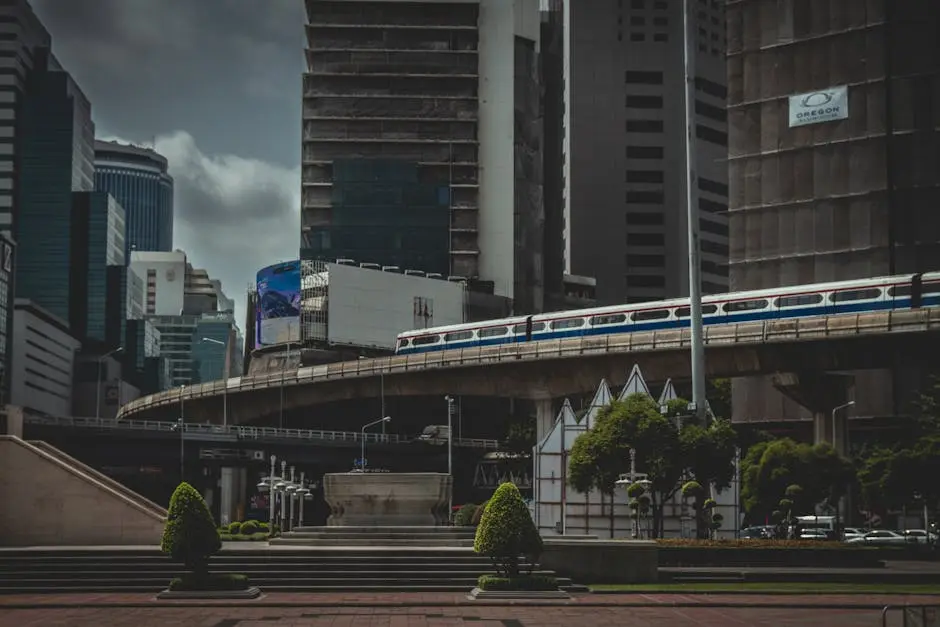
The State Railway of Thailand runs two overnight services on the Bangkok Hua Lamphong to Ubon Ratchathani line. The most useful is Train 21, departing Hua Lamphong at 21:05 and arriving Ubon at 08:55 the following morning. A second service, Train 67, departs slightly later and arrives mid-morning. Both are second-class air-conditioned sleeper trains with upper and lower berths.
The economics of this route are genuinely compelling. A second-class lower berth costs 838 THB (~$23.94). An upper berth is slightly cheaper at 638 THB (~$18.22). First-class two-berth cabins with a door are available from around 1,313 THB (~$37.51) per person. Compare those figures to a night in a Ubon guesthouse (350 to 600 THB / ~$10 to $17) and the overnight train effectively pays for itself while also moving you 575 kilometres northeast.
The berths fold out from facing seats after around 21:00. Bedding is provided. A dining car operates until around midnight with basic Thai dishes from 80 to 150 THB (~$2.28 to $4.28). The train is air-conditioned, but carriages can get cold overnight. A light layer is worth packing.
Book both the outbound and return legs on 12GO well in advance. Lower berths in second class sell out first, often within days of a new booking window opening during peak season. 12GO shows real-time seat availability across all classes and lets you lock in the berth type you want without visiting Hua Lamphong station in person.

Lock in top-rated Ubon tours with
GetYourGuide’s free cancellation
up to 24 hours before. Reserve now
and pay later if dates aren’t set.
Sleeper Train: What To Expect Onboard
Thai second-class sleepers are better than most first-timers expect. The berths are long enough for most adults (roughly 190cm in length), the mattress pad and pillow are thin but usable, and curtains provide adequate privacy. Lower berths have a window beside the head and tend to feel less claustrophobic, which is why they command the premium price.
Upper berths are fine for anyone comfortable with a moderate climb. They do sway more noticeably at speed, which bothers some people and helps others sleep. The carriage bathrooms are basic squat-style Thai toilets at one end, with a Western-style option at the other. Both are functional and cleaned periodically through the night.
- Lower berth (2nd class, A/C): 838 THB (~$23.94)
- Upper berth (2nd class, A/C): 638 THB (~$18.22)
- First class cabin (per person): from 1,313 THB (~$37.51)
- Dining car meals: 80 to 150 THB (~$2.28 to $4.28)
First class is a genuine step up: two-berth private cabins with a lockable door, fold-down table, and dedicated reading lights. For couples or anyone who values complete privacy on the overnight leg, it is worth the extra 475 THB (~$13.57) over a lower second-class berth. Book first class on 12GO the same way as second class, selecting your preferred class during the booking flow.
Flying to Ubon Ratchathani: When It Makes Sense
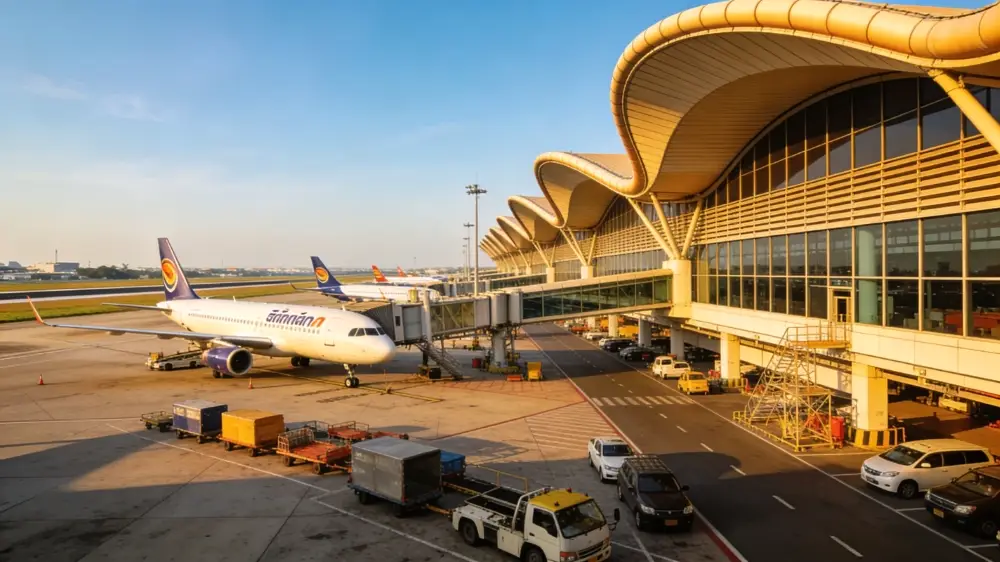
Bangkok to Ubon Ratchathani by air is served primarily by Thai AirAsia and Thai Lion Air from Don Mueang Airport. Flight time is 1 hour 15 to 1 hour 25 minutes. On the surface, this looks like the obvious choice. In practice, the total door-to-door time calculation changes things significantly.
To reach Don Mueang from central Bangkok you need at least 60 to 90 minutes by public bus or Grab, accounting for traffic. Check-in for budget carriers closes 45 minutes before departure. The flight itself is 80 minutes. Ubon Ratchathani Airport sits roughly 6 kilometres from the city centre, requiring a taxi or songthaew at around 100 to 150 THB (~$2.85 to $4.28). Add it all up and the total journey from central Bangkok to central Ubon runs 5 to 6 hours on a good day.
The overnight train, by contrast, takes 11 to 12 hours but does so while you sleep. The net time cost is closer than the flight time headline suggests. Flying makes unambiguous sense in one situation: if your trip to Ubon is extremely short (a single full day at Sam Phan Bok, for instance) and the overnight train schedule does not fit your return leg. In that case, the speed premium is worth paying.
Fares on 12GO let you compare airline options alongside train and bus for the same date, which is the most efficient way to see the real cost gap on your specific travel day.

Skip the planning headache in Ubon.
Klook offers day tours, tickets, and
experiences from around $25, with
instant confirmation to your phone.
Flight Cost Breakdown: The Real Numbers
The advertised base fare on Thai AirAsia or Thai Lion Air can be as low as 700 to 900 THB (~$20 to $25.71) on sale days booked 6 to 8 weeks ahead. That is the bait. The real cost, once you add the standard fees that budget carriers layer on, looks different.
- Base fare (advance purchase): 700 to 1,500 THB (~$20 to $42.85)
- Checked luggage (15kg): 250 to 450 THB (~$7.14 to $12.85) each way
- Airport meal or snack onboard: 100 to 250 THB (~$2.85 to $7.14)
- Don Mueang transfer from central Bangkok (Grab): 250 to 400 THB (~$7.14 to $11.42)
- Taxi from Ubon airport to city centre: 100 to 150 THB (~$2.85 to $4.28)
A realistic all-in figure for a single budget flight, travelling with one checked bag, runs 1,500 to 2,500 THB (~$42.85 to $71.42) each way. The overnight train with a lower berth costs 838 THB (~$23.94) and arrives at the city centre station. For two passengers travelling together, the saving over flights is often 2,000 to 4,000 THB (~$57.14 to $114.28) on the round trip alone, easily covering two nights of accommodation in Ubon.

Lock in your Ubon accommodation
early and beat peak-season price hikes.
Agoda’s filters let you compare options
side by side before you commit.
The Overnight Bus: Who It Works For
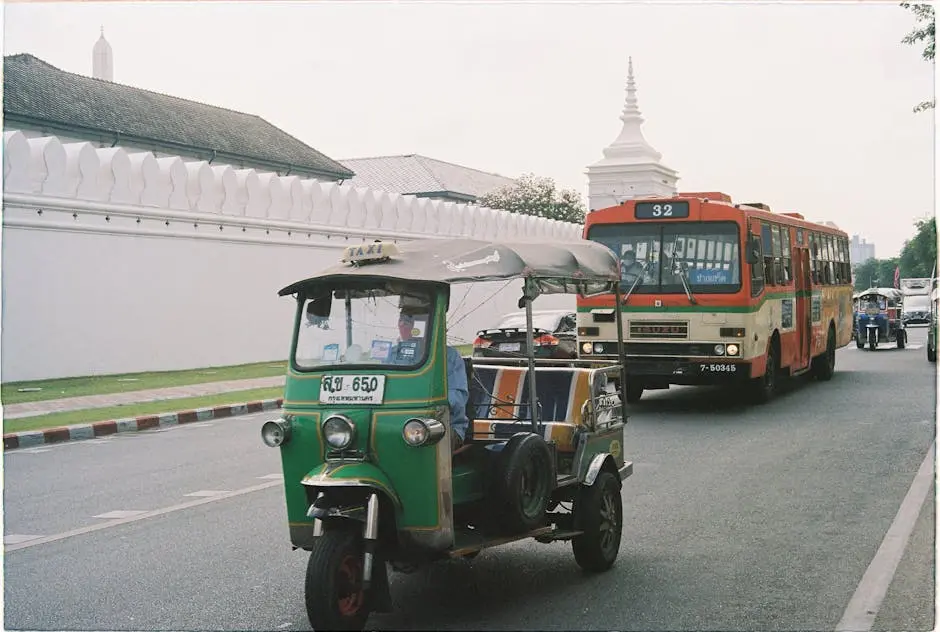
Long-distance VIP coaches depart Bangkok’s Mo Chit Northern Bus Terminal (Chatuchak) and Ekkamai Eastern Bus Terminal for Ubon Ratchathani multiple times daily, with most overnight departures leaving between 19:00 and 22:00 and arriving early morning between 05:00 and 07:30.
Standard VIP 24-seat buses cost 400 to 550 THB (~$11.42 to $15.71). These are wide, reclining seats in a 2×1 or 2×2 configuration, not flat beds. Toilet stops occur every 2 to 3 hours. Some operators provide a small blanket and a snack. The ride is functional and affordable but distinctly less comfortable than a train berth across the same duration.
Premium VIP buses from operators like Nakhonchai Air (NCA) offer larger seats with more recline and a more reliable punctuality record. These run 600 to 750 THB (~$17.14 to $21.42) and are worth the extra 150 to 200 THB (~$4.28 to $5.71) if the bus is your chosen route. Book through 12GO to compare NCA against government bus operators and confirm the seat class before you pay.
The bus makes most sense for very budget-conscious travellers with no checked luggage, or for anyone whose dates do not align with available train berths. It is a legitimate option, just not the most comfortable one for an 11-hour overnight journey.
Arriving in Ubon: Getting to Sam Phan Bok
Sam Phan Bok sits approximately 100 kilometres north of Ubon Ratchathani city, near the district of Khong Chiam. This final leg is the part most guides gloss over, and it requires its own plan.
The options from Ubon city are:
- Hired songthaew or minivan (recommended): 1,500 to 2,500 THB (~$42.85 to $71.42) for the vehicle for the day, split between your group. Most guesthouses in Ubon can arrange this the evening before arrival.
- Motorbike rental: 200 to 350 THB (~$5.71 to $10) per day from the city. The road to Khong Chiam is straightforward and well-paved. Best for confident riders with experience on Thai roads.
- Public songthaew from Warin Chamrap terminal: Available for around 80 to 120 THB (~$2.28 to $3.42) to Phibun Mangsahan, then a second connection to Khong Chiam. Slow but functional if you have a full day and no time pressure.
The overnight train arrival time of around 09:00 gives you a natural window to check into accommodation, eat breakfast, and arrange transport to Sam Phan Bok for the afternoon, reaching the rock formations for the best light between 14:00 and 17:00 when the water levels in the carved pools reflect most dramatically.


Airalo covers Ubon with a range of
data plans from days to a month.
No physical SIM swap, no roaming
bill shock when you get back home.
Where To Stay In Ubon Ratchathani:
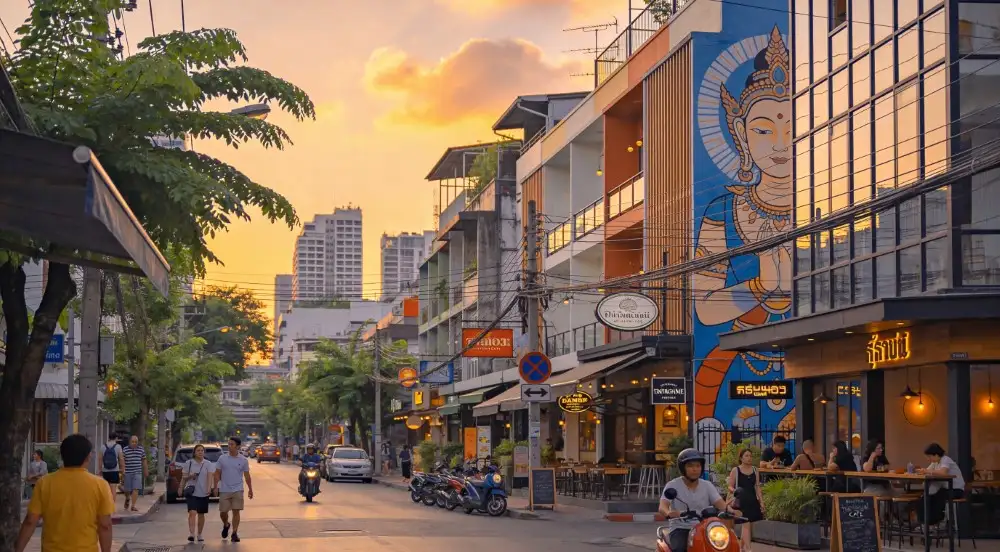
Ubon Ratchathani is a proper provincial city with a wide range of accommodation. Budget guesthouses near the train station start from 300 to 500 THB (~$8.57 to $14.28) per night. Mid-range hotels in the centre of town, within walking distance of the night market and local restaurants, run 700 to 1,400 THB (~$20 to $40) per night. Both Agoda and Booking.com list the full range with accurate maps, which matters when you are choosing between the train station area and the city centre.
For Sam Phan Bok specifically, staying one night in Khong Chiam itself is worth considering if you want to see the sunrise over the rock formations. Guesthouses in Khong Chiam start from 400 to 700 THB (~$11.42 to $20) per night and are simple but clean. Availability is limited, so booking a few days ahead through Booking.com is sensible during October and November.
A practical two-night structure for the trip: night one on the overnight train (saves accommodation cost), day one in Ubon city, night two in Khong Chiam for the sunrise, then return to Ubon and back to Bangkok by whichever route suits your schedule.

Forget swapping physical SIMs in Ubon.
Yesim works on most modern phones,
activates remotely, and keeps your
home number live on WhatsApp too.
The Return Leg: Train vs. Flight Back to Bangkok
Many travellers mix modes on this route: train out, fly back, or vice versa. Both work well and the decision usually comes down to whether you have a Bangkok commitment the morning after your return.
The overnight train from Ubon to Bangkok departs around 18:30 to 19:30 (check current schedules on 12GO as departure times adjust seasonally) and arrives at Hua Lamphong around 06:00 to 07:00 the following morning. This is ideal if you have a flight home from Bangkok, a meeting, or an onward connection the same day you return. You arrive rested, in the city centre, with your luggage, ready to move.
The morning flight back from Ubon departs between 06:30 and 09:00 depending on the carrier. This requires an early departure from Khong Chiam the morning before (or a night in Ubon city to be close to the airport), which eats into your Sam Phan Bok time. The flight option makes more sense on the return if you have a generous final day in Ubon and want to arrive in Bangkok by lunchtime with the afternoon free.
Book the return leg on 12GO at the same time as the outbound journey. Overnight train berths on the return fill up just as fast as the outbound, and having both locked in removes the risk of being stranded in Ubon trying to find last-minute availability during peak season.
Sam Phan Bok: What To Know Before You Go
Sam Phan Bok translates roughly as “three thousand holes,” a reference to the thousands of pools and channels carved into the sandstone by the Mekong River over millennia. The formations are only accessible when the river drops to its dry-season levels, typically between October and March. Outside this window, the entire site is submerged.
Entry to the Sam Phan Bok area costs 20 THB (~$0.57) per person. A local longtail boat tour along the rock formations from the pier costs approximately 50 to 100 THB (~$1.42 to $2.85) per person for a shared ride. The landscape shifts dramatically depending on the time of day: the early morning brings mist over the Mekong and soft light on the pale rock, while the late afternoon produces stronger shadows in the carved channels and pools.
There is no shade on the exposed rock platforms. Bring water, sun protection, and solid footwear. The rock surface becomes dangerously slippery when wet. Stay on marked paths and take the guide ropes seriously. Mobile signal at Sam Phan Bok itself is minimal, so download offline maps of the Khong Chiam district before leaving Ubon city.
Practical Tips For The Journey:
- Book early: Sleeper berths for October and November open approximately 60 days in advance on 12GO. Set a reminder and book the moment availability opens.
- Connectivity: Ubon city has good 4G coverage. Signal drops between Ubon and Khong Chiam. Activate your Airalo, Yesim, or Saily eSIM before travel so you have data from the moment you arrive, without hunting for a physical SIM in Ubon’s city centre.
- Luggage storage: Ubon Ratchathani train station has a left-luggage facility. If you are doing a same-day trip to Sam Phan Bok after arriving on the overnight train, store your main bag here (around 30 to 50 THB / ~$0.85 to $1.42 per item) and travel light to Khong Chiam.
- Cash: Khong Chiam has limited ATM options. Withdraw cash in Ubon before heading north. There is one ATM in Khong Chiam town but it runs out of notes during peak season weekends.
- Flight disruption: If you are flying back from Ubon and your flight is delayed or cancelled, AirHelp handles compensation claims for disrupted domestic Thai routes and can pursue reimbursement on your behalf.

Frequently Asked Questions:
What is Sam Phan Bok and when can you visit?
Sam Phan Bok is a stretch of volcanic rock formations along the Mekong River near Khong Chiam, Ubon Ratchathani. The formations are only visible during the dry season when the river drops, typically October to March. Outside this period the site is fully submerged. Entry costs 20 THB (~$0.57) per person.
How long does the overnight train from Bangkok to Ubon take?
The overnight sleeper train (Train 21) departs Bangkok Hua Lamphong at 21:05 and arrives in Ubon Ratchathani at approximately 08:55 the following morning, a journey of around 11 to 12 hours. A second overnight service departs slightly later with a similar arrival window.
How much does the overnight sleeper train to Ubon cost?
A second-class upper berth costs 638 THB (~$18.22). A second-class lower berth costs 838 THB (~$23.94). First-class two-berth private cabins start from around 1,313 THB (~$37.51) per person. All classes include air conditioning and bedding. Book on 12GO to check live availability.
Is flying to Ubon Ratchathani cheaper than the train?
The advertised base fare can look cheaper, but the all-in cost including luggage fees, airport transfers from Don Mueang, and the Ubon airport taxi typically brings the total to 1,500 to 2,500 THB (~$42.85 to $71.42) each way. The overnight train with a lower berth costs 838 THB (~$23.94) and arrives at the city centre station, making it significantly better value for most travellers.
How do I get from Ubon Ratchathani to Sam Phan Bok?
Sam Phan Bok is roughly 100 kilometres north of Ubon city near Khong Chiam. The most practical option for groups is a hired songthaew or minivan for 1,500 to 2,500 THB (~$42.85 to $71.42) for the day. Solo travellers can hire a motorbike in Ubon for 200 to 350 THB (~$5.71 to $10) per day. Public songthaew connections via Phibun Mangsahan exist but are slow.
Should I take the train out and fly back, or fly both ways?
The mixed approach works well. Train out overnight (saving one night’s accommodation), then fly back if you need to be in Bangkok by a specific time. Alternatively, fly out for maximum time at Sam Phan Bok and take the overnight train back, arriving in Bangkok early morning ready for an onward flight or connection. Book both legs on 12GO simultaneously.
Which bus company is best for Bangkok to Ubon Ratchathani?
Nakhonchai Air (NCA) is the most consistently reliable operator for the overnight coach route. Premium VIP seats cost 600 to 750 THB (~$17.14 to $21.42) and offer more recline and better punctuality than standard government bus services. Depart from Mo Chit Northern Bus Terminal. Compare all operators on 12GO before booking.
Where should I stay in Ubon Ratchathani?
Budget guesthouses near the train station start from 300 to 500 THB (~$8.57 to $14.28) per night. Mid-range hotels in the city centre run 700 to 1,400 THB (~$20 to $40). For the Sam Phan Bok sunrise experience, one night in Khong Chiam itself (400 to 700 THB / ~$11.42 to $20) is worth planning. Book on Agoda or Booking.com for the most accurate pricing.
Is there mobile signal at Sam Phan Bok?
Mobile signal at Sam Phan Bok and along the Khong Chiam stretch of the Mekong is minimal. Download offline maps of the Khong Chiam district before leaving Ubon city. Ubon itself has good 4G coverage. Activate your Airalo, Yesim, or Saily eSIM before departure so you have data from arrival without needing to locate a physical SIM card.
How far in advance should I book the sleeper train to Ubon?
Sleeper berths open approximately 60 days in advance on 12GO. For October and November travel, when Sam Phan Bok is at its most visited, book the moment the window opens. Lower berths in second class and first-class cabins are the first to sell out, often within days of availability opening for peak dates.