The 10 Best Off-the-Beaten-Path Treks in Northern Thailand for 2026
This site contains affiliate links. We may earn a commission at no extra cost to you.
Most people arrive in Chiang Mai with a guesthouse booking, a list of temples, and a vague plan to do a trek. Most of those treks involve the same three elephant camps, the same Hmong village, and the same bamboo raft descent. They are fine. But northern Thailand offers something considerably more extraordinary if you know where to look: ancient trade routes through coniferous cloud forest, UNESCO Biosphere reserves where independent access is forbidden and a local guide is the only way in, remote Nan province valleys that see a fraction of the visitors of more famous destinations, and border-region ridgelines where the views stretch into Myanmar and Laos simultaneously.
This guide covers ten treks that earn the label genuinely off the beaten path. Prices are listed in Thai Baht alongside pound sterling equivalents calculated at an exchange rate of 1 GBP to 45 THB, which reflects current mid-2026 rates. Whether you have two days or two weeks, whether you are travelling solo on a tight budget or as a family prepared to spend for comfort, there is a route here that will give you a version of northern Thailand most visitors never see.
Quick Summary for 2026:
Best Overall Trek: The Chiang Mai to Mae Hong Son multi-day route remains the gold standard for combining cultural depth, dramatic scenery, and genuine remoteness in one continuous journey.
Best for Budget Trekkers: Mae Taeng Valley day treks from Chiang Mai, bookable through Klook for around 1,800 to 2,700 THB (£40 to £60) per person including transport, guide, and lunch.
Best for Families: Kew Mae Pan Nature Trail on Doi Inthanon, a 3.5 km circular route at 2,565m elevation that is manageable for older children and genuinely spectacular at any fitness level.
Most Remote: Doi Chiang Dao Wildlife Sanctuary, where independent access is prohibited and guided entry into the UNESCO Biosphere reserve makes every trail feel genuinely untouched.
Best Season: November to February for cool, dry conditions throughout the region. Mae Hong Son trails peak from December to February with temperatures of 20 to 25°C in the valleys and closer to 10°C at higher elevations after dark.
Booking Tip: During Songkran (April) and the peak season (December to January), guided trek slots and transport via 12GO fill weeks in advance. Book early, particularly for multi-day itineraries with homestay accommodation.

Compare hotel prices across Chiang Mai’s
best areas and book with confidence.
Filter by budget, location, or score
to find the right stay for your trip.
Before You Go: Practical Essentials
Getting yourself to the trailhead efficiently sets the tone for everything that follows. Grab and Bolt handle city pickups in Chiang Mai at fixed, pre-agreed prices, which matters when you are heading to a 6am departure and tuk-tuk drivers near the Night Bazaar quote whatever they feel like. Both apps require SMS verification on first setup, so activate your Airalo, Yesim, or Saily eSIM before your outbound flight rather than scrambling for a SIM card at the baggage carousel.
Intercity Connections: The overnight sleeper train from Bangkok to Chiang Mai is one of the great rail journeys in Southeast Asia and the most practical way to arrive rested and ready. Use 12GO to lock in your berth, particularly during the December to February peak window when carriages fill rapidly. From Chiang Mai, songthaew share-taxis and private transfers via Welcome Pickups reach the outlying trekking bases for groups and families.
Connectivity on Trail: Mobile signal is genuinely patchy in the Doi Chiang Dao sanctuary, the Nan province highlands, and on sections of the Mae Hong Son route. Download offline maps via Maps.me before departure. NordVPN is worth activating for guesthouse and cafe Wi-Fi connections in Chiang Mai and Pai, particularly for banking and card transactions. For accommodation near trailheads, Agoda consistently lists the best selection of small guesthouses in mountain towns like Chiang Dao, Pai, and Soppong, while Booking.com covers the higher-end lodges and eco-resorts.
Medical Cover: Trails in the Doi Chiang Dao sanctuary and the Mae Hong Son corridor are remote by any standard. SafetyWing Nomad Insurance covers emergency evacuation and hospitalisation at a monthly rate that makes it a sensible baseline for any multi-day trekking itinerary. Activate it before you depart, not after you have already left the city.


From classic Chiang Mai highlights to
hidden-gem private tours. Cancel
free up to a day before your
start time if plans change.
The 10 Best Treks Ranked:
The ranking below balances remoteness, scenery, cultural access, value, and trail quality. It weights the experience available to an independent traveller booking through established local operators, rather than expensive private tour packages. All prices are per person on a shared-group basis unless otherwise noted.
| Trek | Base | Duration | Cost (THB) | Cost (GBP) |
|---|---|---|---|---|
| Chiang Mai to Mae Hong Son | Chiang Mai | 7 days | from 13,500 | from £300 |
| Doi Chiang Dao Sanctuary | Chiang Dao | 1 to 3 days | 4,725 to 33,750 | £105 to £750 |
| Kew Mae Pan, Doi Inthanon | Chiang Mai | 1 day | from 1,755 | from £39 |
| Mae Taeng Valley Loop | Chiang Mai | 1 to 2 days | from 1,800 | from £40 |
| Chiang Rai to Chiang Mai | Chiang Rai | 5 to 7 days | from 9,000 | from £200 |
| Nan Province Highland Trek | Nan Town | 2 to 4 days | from 4,500 | from £100 |
| Mae Hong Son Loop Trekking | Mae Hong Son | 2 to 5 days | from 5,400 | from £120 |
| Pai to Soppong Trail | Pai | 2 to 3 days | from 3,600 | from £80 |
| Doi Ang Khang Ridge Walk | Fang / Chiang Dao | 1 to 2 days | from 2,250 | from £50 |
| Mae Salong Tea Plantation Trek | Mae Salong | 1 day | from 1,350 | from £30 |
The Treks in Detail:
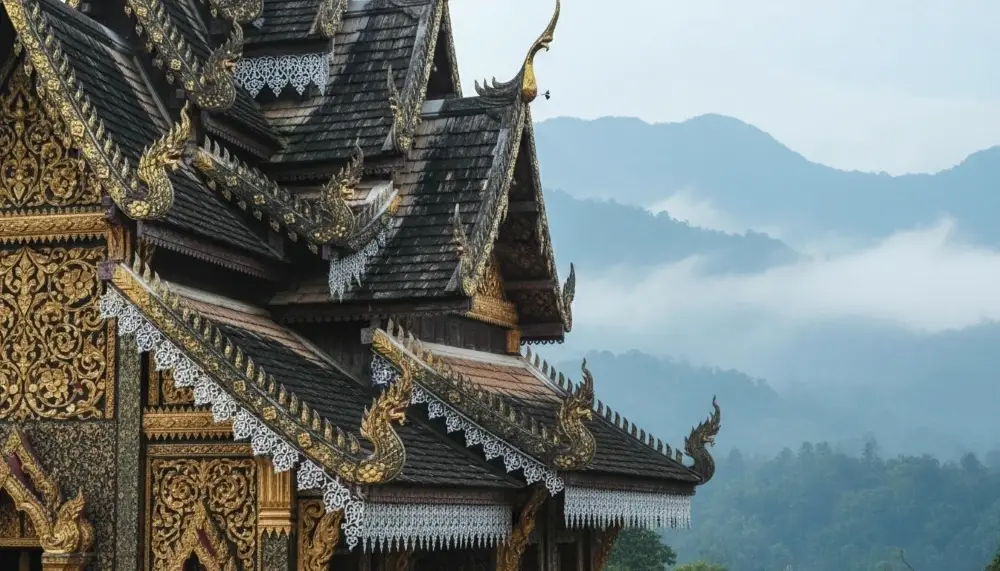
1. Chiang Mai to Mae Hong Son: The Ancient Trade Route
This is the one serious trekkers come to northern Thailand for. The multi-day route from Chiang Mai to Mae Hong Son follows ancient trade corridors through coniferous forests, across orchid-carpeted ridgelines, and through Karen and Shan villages that have existed on these slopes for centuries. The week-long version covers roughly 120 to 150 kilometres depending on the operator’s specific route, reaching elevations above 1,800m on the highest passes.
Nights are spent in village homestays where dinner is cooked over open fires and the soundtrack shifts from jungle insects to the soft percussion of mountain rain on tin roofs. This is not a comfortable trek by any measure. Trail conditions in November can be muddy, the climbs are sustained, and the distance between villages is real. That is precisely what makes it exceptional. Costs start from around 13,500 THB (£300) per person for a fully supported 7-day itinerary including guide, all meals, and homestay accommodation. Book through Get Your Guide or Klook to compare current operator availability and pricing for your travel dates.
2. Doi Chiang Dao Wildlife Sanctuary: The UNESCO Biosphere
Doi Luang Chiang Dao is the third highest peak in Thailand at approximately 2,175m, and the sanctuary surrounding it is one of the most biodiverse protected areas in mainland Southeast Asia. The critical detail for 2026: independent trekking is not permitted inside the UNESCO Biosphere reserve. A licensed local guide is the only way in, which works in your favour. Trails are pristine, wildlife encounters (hornbills, gibbons, and on fortunate mornings, clouded leopard tracks) are genuine, and the crowds that descend on more accessible parks simply do not exist here.
Day treks from the Chiang Dao base village cost from around 4,725 THB (£105) per person, with three-day programs that include tea plantation visits, Lahu village homestays at Ban Pa Loh, and views of the Doi Luang massif running from roughly 9,900 to 33,750 THB (£220 to £750) per person depending on group size and operator. The drive from Chiang Mai is approximately 75 kilometres on Route 107, taking around two hours. Book accommodation in Chiang Dao town via Agoda the night before to avoid a very early start from the city.

3. Kew Mae Pan Nature Trail, Doi Inthanon: The High-Altitude Circuit
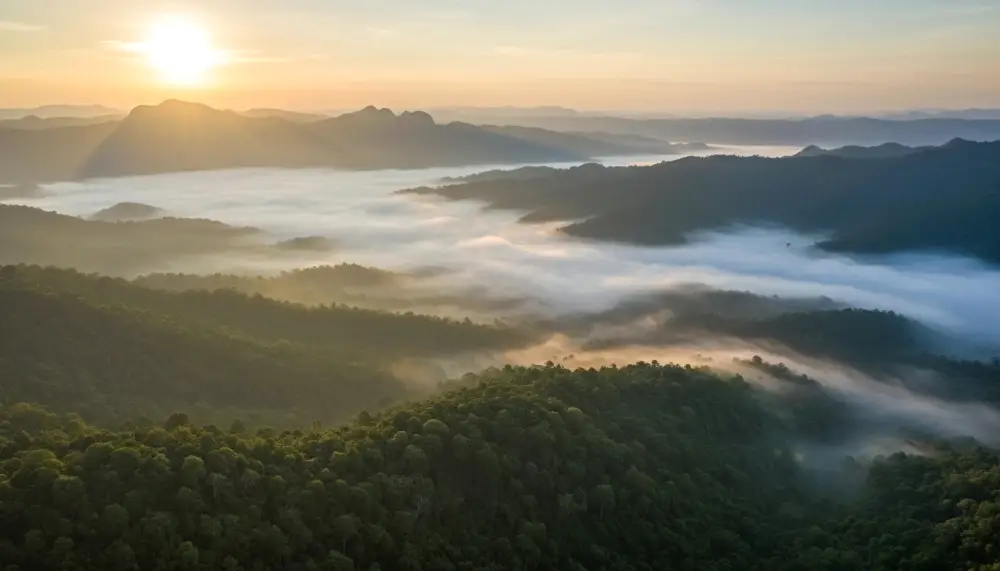
Thailand’s highest peak sits at 2,565m and the 3.5 kilometre circular Kew Mae Pan trail near its summit offers a walking experience that feels genuinely alpine: mossy cloud forest, subalpine grassland, cascading Lan Sadet Waterfall, and a carpet of wild Thousand-Year Roses in bloom during the cool season. The trail is closed from June to October for ecological restoration, which means the November to February window is when it is at its absolute best.
This is the standout family-friendly option on this list. The distance is manageable, the altitude adds drama without serious physical demand, and the twin royal pagodas and Hmong hill tribe market at the summit provide cultural context alongside the natural spectacle. Full-day guided tours including transfers from Chiang Mai start from around 1,755 THB (£39) per person via Klook, making it one of the best-value half-day adventures in the entire country. The park entrance fee adds 300 THB (£6.70) per adult for foreigners, payable on arrival.
4. Mae Taeng Valley: The Accessible Jungle Immersion
The Mae Taeng highlands north of Chiang Mai are where the city’s most knowledgeable trekking operators take their repeat clients. The valley combines jungle hiking, bamboo raft sections on the Mae Taeng River through Huay Nam Dung National Park, Karen village visits, and access to Buatong (the “sticky waterfall”) whose limestone surface allows you to walk directly up the cascade. That last detail converts even reluctant walkers into enthusiasts within about thirty seconds of stepping onto the rock face.
Two-hour jungle hikes here serve as warm-ups rather than headline acts. The broader two-day itinerary that includes a Mok Fah Waterfall stop, raft descent, and overnight at a Karen village homestay runs from around 2,700 to 5,400 THB (£60 to £120) per person. Day trip versions from Chiang Mai start from 1,800 THB (£40). This is an excellent entry-level option for trekkers who want something genuinely local without committing to multiple nights in the jungle. Book via Klook for the widest selection of current operators and the most transparent pricing.
5. Chiang Rai to Chiang Mai: The Village-to-Village Route
This multi-day traverse starts in the Chiang Kham District near Chiang Rai and winds south through Doi Luang National Park to Ban Maena, a Lahu community, before reaching Chiang Mai. It is one of the most culturally immersive routes in the country: each overnight stay is in a different hill tribe village, and the cooking sessions, weaving demonstrations, and shared meals that punctuate the walking days are not staged for tourists but simply how these communities live.
Expect daily walking distances of 10 to 18 kilometres on mixed terrain including bamboo forest, mountain rice paddies, and forested ridgelines. The 5 to 7 day version costs from around 9,000 THB (£200) per person on a shared group basis, covering guide, all meals, and homestay accommodation.
The shorter 3-day Chiang Rai circuit through Karen, Lahu, and Akha villages with daily treks to Huay Mae Sai waterfall runs closer to 5,400 THB (£120). A Chiang Rai base via Agoda or Booking.com is strongly recommended for the night before departure: transfers from a central guesthouse at 6am are considerably easier than arriving from Bangkok on a morning flight.
6. Nan Province Highlands: Thailand’s Best-Kept Secret
Nan is the province that experienced northern Thailand travellers cite as the most underrated in the country. Five hours east of Chiang Mai by bus (bookable on 12GO), it shares a border with Laos and contains Doi Phu Kha National Park, an area of extraordinary beauty that receives a fraction of the visitors that Chiang Mai and Chiang Rai attract. Trails here pass through communities of Mien (Yao) and Hmong people whose textile traditions are among the finest in Southeast Asia.
The 2 to 4 day trekking programs based out of Nan Town cost from around 4,500 THB (£100) per person and are best arranged through locally based guides recommended by the guesthouses in town. This is one destination where the community-based trekking infrastructure has developed organically rather than commercially, which means the experience remains genuinely local.
Accommodation in Nan Town is excellent value: a comfortable guesthouse room via Agoda runs 450 to 900 THB (£10 to £20) per night. For digital nomads with work to fit around a trek, Nan’s small but reliable cafe scene and a NordVPN connection makes it a very workable remote-work base for a week.
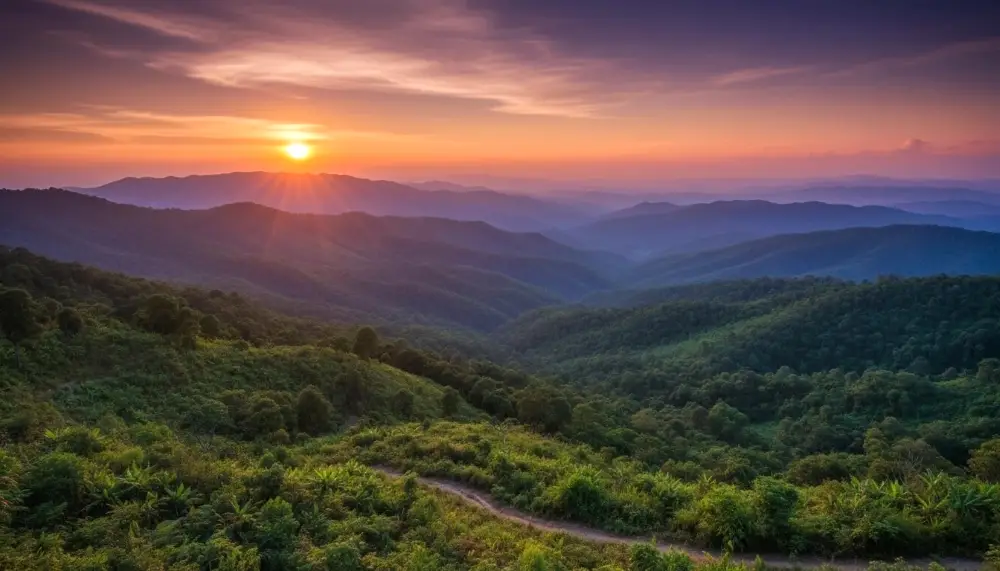
7. Mae Hong Son Province Trails: Mist, Temples, and the Myanmar Border
Mae Hong Son receives fewer visitors than almost any provincial capital in northern Thailand, largely because the 5.5-hour drive from Chiang Mai along 1,864 hairpin bends discourages casual day-trippers. That inaccessibility is precisely the point.
The province borders Myanmar along its entire western edge, and the trekking routes here reflect that geography: trails pass through Shan Buddhist villages with distinctive whitewashed stupas, alongside teak forests, and up into the mist-wrapped ridgelines visible from Pang Ung Lake at dawn.
The Fern Resort near Mae Hong Son serves as a genuinely excellent base with rooms that look directly onto terraced rice paddies, bookable via Booking.com. Two to five day guided programs from the town start from around 5,400 THB (£120) per person.
The province is at its most beautiful from October to December when the morning mist in the valleys is at its thickest and the rice harvest gives the landscape its warm, golden register. This is a destination for travellers who specifically want to avoid the crowds that have found Pai and are gradually finding Chiang Rai.
8. Pai to Soppong: The Valley to Cave Country Trail
Pai has a well-earned reputation as a backpacker hub, but the trails that head northwest towards Soppong and the Pang Mapha district leave that atmosphere behind within the first hour of walking. The landscape transitions quickly from the Pai valley’s coffee shops and yoga studios into dense jungle with a genuine sense of remoteness. The Tham Lot cave system near Soppong is one of the largest river caves in Thailand and a spectacular endpoint for a two-day walk that combines forest trails with bamboo groves and Lisu hill tribe villages.
Two to three day guided programs from Pai run from around 3,600 THB (£80) per person including guide and guesthouse accommodation in Soppong. Independent trekking sections between the valley villages are feasible with a downloaded offline map, but a local guide adds considerable value in terms of village access and cultural context. Accommodation in Pai itself is abundant and competitively priced: Agoda lists boutique bungalows from around 900 THB (£20) per night with strong reviews. The minivan from Chiang Mai to Pai takes about three hours on a memorably winding road.
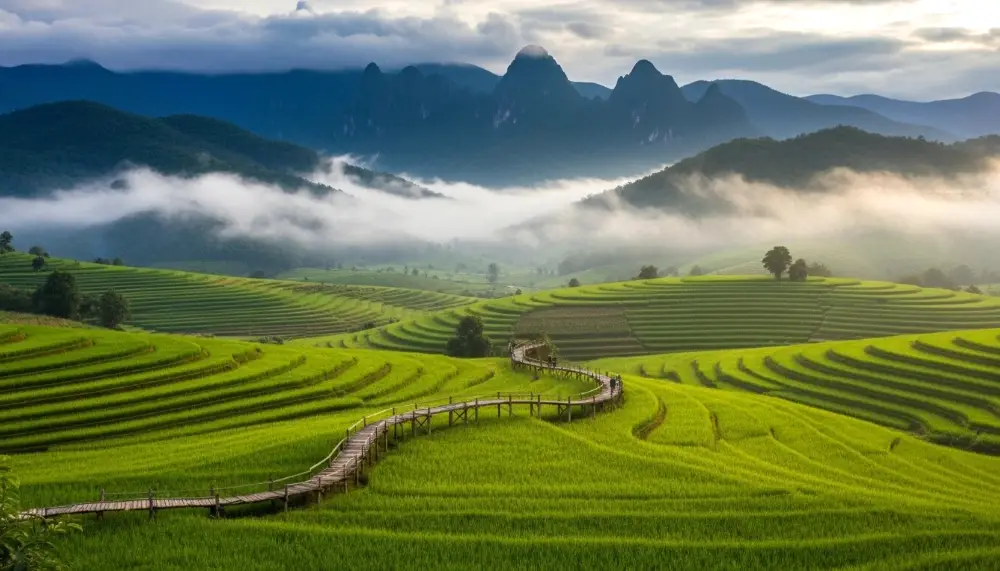
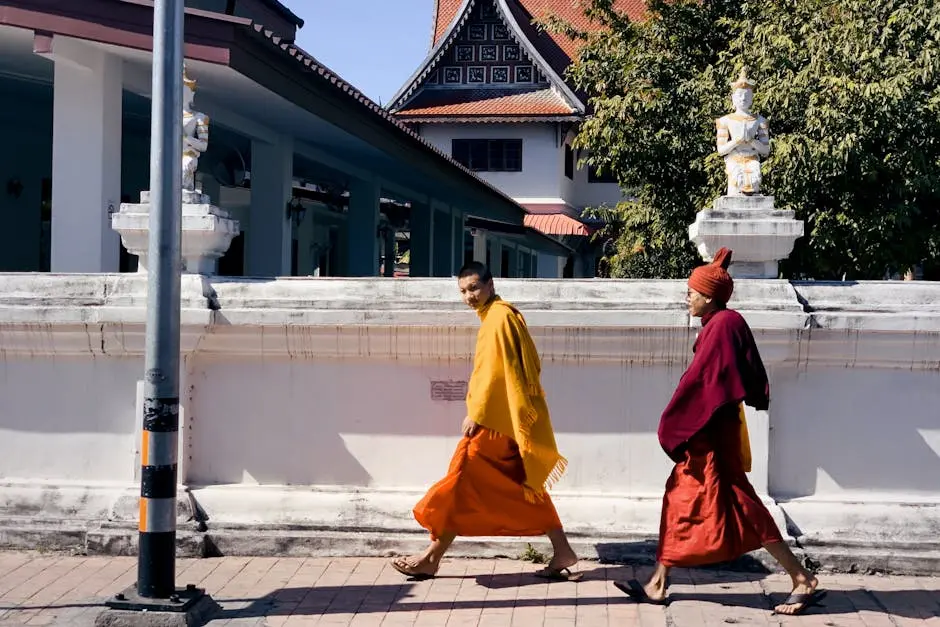
9. Doi Ang Khang Ridge Walk: Chinese Villages and Alpine Gardens
Doi Ang Khang sits in the northernmost tip of Chiang Mai province, close enough to the Myanmar border that on a clear day you can see into two countries simultaneously from the higher vantage points.
The plateau here sits at around 1,400m and hosts one of Thailand’s most unexpected cultural footnotes: a Chinese-influenced community descended from Nationalist soldiers who crossed the border decades ago. The villages of Arunothai and Chai Prakan retain a character that is genuinely unlike anything else in northern Thailand, with Yunnanese cuisine, Mandarin signage, and oolong tea terraces covering the slopes.
The ridgeline walking here is relatively gentle by northern Thailand standards, making it appropriate for less experienced trekkers and families with teenagers. Day walks and overnight programs from the Fang district start from around 2,250 THB (£50) per person. The Royal Agricultural Station at Doi Ang Khang maintains trial plots for temperate fruits and flowers at altitude, which adds a botanical curiosity to the cultural and scenic interest. Book your base accommodation in Fang or Chiang Dao via Agoda the night before: transfers to the plateau typically depart early.
10. Mae Salong Tea Plantation Trek: The Borderland Circuit
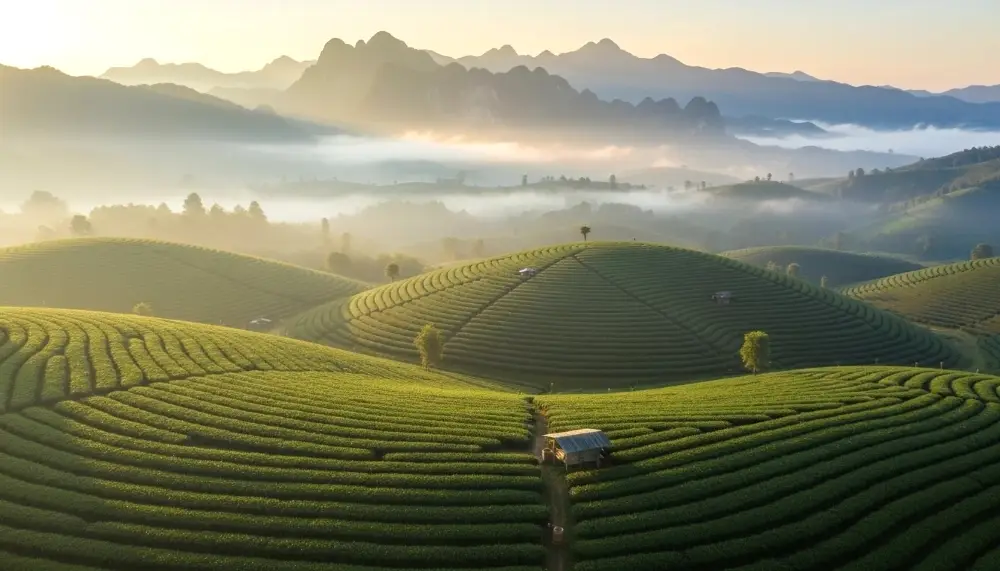
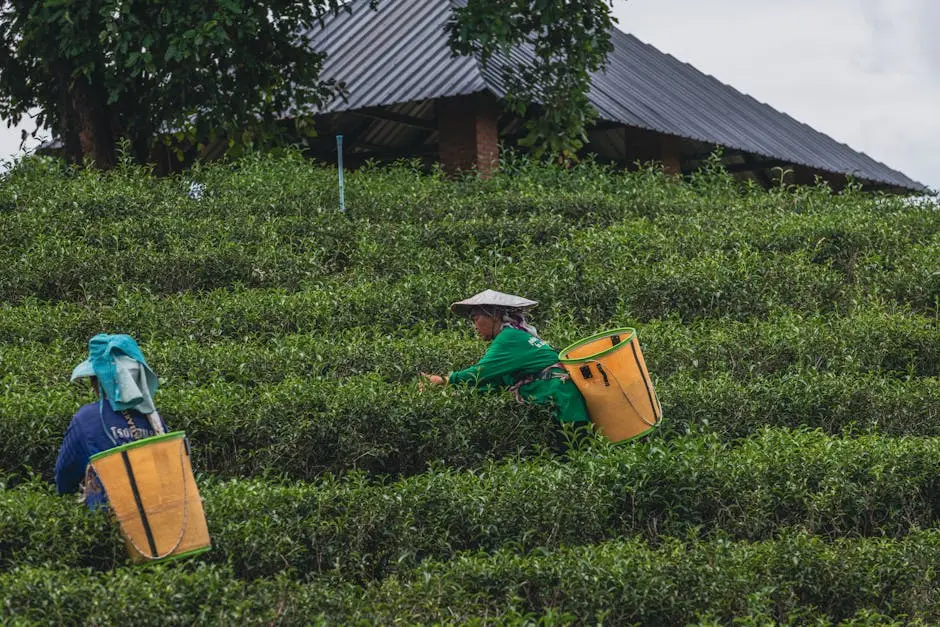
Mae Salong is perhaps the most atmospheric village in all of northern Thailand: a Yunnanese hill station at 1,300m elevation where every slope is terraced with oolong and green tea, the morning mist refuses to lift until mid-morning, and Akha hill tribe villages dot the ridgelines above the main settlement. The trekking circuit from Mae Salong winds through working plantations where you can sample tea at the source, passes through Akha villages accessible by trail rather than road, and delivers views across the Kok River valley that few photographs do justice to.
Day walking programs from Mae Salong village cost from around 1,350 THB (£30) per person arranged through local guesthouses, making this the most affordable genuine trek on this list. The village itself is reached via Chiang Rai, approximately 90 minutes by road, and accommodation options via Agoda include charming tea-house guesthouses from 900 THB (£20) per night. Arriving at Mae Salong by 5pm gives you time to walk the main street before sunset, eat at one of the excellent Yunnanese restaurants, and be positioned perfectly for a dawn start on the plantation trails before the heat of the day arrives.
The 8 to 9 day North Thailand Loop run by specialist operators that combines Mae Salong with Chiang Rai, Thaton, and the Golden Triangle is the definitive way to link this trek into a broader northern circuit: bookable via Get Your Guide.

Compare tours and tickets for Chiang Mai
and book instantly on your phone.
Klook mobile vouchers mean no
printing, just turn up and go.
Choosing the Right Trek for You:
The single biggest mistake trekkers make in northern Thailand is choosing a route based on its famous name rather than its actual characteristics. Doi Inthanon is one of the most visited national parks in the country, but the Kew Mae Pan trail there remains genuinely uncrowded because it requires a guide and a permit and most visitors stop at the summit viewpoint without walking further. Conversely, Pai has a reputation for being touristy, but the Soppong corridor northwest of the town is as remote as anything in this list.
Budget trekkers get extraordinary value from Mae Taeng day trips and Mae Salong plantation walks: combined, two days of excellent trekking can be had for under 4,500 THB (£100) including accommodation. Mid-range travellers with three to five days available should seriously consider the Nan Province circuit, where the combination of low visitor numbers, genuine cultural access, and dramatic scenery is unmatched anywhere in the north at this price point.
For those prepared to invest in a week-long journey, the Chiang Mai to Mae Hong Son route is the definitive northern Thailand trekking experience and worth planning an entire trip around.
Families with younger children should lead with Doi Inthanon (Kew Mae Pan) and the Mae Taeng day programs. Families with teenagers capable of sustained walking should consider the Doi Ang Khang circuit, where the cultural novelty of the Chinese plateau communities adds an extra dimension that keeps even reluctant walkers engaged.

From short trips to long stays in Chiang Mai,
Airalo has flexible eSIM data plans
you install in minutes. Top up
remotely if you need more data.
What to Expect on the Trail:
Northern Thailand trail conditions vary considerably by season and elevation. During the cool season (November to February), conditions are close to ideal: mornings at higher altitudes require a fleece, afternoons are warm and clear, and evening temperatures in village homestays can drop to single figures in the Doi Chiang Dao and Mae Hong Son highlands. Pack layers even if the Chiang Mai city forecast looks warm.
Footwear matters more than most trekkers anticipate. The clay-heavy soils of the Mae Taeng and Chiang Rai routes become slippery after rain even in the dry season, and the limestone sections of the Kew Mae Pan trail at Doi Inthanon can be deceptively smooth. Trail shoes with a genuine rubber grip are the minimum. For multi-day routes involving river crossings, a pair of lightweight sandals for camp use saves considerable footwear wear.
Hill tribe village etiquette is straightforward. Dress modestly, ask before photographing anyone (a smile and a pointed finger toward your camera is universally understood), accept offered food and drink when practically possible, and bring small practical gifts (notebooks, pencils, and fruit are always appropriate) rather than sweets for children. Your guide will brief you on specific customs for each community you visit: listen to them.
If you experience any flight disruption getting to or from northern Thailand through Bangkok, AirHelp handles compensation claims for delayed and cancelled flights, which is useful context for any trip with tight connections around a booked trek departure.

Skip the airport SIM queue in Chiang Mai.
Yesim’s eSIM activates before takeoff
so you’re online the second your
plane touches the tarmac.
Frequently Asked Questions:
Do I need a guide for trekking in northern Thailand?
For most of the routes on this list, yes, a guide is either legally required or strongly recommended. Doi Chiang Dao Wildlife Sanctuary prohibits independent access entirely, and a licensed local guide is the only way to enter the Biosphere reserve. For multi-day routes through hill tribe villages on the Chiang Rai to Chiang Mai corridor and the Mae Hong Son circuit, a guide provides essential cultural access and logistical support that makes the difference between a memorable experience and a frustrating one. Day treks on well-marked routes like Kew Mae Pan at Doi Inthanon can technically be done independently with a downloaded offline map, but a guide adds considerable context and is required for the trail permit. Costs for a local guide run from around 900 to 1,800 THB (£20 to £40) per day for a day trek, rising to 1,350 to 2,700 THB (£30 to £60) per day for multi-day programs that include meals and accommodation logistics.
What is the best time of year to trek in northern Thailand?
November to February is the prime trekking window across the entire north. Cool, dry conditions prevail at all elevations, trail surfaces are firm, and visibility from high ridgelines is exceptional. December and January offer the coldest nights (sub 10°C in the highlands), so pack more warmth than you think you will need. March and April bring heat and smoke haze from agricultural burning, which significantly reduces visibility and air quality. The rainy season from June to October makes lower trails muddy and some river crossings impassable, though the landscape is dramatically lush and visitor numbers drop considerably. Mae Hong Son and Nan province are best from October to December when the harvest season adds warmth and colour to the valleys.
How fit do I need to be for northern Thailand trekking?
It depends entirely on the route. Kew Mae Pan at Doi Inthanon and the Mae Salong plantation circuit are accessible to any reasonably mobile adult with comfortable walking shoes. Mae Taeng day treks involve two to three hours of moderate jungle walking and suit most travellers without specific training. The multi-day Chiang Mai to Mae Hong Son route and the Chiang Rai to Chiang Mai traverse involve sustained daily distances of 10 to 18 kilometres on uneven terrain and require a genuine baseline of hiking fitness. The Doi Chiang Dao sanctuary programs range widely depending on which trails your guide selects. If in doubt, book a Mae Taeng day trek as a first-day assessment of your current fitness before committing to a longer program.
Can I book northern Thailand treks as a solo traveller?
Yes, and solo trekking in northern Thailand is very common. Most operators set a minimum group size of two for pricing purposes, but solo travellers can join scheduled group departures at the per-person shared rate, or pay a small single supplement for private guide access. Klook and Get Your Guide both list shared-departure treks with clear pricing. For multi-day homestay routes, joining a small group of two to six people often enhances the experience considerably: the cultural interactions in villages are warmer and the logistics run more smoothly with a full group. Solo female travellers report consistently positive experiences on northern Thailand treks, particularly with operators who use local female guides for women-only or mixed departures on request.
What do I need to pack for a multi-day northern Thailand trek?
The essentials are lightweight layers for cool evenings (temperatures at elevation drop sharply after sunset), trail shoes with reliable grip, a rain layer for afternoon showers even in the dry season, and a small daypack with two to three litres of water capacity. Trekking poles are worth carrying for the sustained descents on the Mae Hong Son and Doi Chiang Dao routes. For village homestays, a silk sleeping bag liner adds warmth without bulk and is considerate of your host family’s bedding. Sunscreen, insect repellent containing DEET, and blister prevention products (your guide’s priority is the trail, not your feet) round out the basics. Prescription medications and a basic first aid kit are non-negotiable on any route more than a day from a pharmacy. Portable battery packs for your phone are essential on multi-day routes where charging is intermittent.
Are northern Thailand treks ethical in terms of hill tribe village visits?
The quality of ethics varies significantly between operators, and asking the right questions before you book is worthwhile. Responsible operators pay fair wages to local guides (ideally from the communities being visited), contribute a portion of fees directly to village development funds, and brief visitors on appropriate behaviour before arrival. They limit group sizes to avoid overwhelming small communities and do not present village life as a spectacle. Red flags include very large group sizes (more than eight to ten people), operators who cannot explain how guides and communities are compensated, or programs that rush through multiple villages in a single day without meaningful interaction. Community-based trekking programs in Nan Province and the Chiang Rai highlands are among the most ethically developed in the country, with clear revenue-sharing structures.
How do I get from Bangkok to Chiang Mai for trekking?
The overnight sleeper train from Bangkok Hua Lamphong to Chiang Mai is the most popular option for travellers who want to save on a night’s accommodation while covering the 700-kilometre journey. Book via 12GO to secure a berth, particularly for December to February departures when trains fill weeks in advance. The journey takes roughly 12 to 13 hours and arrives in Chiang Mai in the morning, leaving the day free for orientation or an immediate Mae Taeng day trek. Domestic flights on Thai Airways, Bangkok Airways, and AirAsia connect Bangkok with Chiang Mai in about an hour and are often very competitively priced when booked through 12GO. For travellers with flight disruption concerns, AirHelp handles compensation claims for delays and cancellations on eligible routes.
Is it safe to drink water on the trail?
Do not drink untreated water from streams or village sources on any northern Thailand trek, regardless of how clean it appears. All reputable guided programs include adequate drinking water as part of the package price. On independently managed sections of a route, carry a water purification tablet supply or a UV pen filter (SteriPen is widely available in Chiang Mai outdoor shops from around 1,350 THB or £30). Dehydration is a genuine risk on full-day treks in even the mild cool-season temperatures: aim for at least two litres of water per day of walking, more on sustained uphill sections. Electrolyte tablets from any Chiang Mai pharmacy help considerably on days involving significant elevation gain.
What is the cheapest way to do a full-day trek in northern Thailand?
The Mae Salong plantation circuit and the Mae Taeng valley day treks represent the best value on this list, with guided full-day programs running from around 1,350 to 1,800 THB (£30 to £40) per person. Booking through Klook on shared-group departures rather than private arrangements keeps costs at the lower end of the range. Budget travellers based in Chiang Mai can also ask at Th Moonmuang Road guesthouses near the Tha Phae Gate area for locally recommended small operators who run shared treks at competitive prices. The total daily budget for a budget trekker including accommodation, food, and a guided day trek sits around 2,700 to 4,500 THB (£60 to £100), which compares favourably with equivalent adventure activities in almost any other country.
Can I combine trekking with other activities in northern Thailand?
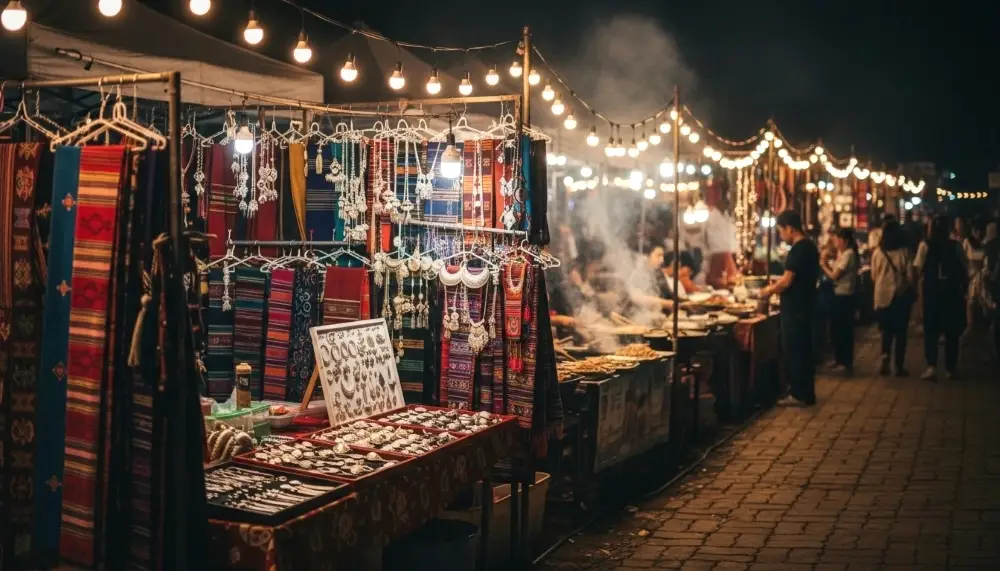
Absolutely, and the best northern Thailand itineraries do exactly this. Chiang Mai works as a central hub: morning temple visits, an afternoon cooking class booked via Klook, and a two-day Mae Taeng trek sit together naturally in a five-day program. The Chiang Rai circuit combines trekking with the White Temple, Blue Temple, and Golden Triangle without feeling rushed over six to seven days. The Mae Hong Son Loop integrates trekking with the Soppong cave system, Pai’s valley scenery, and the Shan temple architecture of Mae Hong Son town into a coherent circuit. For anyone planning a longer stay in the region, the combination of Nan Province trekking with Chiang Rai’s cultural highlights and Chiang Mai’s food and night market scene covers the full range of what the north offers at a pace that feels genuinely exploratory rather than rushed.