Backpacking Thailand on an Budget: The 2026 Real Numbers
This site contains affiliate links. We may earn a commission at no extra cost to you.
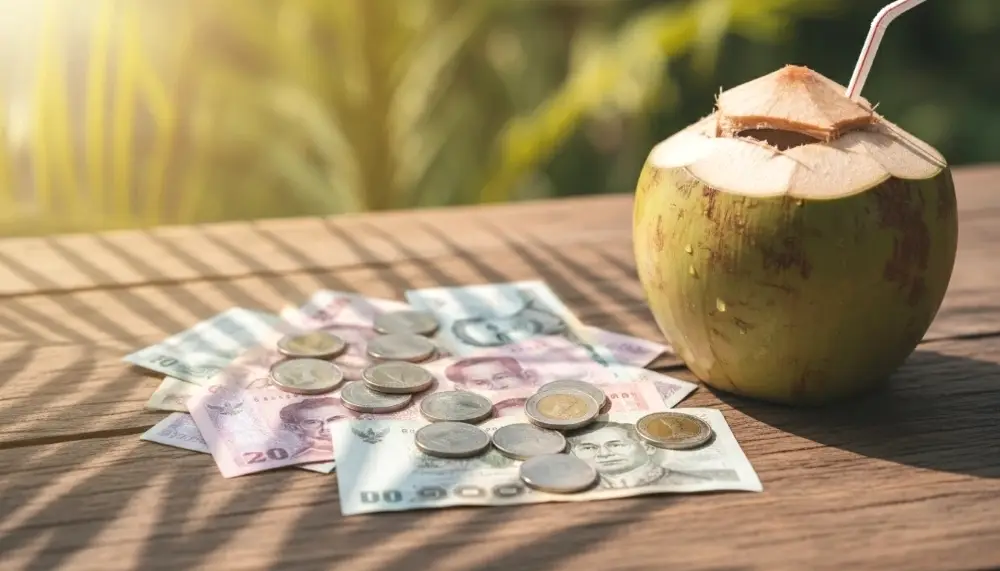
Thailand in 2026 is still one of the most rewarding places on the planet to stretch a budget. Prices have shifted since the post-pandemic boom, but the fundamentals hold: you can eat exceptionally well, sleep comfortably, and fill every day with genuine adventure without spending what you would in a week back home. All prices in this guide use a rate of 35 THB = $1 USD.
This is not a guide full of vague promises. These are the real numbers, tested on the ground, covering everything from airport arrivals to island-hopping and jungle treks. Whether you are stretching every baht or simply want to know what things actually cost before you land, this is where to start.
Quick Answer: What Does Backpacking Thailand Actually Cost?
Here is what a realistic daily budget looks like in 2026, across three traveller types:
- Budget Backpacker: 800 to 1,200 THB (~$23 to $34) per day
- Mid-Range Comfort: 1,500 to 3,000 THB (~$43 to $86) per day
- Flashpacker / Family: 3,500 to 7,000 THB (~$100 to $200) per day
These figures cover accommodation, food, local transport, and one paid activity per day. They do not include international flights, travel insurance, or visa fees. At the budget end, Thailand remains one of South-East Asia’s best value destinations. At the mid-range level, it is genuinely exceptional.

From boutique guesthouses to five-star
resorts, Agoda has Thailand covered.
Strong Asia inventory means deeper
discounts than you’d find elsewhere.
Budget Comparison: Thailand vs South-East Asia
| Country | Daily Budget (Budget) | Daily Budget (Mid) | Street Food Meal | Dorm Bed/Night |
|---|---|---|---|---|
| Thailand | ~$23 to $34 | ~$43 to $86 | ~$1.40 to $3.40 | ~$5 to $12 |
| Vietnam | ~$20 to $30 | ~$40 to $70 | ~$1 to $2.50 | ~$4 to $9 |
| Cambodia | ~$18 to $28 | ~$35 to $65 | ~$1 to $2 | ~$4 to $8 |
| Indonesia (Bali) | ~$25 to $38 | ~$50 to $90 | ~$1.50 to $3.50 | ~$6 to $14 |
| Malaysia | ~$28 to $42 | ~$55 to $95 | ~$1.50 to $3 | ~$6 to $13 |
Thailand sits comfortably in the mid-tier for South-East Asia: cheaper than Bali and Malaysia for comparable quality, slightly pricier than Cambodia and Vietnam, but with infrastructure, food quality, and transport links that consistently outperform its neighbours at every price point.
Getting There: Flights and Arrival Costs
Return flights from London to Bangkok (Suvarnabhumi) with carriers like Thai Airways, Qatar, or Emirates typically range from £480 to £900 (~$610 to $1,140 USD) depending on season and lead time. Budget airlines including AirAsia and Scoot connect Bangkok to most South-East Asian hubs for 1,200 to 3,500 THB (~$34 to $100) one-way.
If your flight is delayed or cancelled, AirHelp is worth having on your phone before you depart. EU and UK air passenger rights entitle travellers to significant compensation on eligible disruptions, and AirHelp handles the claim process on your behalf.
On arrival at Suvarnabhumi, the Airport Rail Link (ARL) costs 45 THB (~$1.30) to Phaya Thai and takes around 30 minutes. A metered taxi to central Bangkok runs 300 to 400 THB (~$8.60 to $11.40) including the expressway toll. For families or groups arriving with luggage, Welcome Pickups offers pre-booked, fixed-price airport transfers that eliminate the taxi negotiation entirely.


Skip-the-line tickets and guided walks
in Thailand with English-speaking
guides. Read real traveller reviews
before committing to a single one.
Mobile Data: Sort This Before You Land

This is non-negotiable in 2026. Ride-hailing apps like Grab require SMS network verification the moment you open them. If you are standing at the baggage carousel with no data, you cannot call a car, confirm your hotel booking, or use Google Maps.
Activate your Airalo, Yesim, or Saily eSIM data plan before you board. Plans for Thailand typically start from $8 to $12 USD for 5 to 10GB and activate the second your plane lands. Physical SIMs from AIS, DTAC, or TrueMove are available at the airport from around 299 THB (~$8.55) for 30 days with generous data allowances, but require a short queue and passport. If your device supports eSIM, skip the queue entirely.
For digital nomads working from cafes and co-working spaces, run NordVPN on public Wi-Fi. It secures your banking connections and keeps your home streaming services accessible throughout the trip.
Accommodation: What Your Money Gets You
Thailand’s accommodation range is genuinely staggering. A clean, air-conditioned dorm bed in Bangkok or Chiang Mai starts at around 180 to 300 THB (~$5.15 to $8.55) per night at reputable hostels. Step up to a private room in a well-run guesthouse and you are looking at 400 to 700 THB (~$11.40 to $20). On the islands (Koh Samui, Koh Lanta, Koh Phangan), budget bungalows sit at 500 to 900 THB (~$14.30 to $25.70) per night with beach proximity.
For mid-range and family travel, Agoda and Booking.com consistently surface the best local rates, particularly for longer stays. Booking three or more nights in advance through either platform regularly unlocks 10 to 20% discounts that walk-in prices do not match. For remote workers planning a stay of a month or more, Agoda‘s extended stay filters are the fastest way to find serviced apartments with fast Wi-Fi in neighbourhoods like Bangkok’s Ekkamai or Chiang Mai’s Nimman.

| Accommodation Type | Cost (THB) | Cost (USD) | Best For |
|---|---|---|---|
| Hostel Dorm (Bangkok/Chiang Mai) | 180 to 300 THB | ~$5 to $8.55 | Solo backpackers |
| Guesthouse Private Room | 400 to 700 THB | ~$11 to $20 | Couples, comfort seekers |
| Island Bungalow (Koh Lanta/Phangan) | 500 to 900 THB | ~$14 to $26 | Beach stays |
| Mid-Range Hotel (Bangkok) | 1,200 to 2,500 THB | ~$34 to $71 | Families, business travel |
| Serviced Apartment (Monthly) | 12,000 to 25,000 THB/mo | ~$343 to $714/mo | Remote workers, expats |

From short trips to long stays in Thailand,
Airalo has flexible eSIM data plans
you install in minutes. Top up
remotely if you need more data.
Food: Eating Well for Almost Nothing
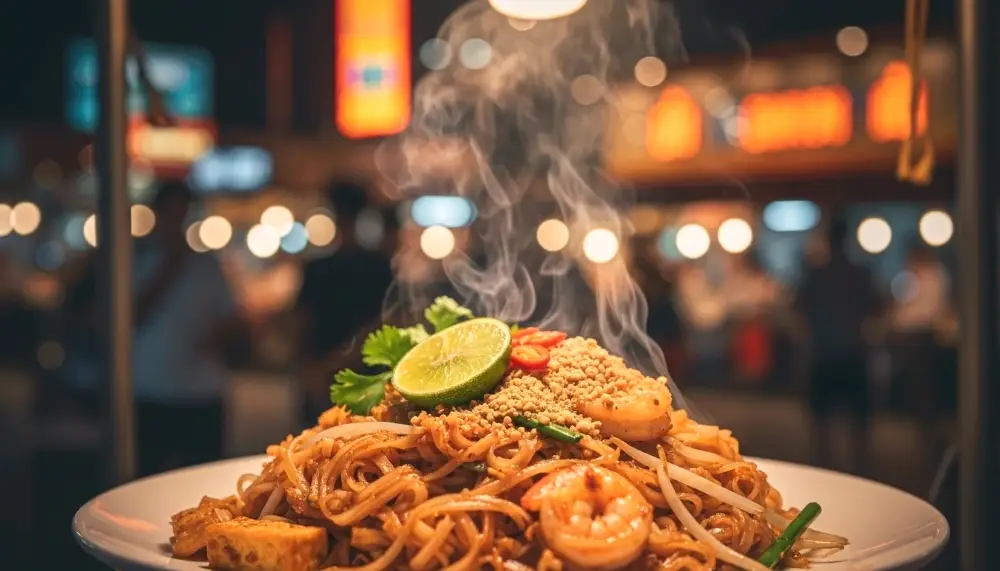
Food is where Thailand’s budget reputation earns every bit of its praise. A plate of Pad Thai at a street stall costs 60 to 80 THB (~$1.70 to $2.30). A bowl of boat noodles in a market runs 40 to 60 THB (~$1.15 to $1.70). Eat like this three times a day and your entire food budget sits at 200 to 300 THB (~$5.70 to $8.55).
Step into a clean local restaurant with table service and prices typically double, though you are still looking at 120 to 200 THB (~$3.40 to $5.70) for a main dish. A cold Chang or Singha beer from a 7-Eleven costs 45 to 55 THB (~$1.30 to $1.57). The same beer at a rooftop bar in Silom will cost 180 to 280 THB (~$5.15 to $8).
The practical rule: if you eat where locals eat and avoid tourist-facing menus with photographs, your food spend stays very low and the quality is often superior.
Getting Around: Inner-City and Intercity Transport
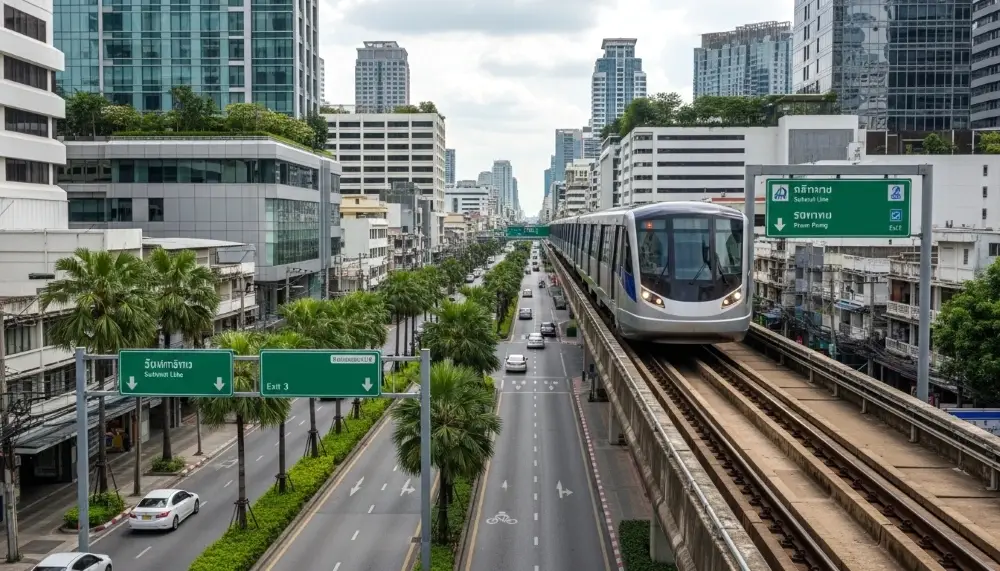
Bangkok’s BTS Skytrain and MRT cover most tourist-relevant areas for 20 to 65 THB (~$0.57 to $1.85) per single journey. Grab is the dominant ride-hailing app and works reliably across Bangkok, Chiang Mai, Phuket, and Pattaya. A typical cross-city Grab in Bangkok costs 80 to 180 THB (~$2.30 to $5.15) depending on traffic. Tuk-tuks are for short trips and fun, not for covering serious distances: always agree on a price beforehand.
For intercity travel, 12GO is the go-to platform for comparing and locking in bus, train, and ferry tickets across Thailand. During national holidays like Songkran (April) and Chinese New Year, popular routes sell out 10 to 14 days in advance. Book through 12GO early to avoid the pier-side chaos. Sample intercity costs:
- Bangkok to Chiang Mai overnight train: 531 to 1,053 THB (~$15 to $30) for a sleeper berth
- Bangkok to Koh Samui (bus and ferry combined): 700 to 900 THB (~$20 to $26)
- Chiang Mai to Pai minivan: 150 THB (~$4.30)
- Bangkok to Phuket budget flight (AirAsia booked ahead): 899 to 1,800 THB (~$26 to $51)

From temples to island tours, Klook
covers Thailand’s best experiences.
Hotel pickup is often included and
prices beat the pier walk-in rate.
Activities and Adventures: What It Costs to Explore
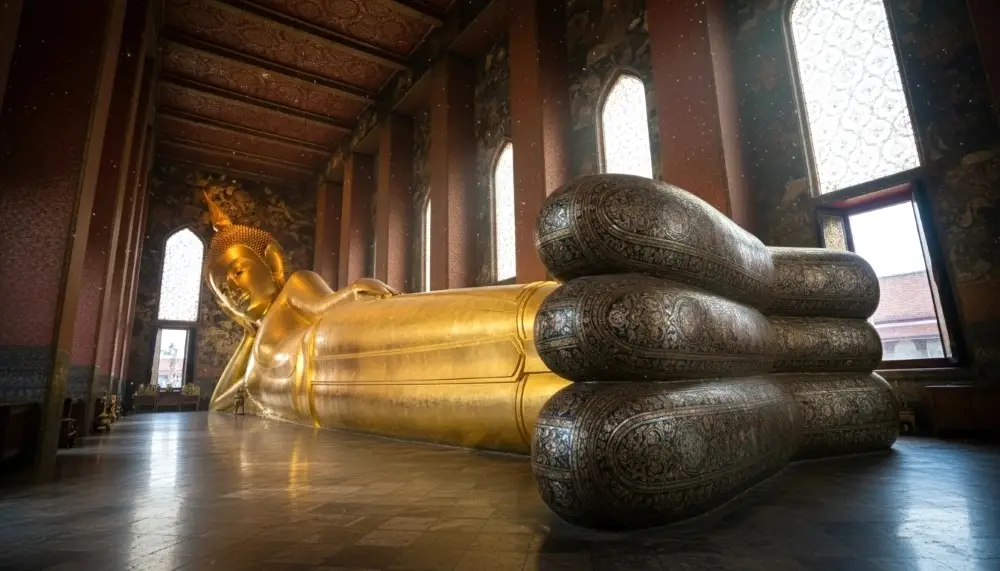
Thailand’s activity costs span an extraordinary range. Entry to Bangkok’s Grand Palace is 500 THB (~$14). The reclining Buddha at Wat Pho is 200 THB (~$5.70). Wat Saket (the Golden Mount) offers one of the best panoramic views in the city for just 100 THB (~$2.85). In the north, a full-day elephant sanctuary experience in Chiang Mai runs 2,500 to 3,500 THB (~$71 to $100), while a self-guided trek to Doi Inthanon National Park costs 300 THB (~$8.55) entry.
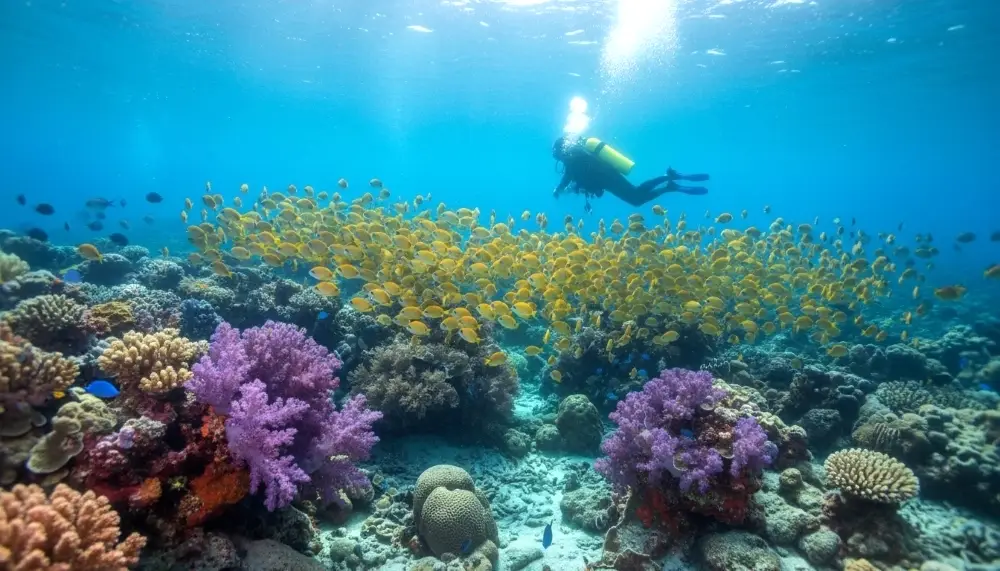
On the islands, a half-day snorkelling trip from Koh Tao costs 600 to 900 THB (~$17 to $26) including equipment. A PADI Open Water dive course, one of the cheapest in the world here, runs 9,000 to 12,000 THB (~$257 to $343) over three to four days. Rock climbing at Railay Beach starts at 800 THB (~$22.85) for a half day with a guide.
For temple tours, cooking classes, and day trips, Get Your Guide and Klook are the most reliable booking platforms. Both offer transparent pricing, vetted operators, and free cancellation on most experiences up to 24 hours before the activity.

Stay online in Thailand without breaking
the budget. Saily offers flexible
eSIM plans with no contract and
no roaming charges going home.
The Island Circuit: Real Costs for the South
The southern islands remain the headline act for most first-time visitors, and the costs vary meaningfully depending on which island you choose. Koh Tao is the budget diver’s island: cheap bungalows, affordable dive courses, and a relaxed pace. Koh Phangan is the mid-range choice, peaking in price during Full Moon Party weeks. Koh Samui skews toward the comfort and family end, with resort hotels and reliable infrastructure.
A realistic week on Koh Tao for a solo backpacker: accommodation 350 to 500 THB/night (~$10 to $14.30), food 200 to 350 THB/day (~$5.70 to $10), one dive per day 800 to 1,200 THB (~$22.85 to $34.30). Total weekly spend excluding the dive course: approximately 10,000 to 14,000 THB (~$286 to $400).
Inter-island ferries from Koh Samui to Koh Phangan cost 200 to 300 THB (~$5.70 to $8.55) and run multiple times daily. Lock in your ferry and onward bus combinations through 12GO before peak season to guarantee your seat.
Chiang Mai and the North: The Budget Traveller’s Favourite

Chiang Mai consistently ranks as one of the most affordable cities in South-East Asia for quality of life. A well-reviewed private room in the Old City or Nimman costs 450 to 800 THB (~$12.85 to $22.85) per night. A northern Thai khao soi (the city’s signature curry noodle soup) costs 60 to 90 THB (~$1.70 to $2.57) at a good local spot.
The city also punches well above its weight as a remote work base. Monthly apartment rentals with fast fibre internet start from 7,000 to 12,000 THB (~$200 to $343) in established digital nomad neighbourhoods. For remote workers planning an extended stay, SafetyWing’s Nomad Insurance is worth considering: it covers emergency medical treatment across 185 countries from around $56.28 USD per four weeks and is specifically designed for location-independent travellers.
Money: ATMs, Cards, and Avoiding Fees
Thai ATMs charge a flat 220 THB (~$6.30) fee per foreign card withdrawal, regardless of the amount. This makes a strong case for withdrawing larger amounts less frequently. At a 2,000 THB withdrawal, the fee represents 11% of your cash. At 10,000 THB, it drops to 2.2%. Wise and Revolut cardholders can minimise or eliminate this fee entirely through their respective home bank reimbursement policies.
Street markets, local restaurants, temple entries, tuk-tuks, and overnight buses all require cash. Cards are widely accepted in malls, mid-range hotels, and tourist-facing restaurants, but never assume. Carry a minimum of 500 to 1,000 THB (~$14.30 to $28.57) in small notes whenever you are away from the city centre. The 20 and 50 THB notes are your workhorses.

Sample Daily Budgets: Three Traveller Profiles
| Expense | Budget Backpacker | Mid-Range Traveller | Flashpacker / Family |
|---|---|---|---|
| Accommodation | 200 THB (~$5.70) | 900 THB (~$25.70) | 2,500 THB (~$71) |
| Food (3 meals) | 250 THB (~$7.15) | 500 THB (~$14.30) | 1,200 THB (~$34.30) |
| Transport | 80 THB (~$2.30) | 200 THB (~$5.70) | 500 THB (~$14.30) |
| 1 Activity / Entry | 100 THB (~$2.85) | 500 THB (~$14.30) | 1,500 THB (~$42.85) |
| Drinks / Extras | 100 THB (~$2.85) | 400 THB (~$11.40) | 800 THB (~$22.85) |
| Daily Total | ~730 THB (~$21) | ~2,500 THB (~$71) | ~6,500 THB (~$186) |

Maps, Grab, translation apps all need
data in Thailand. Yesim’s eSIM installs
in a minute and gives you reliable
5G from the moment you arrive.
Frequently Asked Questions:
How much money do I need per day backpacking Thailand in 2026?
Budget backpackers can manage comfortably on 800 to 1,200 THB (~$23 to $34) per day. This covers a dorm bed, three street food meals, local transport, and one temple or activity entry. Mid-range travellers spending on private rooms and restaurant meals should budget 1,500 to 3,000 THB (~$43 to $86) per day.
Is Thailand still cheap compared to other South-East Asian countries?
Yes. Thailand sits in the mid-tier for the region. It is slightly more expensive than Vietnam and Cambodia, but offers better infrastructure, food quality, and transport at comparable price points. Budget daily costs are broadly similar to Bali but with more variety and easier logistics.
What is the best way to avoid ATM fees in Thailand?
Thai ATMs charge a flat 220 THB (~$6.30) fee per foreign card withdrawal. Minimise this by withdrawing larger amounts less frequently. Wise and Revolut cards can partially offset this through home bank fee reimbursements. Always withdraw from official bank ATMs inside 7-Eleven or bank branches rather than standalone machines.
How do I get a SIM card or eSIM for Thailand?
Physical SIMs from AIS, DTAC, or TrueMove are available at Suvarnabhumi Airport from 299 THB (~$8.55) for a 30-day data package. For convenience, activate an eSIM from Airalo, Yesim, or Saily before departure. This provides instant data the moment your plane lands, which is essential for verifying ride-hailing apps like Grab at the airport.
What is the cheapest way to travel between Bangkok and Chiang Mai?
The overnight sleeper train from Hua Lamphong station costs 531 to 1,053 THB (~$15 to $30) for a berth and saves a night’s accommodation. Budget flights with AirAsia or Thai Lion Air start from 899 THB (~$26) booked in advance. Book intercity trains and buses through 12GO to compare all options and confirm availability during holidays.
How much does a diving course cost in Thailand?
A PADI Open Water course on Koh Tao runs 9,000 to 12,000 THB (~$257 to $343) over three to four days. This is among the lowest prices for the qualification anywhere in the world. Single fun dives cost 800 to 1,200 THB (~$23 to $34) including equipment. Book through Klook or directly with a Koh Tao dive shop for vetted operators.
Do I need travel insurance for Thailand?
Yes. Basic hospital stays in Thailand are inexpensive by Western standards, but serious injuries or emergency evacuation can cost tens of thousands of dollars without cover. For budget backpackers and digital nomads, SafetyWing’s Nomad Insurance covers emergency medical treatment across 185 countries from approximately $56.28 USD per four weeks. Standard travel insurance policies from home are also widely accepted.
When is the cheapest time to visit Thailand?
The wet season from June to October brings lower accommodation prices and fewer crowds at major temples and beaches. Expect heavy afternoon downpours but clear mornings. The Cool Season from November to February is the most popular and most expensive period. April during Songkran (the Thai New Year water festival) is unique culturally but prices spike around the festival dates.
What is the best area to stay in Bangkok for budget travellers?
Sukhumvit (around BTS Nana or Asok) and the Old City near Khao San Road offer the widest range of budget hostels and guesthouses. Sukhumvit provides better transport links and a wider range of food options. The Old City is closer to the Grand Palace, Wat Pho, and Wat Arun. Avoid booking solely based on price without checking proximity to a BTS or MRT station.
Can I backpack Thailand for a month on $1,000 USD?
Yes, with discipline. At 35,000 THB for the month, a budget backpacker spending 800 to 900 THB per day (including occasional intercity travel) can cover Bangkok, Chiang Mai, and one island destination within that budget. Accommodation, street food, local transport, and temple entries can all stay within range. The main variable is intercity travel: book buses and trains through 12GO in advance to keep those costs predictable.