Canyoning in Thailand: Where to Find It and What the Experience Is Really Like
This site contains affiliate links. We may earn a commission at no extra cost to you.
Thailand earns its reputation on beaches, temples, and street food. But tucked into the jungle-covered mountains of the north and the limestone karst wilderness of the south is one of the country’s most exhilarating secrets: canyoning. Abseiling through cascading waterfalls, sliding down natural rock chutes, jumping into jade-green plunge pools, and scrambling through gorges that most tourists never even know exist. This is a different Thailand entirely, and it is completely worth seeking out.
Whether you are a first-timer looking for a controlled adventure or a seasoned thrill-seeker chasing multi-pitch descents through remote jungle, Thailand has options at every level. Here is everything you need to know before you leap.
What Is Canyoning?
Canyoning (also called canyoneering in some parts of the world) is the sport of travelling through canyons using a combination of abseiling, swimming, jumping, sliding, and climbing. Unlike hiking, you are moving with the water rather than around it. The gorge itself is your trail.
In Thailand, canyoning almost always takes place through jungle creek systems and waterfall gorges. The tropical terrain creates extraordinary natural features: multi-tiered cascades, smooth water-polished slides etched into granite, and plunge pools deep enough to jump into safely. The combination of lush jungle canopy overhead and cold mountain water below makes for an experience that is genuinely hard to replicate anywhere else.
Sessions run from two hours for beginner half-day introductions up to full eight-hour expeditions for advanced groups moving through remote canyon systems.

From temples to island tours, Klook
covers Thailand’s best experiences.
Hotel pickup is often included and
prices beat the pier walk-in rate.
Where to Go Canyoning in Thailand
Chiang Mai: The Canyoning Capital of Thailand
Chiang Mai is, without question, the best base for canyoning in Thailand. The mountains surrounding the city, particularly Doi Inthanon National Park and the ranges stretching toward the Myanmar border, are laced with creek systems that come alive between June and February when rainfall keeps water levels consistent.
The most popular gorge in the region sits roughly 45 minutes south of Chiang Mai city. Operators run guided groups through a tiered canyon system with five to seven main features including a 14-metre abseil beside a curtain waterfall, two natural water slides, and a 6-metre cliff jump into a crystal-clear pool. Half-day trips cost around 1,800 to 2,500 THB (51 to 71 USD) per person. Full-day advanced canyons run from 3,500 to 4,500 THB (99 to 127 USD) and include lunch, all technical gear, and transport from the city.
Book through Klook or Get Your Guide to compare verified operators, lock in prices, and benefit from their free cancellation windows. Walk-in pricing at the base of popular gorges can run 20 to 30 percent higher.
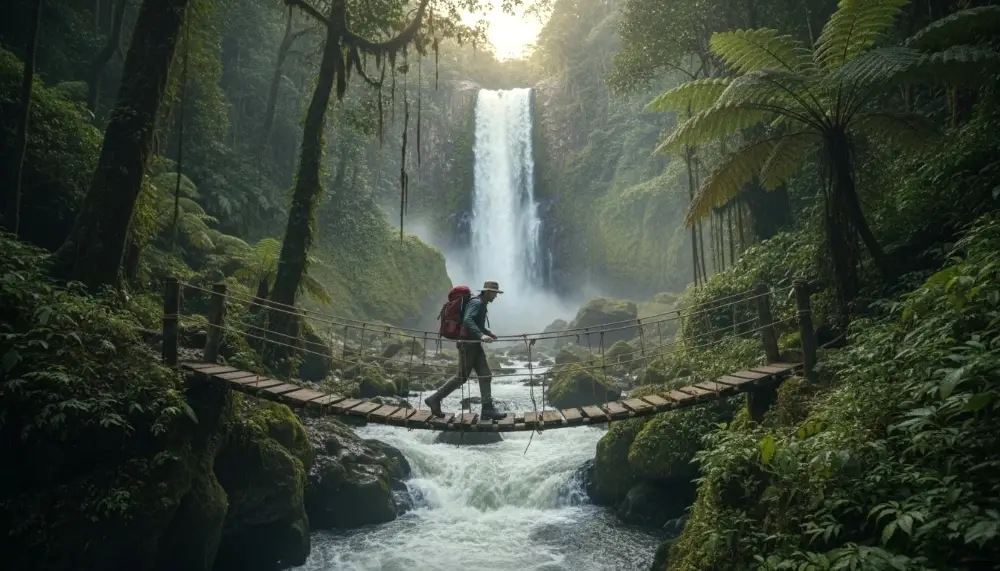
Pai and Mae Hong Son: Remote Northern Canyons
Three hours northwest of Chiang Mai, the mountain town of Pai sits at the centre of some of the least-visited canyoning terrain in the country. The creek systems here are narrower and more technical, cutting through red laterite gorges and forested limestone rather than the granite slabs further south.
Operator availability is limited compared to Chiang Mai, so advance booking through platforms like Klook is essential. Expect to pay around 2,200 to 3,000 THB (62 to 85 USD) for a guided half-day excursion. The upside is dramatically smaller group sizes, often just four to six people, which means more time at each feature and a more personal experience overall. The 12GO platform is useful for locking in the bus connection from Chiang Mai to Pai ahead of time, especially around Thai public holidays when minivan services fill up several days in advance.
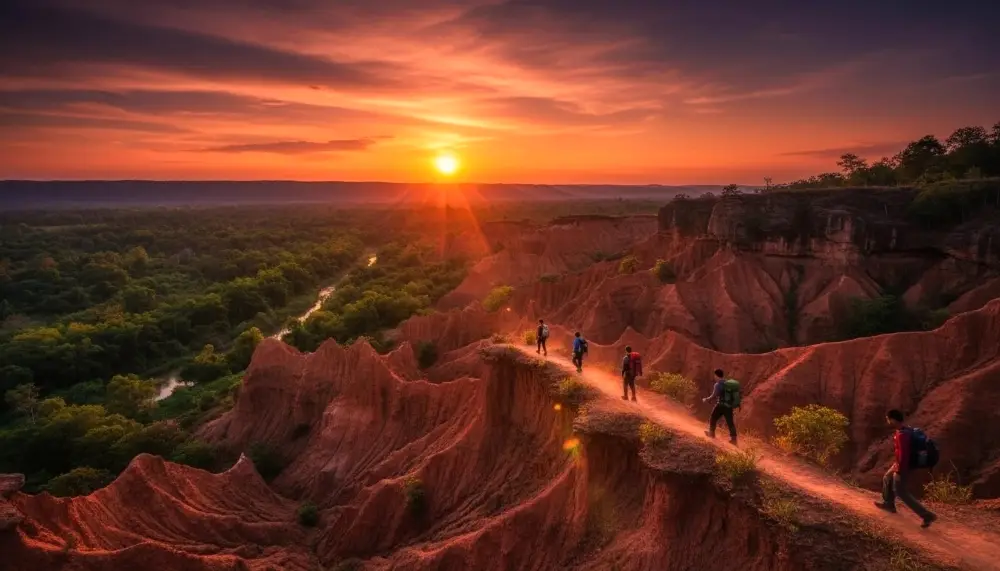
Kanchanaburi: Waterfalls and Canyon Day Trips from Bangkok
Kanchanaburi, roughly three hours west of Bangkok, is best known for the Bridge on the River Kwai and the WWII history that surrounds it. It is less well known as a base for adventure sports, but the Erawan and Huai Khamin waterfall systems in the surrounding national parks offer guided canyoning experiences that are particularly accessible for Bangkok-based travellers or those passing through on a longer circuit.
Day trips from Bangkok typically include transport, guide, gear, and national park entry. Budget around 2,800 to 3,800 THB (79 to 107 USD) all-in for a day excursion including return transfers. Get Your Guide lists several verified operators for this route with mobile ticket redemption, which is convenient if you are juggling a busy Bangkok itinerary. For overnight stays near the canyon sites, Agoda offers strong rates on riverside guesthouses in Kanchanaburi town, particularly mid-week when occupancy drops sharply.

Skip-the-line tickets and guided walks
in Thailand with English-speaking
guides. Read real traveller reviews
before committing to a single one.
Cost Comparison: Canyoning Options at a Glance
Prices below reflect 2026 guided rates including equipment, safety briefing, and transfers from the nearest town. Exchange rate used: 1 USD = 35.50 THB.
| Location | Trip Type | Cost (THB) | Cost (USD) | Best For |
|---|---|---|---|---|
| Chiang Mai | Half-day beginner | 1,800 to 2,500 | 51 to 71 | First-timers, families |
| Chiang Mai | Full-day advanced | 3,500 to 4,500 | 99 to 127 | Experienced adventurers |
| Pai | Half-day small group | 2,200 to 3,000 | 62 to 85 | Remote seekers, solo travellers |
| Kanchanaburi | Full-day from Bangkok | 2,800 to 3,800 | 79 to 107 | Bangkok visitors, history lovers |
What a Canyoning Day Actually Looks Like
Most operators in Chiang Mai follow a similar structure. A pickup from your accommodation or a central meeting point happens between 7:30 and 8:00 AM. The drive to the canyon entrance takes 40 to 60 minutes, during which your guide will run through the safety briefing and outline the day’s features.
At the canyon entrance you are kitted out with a wetsuit top (essential even in hot weather as the water stays cold), a helmet, a harness, and gloves. Experienced guides run a quick abseil practice on a low practice wall before the group enters the canyon. No prior abseiling experience is needed for beginner routes.
Once inside, the canyon dictates the pace. Features are encountered naturally as you move downstream. A typical half-day includes two to three abseils ranging from 4 to 15 metres, one or two natural rock slides polished smooth by centuries of water, and at least one jump point with a depth-checked plunge pool. Guides are positioned at every key feature to assist, photograph, and provide safety support. The whole experience is far less intimidating than it sounds on paper and considerably more fun than most people expect.

Who Can Do It: Fitness, Age, and Experience Levels
Beginner canyons in Chiang Mai are genuinely accessible. Most operators set a minimum age of 10 to 12 years, a minimum body weight of 30 kg for harness safety, and a maximum weight of around 110 kg. You do not need to be fit in any athletic sense. The pace is slow, rest breaks are frequent, and features are optional where conditions allow.
What helps is a reasonable comfort level with water and heights. If either of those causes genuine anxiety, it is worth having an honest conversation with the operator before booking. Most guides are well-practised at coaching first-timers through the nervous moments, and the majority of people who arrive at their first jump platform tentative end up doing it twice. For advanced routes requiring technical rope skills, prior experience or a skills progression session with the same operator is usually required.
Families travelling with children aged 10 and above will find the half-day Chiang Mai beginner circuit an excellent choice. It is physically engaging without being overwhelming, and children consistently rate it as one of the highlights of a Thailand trip.


Skip the airport kiosk queue in Thailand.
Airalo eSIMs are pre-loaded before
you fly and ready the instant you
connect to the local network.
Best Time of Year to Go Canyoning in Thailand
Timing matters considerably for canyoning in Thailand, and it differs from the beach holiday calendar most visitors follow. Unlike the islands, which reward dry season travel, canyoning actually needs water in the gorges to function properly. Too little rainfall leaves some features as trickles rather than cascades, while genuinely extreme rainfall after heavy storms can make certain routes unsafe.
For northern Thailand (Chiang Mai, Pai, and the surrounding ranges), the sweet spot runs from late June through to early February. September and October sit within the peak of the wet season and deliver the most dramatic water volumes, but operators monitor conditions carefully and will reschedule groups if flash flood risk is elevated. November through January is considered optimal: water levels are strong from the preceding rains, the air temperature is cooler and more comfortable for sustained physical activity, and visibility inside the gorges is at its clearest.
March, April, and May are generally too dry for satisfying canyoning in the north. Operators either pause activity or run heavily reduced itineraries during this period. The Kanchanaburi options are similarly affected, with the July to November window being the most reliable.

Compare hotel prices across Thailand’s
best areas and book with confidence.
Filter by budget, location, or score
to find the right stay for your trip.
What to Bring and How to Prepare
Operators provide all technical gear: harness, helmet, rope, descending device, and wetsuit top. What you need to bring yourself is straightforward.
Wear quick-dry shorts or lightweight leggings under the wetsuit layer. Old trainers or trail runners with good grip work well and will get thoroughly soaked. Sandals and flip-flops are a trip hazard and should stay at the van. Bring a small dry bag for your phone and wallet. Most operators offer waterproof pouches but availability varies. Leave valuables at your accommodation.
Staying connected en route to the canyon matters more than people realise. When your transport to the trailhead involves a Grab or Bolt pickup from your hotel, local apps require a working mobile data connection for SMS verification.
Activating an Airalo, Yesim, or Saily eSIM before you leave home means your apps are verified and ready the moment you clear the baggage carousel, with no scrambling for airport Wi-Fi or queuing for a physical SIM. Once in the canyon, you will obviously be offline, but having live GPS and maps accessible at the trailhead for rendezvous coordination is genuinely useful. NordVPN is worth running on your phone when booking activities through resort or cafe Wi-Fi networks, which is the norm in Chiang Mai’s Old City.

Safety, Insurance, and What Operators Should Provide
Canyoning sits firmly in the category of adventure activities that standard travel insurance policies quietly exclude. Before you book, check your policy small print for specific exclusions around abseiling, technical rope work, and water-based adventure activities. The phrases to look for are “canyoneering,” “abseiling,” and “cliff jumping.” If these are excluded, you need a specialist policy or an extension before you go.
For remote canyon locations, emergency medical evacuation coverage is non-negotiable. An airlift from a mountain gorge to a Chiang Mai hospital is an expensive operation that can easily reach 80,000 to 150,000 THB (2,250 to 4,225 USD) without coverage. Travellers staying longer or working remotely in Thailand should look at SafetyWing’s Nomad Insurance as a supplementary option that provides healthcare continuity across scenarios standard short-term policies do not touch.
When vetting operators, these are the non-negotiables: certified guides with IRATA or SRT (Single Rope Technique) qualifications, a pre-trip safety briefing that covers every feature in the canyon, appropriate group-to-guide ratios (no more than six participants per guide on beginner routes, four per guide on advanced), and rescue equipment carried by guides at all times. Booking through Klook or Get Your Guide provides an additional filter, as both platforms vet operators and handle dispute resolution if something goes wrong.

Need budget data in Thailand? Saily’s
eSIM plans start cheap and install
in a couple of minutes. Built by
the NordVPN team, security is solid.
Combining Canyoning with the Rest of Your Thailand Trip
The natural pairing for a canyoning trip is a broader northern Thailand circuit based around Chiang Mai. Two to three days in the city itself covers the temple circuit (Doi Suthep is a must), the night markets, and a cooking class booked through Klook. Add a day trip to Doi Inthanon National Park for Thailand’s highest peak and the remarkable twin Royal Chedis. Then allocate one full day to canyoning before heading further north toward Pai or Chiang Rai.
For travellers arriving via Bangkok, the Kanchanaburi canyoning option integrates cleanly into a broader central Thailand itinerary. Many visitors combine the canyon day trip with the Erawan National Park waterfalls and the WWII Death Railway bridge in a two-night stay. Agoda and Booking.com both list good options around Kanchanaburi town, and it is worth comparing both platforms as pricing can vary noticeably for this destination. If a flight delay on your inbound journey affected your plans, AirHelp processes compensation claims for Thai domestic and international routes and is worth checking before your trip ends.
For families arriving at a major hub with luggage and children in tow, Welcome Pickups offers pre-negotiated airport transfers with named drivers, which removes the pier-side chaos that can accompany group arrivals. It is a particularly sensible option if you are landing at Chiang Mai International (CNX) with children after a long-haul connection.

Canyoning for Digital Nomads and Long-Stay Visitors
Chiang Mai has become one of the most established digital nomad bases in Southeast Asia, and for remote workers based there, canyoning is one of the most accessible weekend escapes in the region. The combination of a strong co-working infrastructure in the city and genuinely wild natural terrain within an hour’s drive creates an unusual quality of life that keeps people extending their stays.
Long-stay visitors taking advantage of month-to-month accommodation on Agoda (the platform consistently delivers better rates than international alternatives for extended stays in Chiang Mai) can build canyoning into a regular weekend rotation. The Nimman area of Chiang Mai has strong fibre connectivity throughout, and using NordVPN across cafe and co-working Wi-Fi networks provides an essential security layer for banking and client communications. SafetyWing’s Nomad Insurance is the most sensible healthcare option for remote workers planning stays beyond 30 days, covering everything from canyon scrapes to hospital visits at a fraction of standard expat medical plan costs.

The Real Appeal: Why People Come Back for More
Ask anyone who has canyoned in Thailand what surprised them most and the answer is almost always the same: the silence inside the gorge. Away from roads, tour buses, and the ambient noise of popular tourist sites, a jungle canyon has a particular quality of quiet that most travellers never encounter in Thailand. The sound of water echoing off polished rock walls, the canopy closing overhead, and the sensation of genuinely being somewhere that very few people ever reach, even in a country that receives tens of millions of visitors per year.
It is that contrast which makes canyoning so compelling as part of a broader Thailand itinerary. A morning in the gorge followed by an afternoon in a Chiang Mai coffee shop feels like two entirely different worlds occupying the same day. Thailand has a remarkable ability to deliver exactly that kind of tonal shift, and canyoning is one of the clearest expressions of it.


Maps, Grab, translation apps all need
data in Thailand. Yesim’s eSIM installs
in a minute and gives you reliable
5G from the moment you arrive.
Frequently Asked Questions
Where is the best place to go canyoning in Thailand?
Chiang Mai is the strongest base, with the most operators, the most developed canyon routes, and the easiest logistics. The gorges south of the city around Doi Inthanon are the most accessible for first-timers. Pai offers a more remote experience with smaller groups. Kanchanaburi is the best option for visitors based in Bangkok.
How much does canyoning cost in Thailand in 2026?
A half-day beginner trip in Chiang Mai runs 1,800 to 2,500 THB (51 to 71 USD) per person including equipment and a guide. Full-day advanced canyons cost 3,500 to 4,500 THB (99 to 127 USD). Kanchanaburi day trips from Bangkok, including return transfers, range from 2,800 to 3,800 THB (79 to 107 USD). Booking through Klook or Get Your Guide often secures better prices than walk-in rates.
Do I need experience to go canyoning in Thailand?
No prior experience is needed for beginner routes. Operators run a full safety briefing and a practice abseil before entering the canyon. Basic water comfort and a reasonable head for heights help, but guides are trained to coach nervous first-timers through every feature. Advanced routes require either prior technical experience or a progression session with the same operator.
What is the best time of year to go canyoning in Chiang Mai?
November through January is the sweet spot: water levels remain strong from the preceding wet season, temperatures are cooler for sustained activity, and gorge visibility is at its best. September and October deliver the most dramatic water volumes but require flexible itineraries around weather closures. March through May is generally too dry for satisfying canyoning in northern Thailand.
Is canyoning safe for children in Thailand?
Yes, on beginner routes with reputable operators. Most set a minimum age of 10 to 12 years and a minimum weight of 30 kg for harness safety. The half-day Chiang Mai beginner circuit is a well-tested family option. Book through platforms like Klook to confirm the operator’s child-specific safety policies and group size limits before paying.
Does travel insurance cover canyoning in Thailand?
Standard policies frequently exclude abseiling, cliff jumping, and technical rope activities. Read the small print carefully before your trip. Look for explicit inclusion of canyoneering or adventure sports cover, and confirm that emergency medical evacuation is included. Evacuation from a remote northern canyon to a Chiang Mai hospital can cost 80,000 to 150,000 THB (2,250 to 4,225 USD) without coverage. SafetyWing is worth considering for longer stays.
Can I go canyoning during Thailand’s monsoon season?
Experienced operators run canyons through much of the wet season, as water in the gorge is what makes the experience worthwhile. What operators monitor carefully is flash flood risk following sustained heavy rainfall. Itineraries should remain flexible from September through November. Always book with an operator offering free rescheduling due to weather, which most reputable Chiang Mai operators do as standard.
What should I wear and bring for a canyoning trip in Thailand?
Wear quick-dry shorts or lightweight leggings and old trainers with good grip. The operator provides a wetsuit top, helmet, harness, and gloves. Bring a small dry bag for your phone and wallet. Leave jewellery and valuables at your accommodation. Activate a mobile data eSIM (Airalo, Yesim, or Saily) before departure so Grab or Bolt works from arrival for transport to the trailhead.
How do I get to the canyoning sites from Chiang Mai city?
Most operators include a pickup from central Chiang Mai or Nimman area hotels in the tour price. If arranging your own transport to a meeting point, use Grab or Bolt rather than metered taxis. For self-drive visitors, the main canyon entrances south of the city are accessible via Route 108 toward Chom Thong. Download offline maps before heading into the hills as mobile signal weakens on mountain roads.
Is canyoning in Thailand worth it compared to other activities?
For travellers who have already done the standard itinerary items, canyoning delivers a genuinely different quality of experience. The combination of physical challenge, remote natural terrain, and complete immersion in jungle gorges that most tourists never see makes it one of the highest-value adventure activities available in Thailand by price per experience. At 1,800 to 2,500 THB (51 to 71 USD) for a half-day with everything included, it compares very favourably to equivalent adventure experiences in Europe or Australia.