Thailand Travel with a Disability: What’s Accessible and What’s Not
This site contains affiliate links. We may earn a commission at no extra cost to you.
Thailand has one of the most rewarding travel cultures in Southeast Asia, and that warmth extends to travellers with disabilities, even when the infrastructure doesn’t always keep pace. The honest truth is this: Thailand can be genuinely wonderful for visitors with mobility challenges, visual impairments, or chronic health conditions, but it requires sharper planning than a standard trip. The country’s accessibility landscape is uneven, sometimes brilliantly good, sometimes surprisingly challenging, and rarely predictable.
This guide cuts through the vagueness. It tells you exactly which destinations, transport options, and accommodation types work well, which ones need workarounds, and how much you should budget for the support services that make the difference between a stressful trip and an extraordinary one. All prices use the current 1 USD to approximately 35 THB exchange rate.
The Honest Accessibility Picture in Thailand
Thailand does not have the standardised accessibility framework that travellers from the UK, US, or Australia may be accustomed to. There is no nationwide equivalent of the Americans with Disabilities Act or the UK’s Equality Act enforcing consistent ramp widths, tactile paving standards, or lift requirements across public spaces. What exists instead is a patchwork: international resort chains that meet global standards, newer government infrastructure that has improved significantly since 2022, and older streets, temples, and transport systems that remain genuinely difficult for wheelchair users or people with limited mobility.
The gap between a five-star resort in Phuket and a budget beach bungalow on Koh Tao is vast. Understanding that gap, and planning around it, is what transforms a potentially difficult trip into a genuinely great one.


From boutique guesthouses to five-star
resorts, Agoda has Thailand covered.
Strong Asia inventory means deeper
discounts than you’d find elsewhere.
Accessibility by Destination: Where to Go First
Phuket: The Strongest Accessible Base
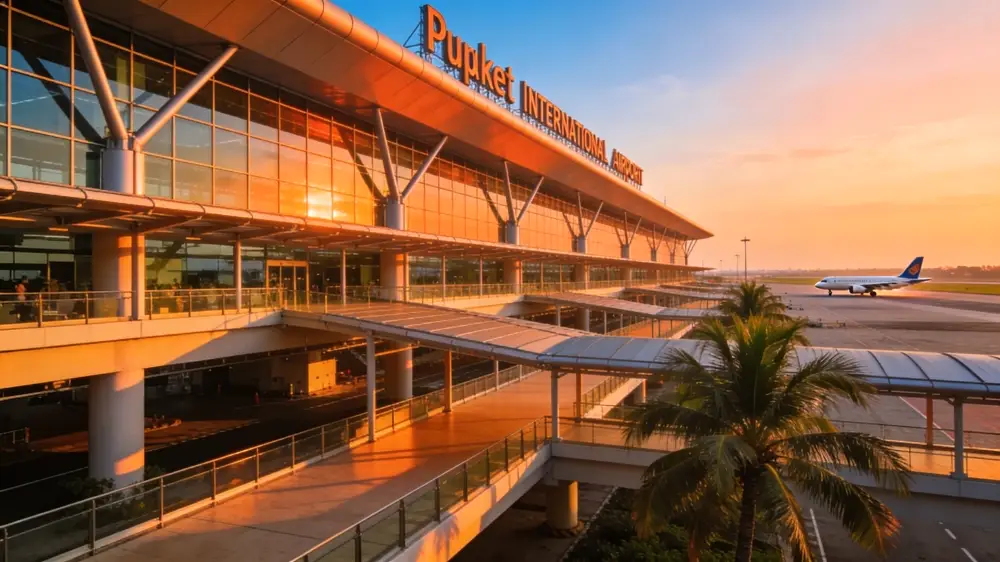
Phuket is the best starting point for travellers with disabilities. Its international airport (HKT) has lifts, dedicated assistance services, and accessible toilets throughout the terminal. Once through arrivals, the Grab app’s GrabAssist option connects you with vehicles that have more space and driver training for passengers with mobility needs. A private accessible van transfer to your resort costs approximately 1,200 to 1,800 THB ($34 to $51) through Welcome Pickups, which pre-arranges the vehicle type and confirms accessibility before you land.
The resort strip along Bang Tao and Laguna Phuket has the most consistent wheelchair-friendly infrastructure on any Thai island. Resorts like the Banyan Tree Phuket and the Angsana Laguna offer roll-in shower rooms, pool lifts, and beach wheelchairs available on request, usually at no extra charge. Beach access on Bangtao is genuinely good by Thai standards, with firm sand and some hard-surface pathways reaching the waterline.

Koh Samui: The Gulf’s Most Accessible Island
Koh Samui has an airport (USM), international-standard medical facilities at Bangkok Hospital Samui, and a growing number of resorts that take accessibility seriously. The northern and eastern beaches, particularly Choeng Mon and Maenam, are calmer and flatter than Chaweng, making them better choices for mobility-impaired visitors. The Hyatt Regency Koh Samui and Kimpton Kitalay Samui both offer accessible room categories; always confirm roll-in shower availability directly with the hotel before booking, as the definition of “accessible room” varies between properties.
The ring road around Samui is well-paved and easy to navigate by scooter taxi or private hire car. Songthaews (the open-backed shared trucks used as buses) are not wheelchair accessible, but Grab operates reliably across the island. Budget approximately 200 to 400 THB ($6 to $11) per journey for a private car hire within the island.

GetYourGuide has Thailand’s best
tours and experiences covered with
verified operators and instant
mobile vouchers on arrival.
Accessibility Comparison: Key Island Destinations
Use this table as a planning baseline. Ratings reflect the experience for a full-time wheelchair user travelling without a personal carer.
| Destination | Accessibility Rating | Best For | Daily Accessible Budget |
|---|---|---|---|
| Phuket | ★★★★☆ Good | All disability types | 4,500 THB / $129 |
| Koh Samui | ★★★☆☆ Moderate | Mobility, medical needs | 4,000 THB / $114 |
| Krabi / Ao Nang | ★★★☆☆ Moderate | Visual impairment, low mobility | 3,800 THB / $109 |
| Koh Phi Phi | ★★☆☆☆ Difficult | Ambulatory disability only | 5,000 THB / $143 |
| Koh Tao | ★★☆☆☆ Difficult | Ambulatory disability only | 4,200 THB / $120 |
| Koh Lanta | ★★★☆☆ Moderate | Mobility, remote workers | 3,500 THB / $100 |
| Koh Lipe | ★☆☆☆☆ Very Difficult | Not recommended solo | 5,500 THB / $157 |
What’s Genuinely Not Accessible (And Why)
The ferry and longtail boat system is the most significant barrier for wheelchair users across the whole country. Most Thai ferry piers were built without ramp access. Boarding a standard Lomprayah or Seatran catamaran at busy piers involves steep gangplanks, steps, and a moving gap between the pier and the vessel hull. On calmer days, the crew are genuinely helpful and will carry passengers with limited mobility on and off, but this is not a solution that works for every traveller or every sea condition.
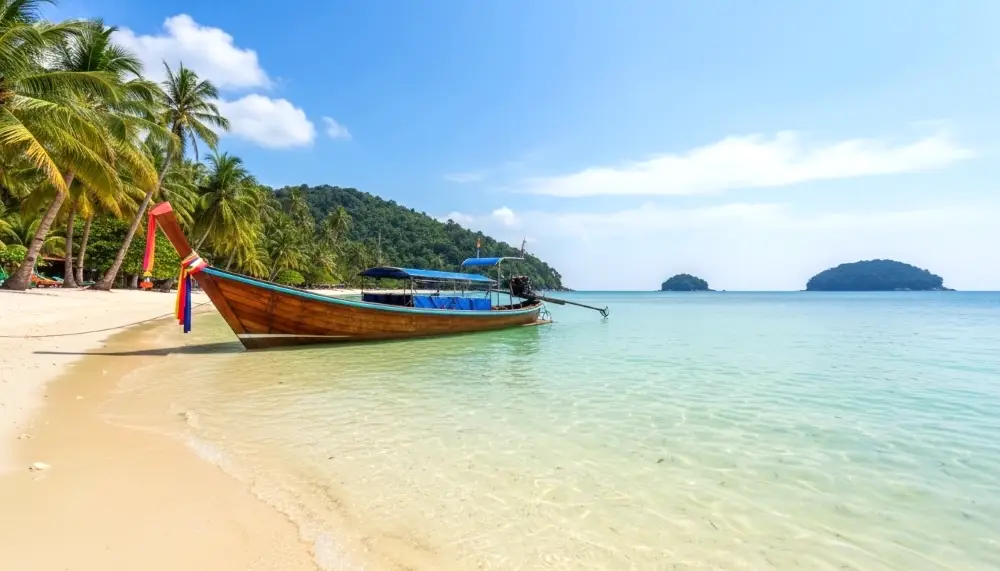
Longtail boats, the iconic wooden vessels used for shorter hops and bay tours, require stepping over a high gunwale and balancing on a rocking deck. This is realistically not possible without assistance for most wheelchair users, and not possible at all in moderate swell. If your itinerary depends on longtail access to beaches like Railay or Maya Bay, factor in the need for a travelling companion or professional guide.

Temples and Historical Sites

Most of Thailand’s famous temples were built on raised platforms specifically designed to be approached by steps as an act of reverence. Wat Chalong in Phuket, Wat Phra That Doi Suthep in Chiang Mai, and the Grand Palace complex in Bangkok all involve significant stairways with no accessible alternative routes. Staff at these sites are almost always willing to assist, but the architectural reality cannot be circumvented.
The exceptions worth knowing: Wat Pho in Bangkok has partially accessible ground-floor sections. The Big Buddha temple on Koh Samui can be partially viewed without climbing. The main courtyard of many larger wats is accessible at ground level even if the inner sanctum is not. Before booking an excursion, check Get Your Guide or Klook for tours that specifically list accessibility accommodations. Some operators have adapted their routes to maximise what mobility-impaired visitors can actually experience.
Getting Around: Transport Options Compared
The Grab app is the single most useful tool for accessible travel in Thailand. It replaced the chaotic unlicensed taxi system with metered, app-tracked rides and added a GrabAssist option that filters for drivers trained to assist passengers with mobility challenges. The key rule is to activate your Airalo, Yesim, or Saily eSIM data plan before you land. Grab requires an SMS verification code the moment you open the app, and this happens at the baggage carousel before you reach the taxi ranks. Without live mobile data you cannot complete the registration, and the airport Wi-Fi is unreliable for that step.
For group arrivals or travellers who want a named driver confirmed before departure, Welcome Pickups is excellent. The service allows you to specify vehicle type and accessibility requirements in advance, so a wheelchair-accessible van is waiting at arrivals rather than negotiated on the kerb. A Phuket airport to Patong transfer through Welcome Pickups costs approximately 1,400 THB ($40). If flights are delayed significantly and you need compensation support, AirHelp handles the paperwork for Thai domestic and international claims.


Compare tours and tickets for Thailand
and book instantly on your phone.
Klook mobile vouchers mean no
printing, just turn up and go.
Accessible Adventures: What You Can Actually Do
The adventure options for disabled travellers in Thailand are wider than most people expect. A few highlights:
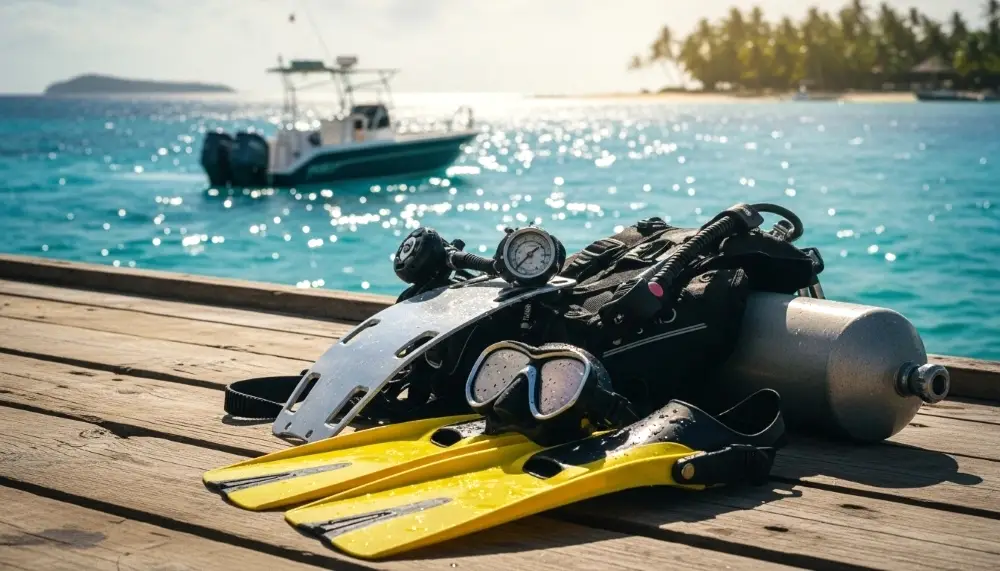
Scuba Diving: Scuba Cat in Phuket is one of the few dive centres in the country with certified instructors experienced in adaptive diving. They have worked with non-certified wheelchair users and trained divers with upper and lower limb differences. A Discover Scuba Diving session costs approximately 3,500 THB ($100) and includes full in-water support. While the boat itself is not purpose-built for wheelchair access, the crew manages the transfer with advance notice.
Snorkelling by Private Charter: Chartering a private speedboat rather than joining a shared tour gives you complete control of boarding and departure timing, removes the crowd pressure of group tours, and allows the captain to find calmer boarding conditions. A half-day private speedboat from Phuket costs 5,000 to 8,000 THB ($143 to $229) for the boat, not per person. Split between four people, this is genuinely competitive with group tour pricing. Book through Klook for insured operators with verified reviews.
Cooking Classes: Several of the highly-rated cooking schools on Koh Samui and Phuket operate from single-storey, open-plan facilities with no steps. This makes them among the most naturally accessible cultural experiences in Thailand. Look for ground-floor kitchen setups when filtering options on Get Your Guide, and email the operator directly to confirm workspace height and toilet access. Most classes run 3 to 4 hours in the morning and cost 1,500 to 2,000 THB ($43 to $57) per person.
Night Markets: The flat, paved night markets on Koh Samui’s Fisherman’s Village strip and the Walking Street in Phuket Old Town are among the easiest environments in Thailand for wheelchair navigation. Arrive early (before 6:30 PM) before the crowd density makes manoeuvring difficult. The stall operators are accustomed to diverse visitors and excellent at adapting their service.


Skip the airport kiosk queue in Thailand.
Airalo eSIMs are pre-loaded before
you fly and ready the instant you
connect to the local network.
Accessible Accommodation: What to Look For and Where to Book
Booking accessible accommodation in Thailand requires more active verification than in Europe or North America. The “accessible room” checkbox on Agoda and Booking.com often means nothing more than a grab rail in the bathroom. Always follow up with a direct email or phone call asking specifically about: roll-in or walk-in shower (no lip threshold), room to a pool entrance without steps, and distance from car drop-off to room entrance.
Agoda consistently returns better rates than international booking platforms for accessible categories in Thailand, particularly for mid-range resorts on Samui and beachfront properties in Phuket. Use Booking.com as a price comparison for Koh Lipe and the Deep South, where Agoda‘s inventory can be thinner. Budget mid-range accessible rooms start at around 1,800 to 2,500 THB ($51 to $71) per night in Phuket and Samui. Five-star accessible suites at the Banyan Tree or Hyatt Regency tier start from 8,000 THB ($229) upward.
Specialist Accessible Travel Services in Thailand
The most important development in Thai accessible tourism over the past few years is the growth of specialist operators. BB Travels (bb-travels.com) is run on a “Disabled Supporting Disabled” model, meaning the team has direct personal experience of the challenges involved. They provide custom wheelchair-accessible vans with ramps and locking systems, tailor-made itineraries across Phuket and Krabi, beach wheelchair hire, and booking of the specific accessible accommodation categories that genuinely deliver on their descriptions.
Using a specialist operator like this typically adds 20 to 30% to the trip cost compared to self-booking, but removes the single largest risk in disabled travel in Thailand: arriving to find that the “accessible” room has a 15cm shower lip and the hotel pool can only be reached by steps. For a 10-day trip, that premium is 8,000 to 12,000 THB ($229 to $343) and is, for most travellers, absolutely worth it.


Saily’s Thailand eSIM costs less than
most tourist SIMs charge per day.
Easy install, transparent pricing,
and solid NordVPN infrastructure.
Pro Tips for Stress-Free Accessible Travel

Connectivity first. Activate your Airalo or Yesim eSIM before you board the plane. Both services use the AIS and True Move networks and deliver reliable 4G coverage across all the main islands. Without live data at the airport you cannot verify the Grab app, contact your transfer driver, or confirm hotel details. This single step prevents the most common arrival stress for all travellers, and is especially critical when you have mobility equipment to coordinate.
Insurance that actually covers you. Standard travel insurance frequently excludes water-based activities including speedboat transfers and snorkelling. Read the small print and confirm that your policy covers assisted boarding of boats and any adaptive sports activities you plan. For remote workers or longer stays, SafetyWing’s Nomad Insurance is tailored specifically to healthcare coverage in Thailand at a fraction of standard expat medical plan costs, and it handles the kind of multi-week health scenarios that standard trip insurance ignores.
Security on shared networks. Resort and cafe Wi-Fi across the islands is shared infrastructure. For anyone managing medical records, insurance claims, or banking remotely, NordVPN running on all devices adds a layer of encryption that is especially important when you are coordinating health-related financial transactions from a beach bungalow.
Currency. Always carry physical THB in 100 and 500 denominations. Accessible beach hire, porter tipping (essential for luggage up steps at some piers), and small transport hires are all cash transactions. At ATMs, always choose “Continue Without Conversion” to avoid the Dynamic Currency Conversion fee. Standard ATM charge is 220 THB ($6) per withdrawal.

Maps, Grab, translation apps all need
data in Thailand. Yesim’s eSIM installs
in a minute and gives you reliable
5G from the moment you arrive.
For Remote Workers and Long-Stay Visitors
Koh Lanta stands out as the most practical long-stay island for travellers with disabilities. Its flat terrain, well-maintained ring road, reliable 4G coverage on the west coast, and laid-back pace make it far easier to navigate than Koh Phi Phi or Koh Tao. The co-working scene is smaller than Samui but growing, and long-stay one-bedroom apartments with ground-floor access can be found on Agoda for 18,000 to 28,000 THB ($514 to $800) per month outside the November-to-January peak.
Bangkok, the natural gateway for most trips, has improved its accessibility infrastructure significantly. The BTS Skytrain now has lifts at a majority of stations, and several central lines cover most tourist areas with step-free access. The MRT underground system is fully lift-equipped. Grab’s private car option removes the barrier of public bus inaccessibility entirely. Use 12GO to pre-book intercity bus and train travel if your itinerary includes moving between Bangkok and the south, and book well ahead around Thai national holidays when accessible seats on overnight trains sell out earliest.
The Bottom Line: Thailand Is Worth It

Thailand will not always make things easy for disabled travellers. The pavements can be buckled, the piers can be steep, and the “accessible” checkbox on a booking site can mean almost anything. But the country’s warmth, the willingness of staff to go genuinely out of their way to help, and the extraordinary natural beauty waiting on the other side of those challenges make it a deeply rewarding destination. Many travellers with significant mobility impairments describe their Thai trips as among the most joyful of their lives.
The formula for success is consistent: choose your first destination wisely (Phuket or Samui), verify your accommodation directly before booking, have Airalo or Yesim active on your phone before you land, use Grab or Welcome Pickups for every transfer, and consider a specialist operator for at least the first itinerary. The logistics are solvable. The magic, once you are sitting at the edge of an infinity pool watching the Andaman Sea turn gold, is entirely real.
Frequently Asked Questions
Is Thailand a good destination for wheelchair users?
Yes, with the right planning. Phuket and Koh Samui are the most accessible starting points, with international-standard resorts, airport assistance services, and Grab’s GrabAssist option for adapted transport. Smaller islands like Koh Phi Phi and Koh Lipe are far more challenging due to uneven terrain and inaccessible ferry boarding. Choosing your itinerary carefully makes an enormous difference to the overall experience.
Which Thai island is easiest for wheelchair users?
Phuket is the most accessible overall, with the widest range of accessible resort infrastructure, beach wheelchairs at certain resorts, and reliable Grab coverage. Koh Samui is the best Gulf of Thailand option, particularly along the calmer northern and eastern beaches. Koh Lanta is excellent for longer stays due to its flat terrain and reliable roads. Avoid Koh Phi Phi, Koh Tao, and Koh Lipe for solo wheelchair travel.
Can I board Thai ferries in a wheelchair?
It is difficult and depends heavily on sea conditions and pier design. Most Thai ferry piers do not have purpose-built ramp access. Large Lomprayah and Seatran catamarans have crew willing to assist with boarding, but the process involves steep gangplanks and an unstable gap between pier and hull. For confident transfers, hire a specialist operator such as BB Travels who pre-arranges boarding assistance and selects departure times around calmer sea conditions.
How much extra should I budget for accessible travel in Thailand?
Budget roughly 20 to 30% more than a standard trip. A basic mid-range accessible room costs 1,800 to 2,500 THB ($51 to $71) per night on Phuket or Samui. Private Grab or Welcome Pickups transfers add 400 to 1,400 THB ($11 to $40) per journey compared to public transport. Private boat charters instead of shared tours cost 5,000 to 8,000 THB ($143 to $229) for the vessel. Using a specialist accessible tour operator adds around 8,000 to 12,000 THB ($229 to $343) to a 10-day trip, but prevents the most common and costly arrival surprises.
What apps are most useful for disabled travellers in Thailand?
Grab is essential for accessible transport, specifically the GrabAssist filter for trained drivers with more vehicle space. Activate your Airalo, Yesim, or Saily eSIM before landing so Grab’s SMS verification works at the baggage carousel. Welcome Pickups is better than Grab for airport arrivals when you need a vehicle type confirmed in advance. Klook and Get Your Guide allow you to filter tours by wheelchair accessibility. 12GO books accessible intercity travel. NordVPN secures banking and health-related transactions on shared resort networks.
Is scuba diving possible for disabled travellers in Thailand?
Yes. Scuba Cat in Phuket is one of the few dive centres in Thailand with instructors specifically trained in adaptive diving. They have successfully dived non-certified wheelchair users and divers with limb differences. A Discover Scuba session costs approximately 3,500 THB ($100) with full in-water support. Book directly with the operator well in advance and discuss your specific requirements in detail. Other dive centres may also accommodate disabled divers on request, but Scuba Cat has the most documented experience.
Do Thai temples have wheelchair access?
Most do not, as they were architecturally designed with ceremonial staircases. Wat Pho in Bangkok has partial ground-floor access. The Big Buddha on Koh Samui can be viewed at courtyard level without climbing. Wat Chalong in Phuket and the Grand Palace in Bangkok both require significant stair climbing for full access. Always book temple excursions through Get Your Guide or Klook and filter for accessibility notes, or email the operator directly to confirm what portions of the site are reachable.
What travel insurance do disabled travellers need for Thailand?
Standard travel insurance frequently excludes water-based activities including speedboat transfers, snorkelling, and scuba diving, which are central to any island itinerary. Read the small print carefully for exclusions around boating activities and any depth limits for diving coverage. Confirm that emergency medical evacuation is included. For long-stay visitors or remote workers managing ongoing health conditions, SafetyWing’s Nomad Insurance is worth considering as a supplementary layer that covers extended healthcare scenarios standard trip policies do not address.
Is solo disabled travel in Thailand safe?
Thailand is generally safe, and locals are consistently willing to assist tourists with disabilities. The main practical risks are infrastructure-related rather than security-related: unexpected steps at pier entrances, broken pavement surfaces, and accommodation that does not match its accessibility listing. Mitigate these by verifying accommodation directly before booking, using Grab rather than street taxis, carrying a Thai-language card describing your specific needs, and activating a reliable eSIM so you are always contactable. Solo wheelchair users often find Phuket’s Laguna area and Koh Samui’s Maenam beach zone the most manageable environments.
What is the best time of year for disabled travellers to visit Thailand?
November to April is ideal for the Andaman coast (Phuket, Krabi, Koh Lanta) as calmer seas make ferry boarding and boat excursions significantly easier to manage. January to August suits the Gulf of Thailand islands (Koh Samui, Koh Phangan). Monsoon season creates additional challenges for disabled travellers beyond weather alone: gangplanks at piers become slippery, paths at beach resorts flood, and speedboat cancellations are more frequent, removing transport options that may be the only accessible route between islands. Peak dry season travel always means booking accessible accommodation well in advance as the best-adapted rooms fill first.