Overnight Glamping in Kanchanaburi: Best Pre-Booked Riverside Tents
This site contains affiliate links. We may earn a commission at no extra cost to you.
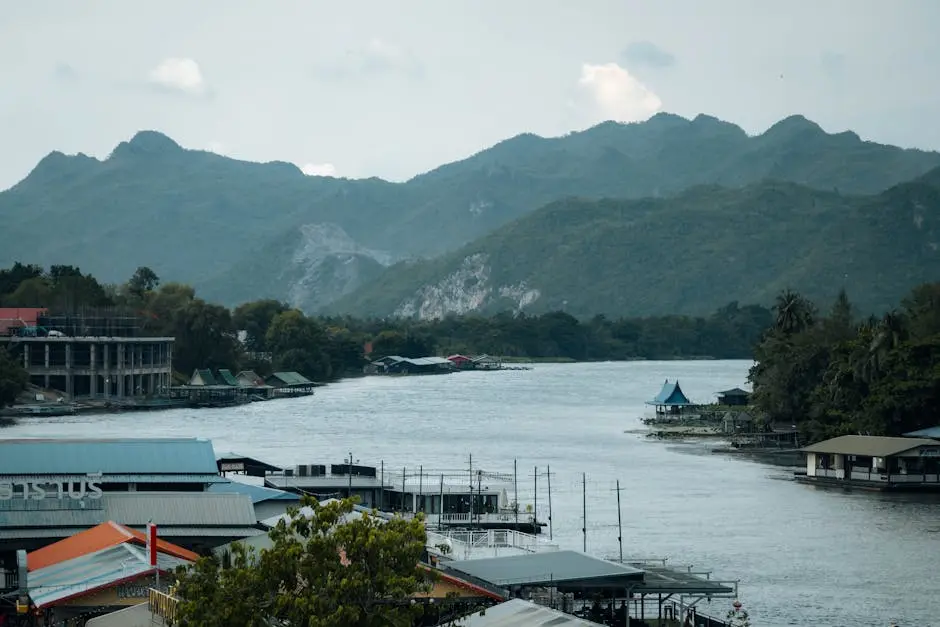
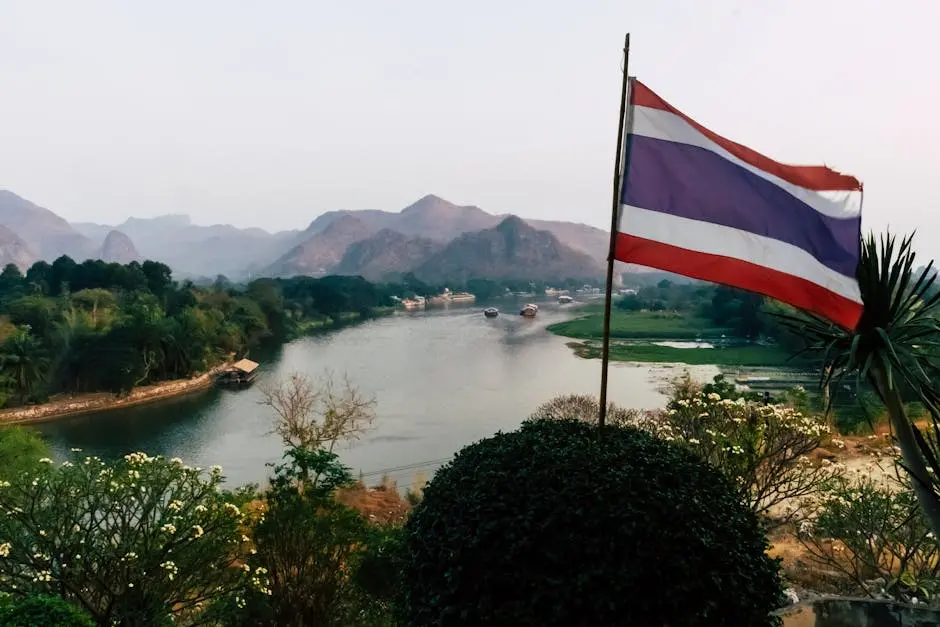
Kanchanaburi sits about three hours west of Bangkok, draped along the banks of the River Kwai where jungle presses right up to the water’s edge and the air carries the kind of stillness that city living slowly drains from you. Most visitors come for a day trip to see the famous bridge and the war cemeteries, tick the history boxes, and head back before dark. That is a perfectly decent way to do it. It is also, honestly, the lesser version of what Kanchanaburi has to offer.
Stay overnight in one of the province’s riverside glamping tents and you encounter a completely different place. The river at dusk, fireflies above the canopy, the smell of a campfire BBQ, waking up to birdsong with morning mist still hanging over the water. It costs less than most Bangkok hotels, and the memories outlast both.
This guide covers the best pre-booked glamping options across every budget tier, with current prices in both THB and USD, so you know exactly what you are committing to before you arrive.
Why Pre-Book Your Tent?
Kanchanaburi glamping is not a category where walk-ins work well. The top riverside tent camps sit outside town, accessible only by road transfers you need to arrange in advance. The better properties limit occupancy deliberately, which means a three-tent clearing on a clifftop above the Kwai Noi can fill weeks ahead during peak season (November to February) and over Thai public holidays.
Pre-booking locks in your price, your tent type, and often your meal package. It also gives the property time to organise transfers, activity guides, and anything else you need arranged before arrival. Agoda and Booking.com are the most reliable platforms for comparing real-time rates here. For curated day-tour add-ons such as Hellfire Pass guided walks, bamboo rafting, and cooking experiences, Klook and Get Your Guide list the most up-to-date options with verified reviews and the flexibility of free cancellation on most bookings.
One practical note before anything else: activate your Airalo, Yesim, or Saily eSIM before you leave Bangkok. Apps like Grab require an SMS verification code the moment you open them, and mobile signal drops in and out on the road to the more remote camps. Having data sorted at the baggage carousel in Bangkok removes that stress entirely.

Lock in your Kanchanaburi accommodation
early and beat peak-season price hikes.
Agoda’s filters let you compare options
side by side before you commit.
The Best Riverside Glamping Options in 2026
Hintok River Camp at Hellfire Pass (Premium Pick)
Hintok is the property that put Kanchanaburi glamping on the international radar, and visiting it in 2026 confirms the reputation is well earned. The camp perches on a cliff above the Kwai Noi river, roughly 80 kilometres north of Kanchanaburi town, on a site directly connected to the Death Railway history of the Second World War. That context gives a stay here a weight and meaning you simply do not get elsewhere.
The tents themselves are spacious canvas structures with proper wooden furniture, private verandas, air conditioning, and en-suite bathrooms including outdoor hot showers. The evening BBQ dinner around the campfire is the social centrepiece of any night here, with food quality that consistently surprises first-timers. A small natural spring-water pool sits on the cliff edge. The bar overlooks the river.
Rates start at approximately 3,150 THB (around $90 USD) per night for a Superior tent with dinner and breakfast included. Deluxe tents with full-board (three meals) come in at roughly 4,900 THB ($140 USD) per night. Saturday nights carry a surcharge of 1,200 THB per room, and Thai public holidays add 1,600 THB. A seven-day advance booking is required. Search Agoda alongside Booking.com for this one as platform pricing varies noticeably, particularly for midweek stays.
The Campster Kanchanaburi (Mid-Range Favourite)
The Campster sits along the Khwae Noi river about 15 kilometres south of the Hellfire Pass area and offers the widest variety of glamping accommodation styles in the province. Renovated in 2024, it now runs a fleet of Bell Tents, Glamping Domes, Yurt Tents, Two-Bedroom Family Tents, and a standout Riverfront Villa with an Upper Deck Dome, all fully air-conditioned with blackout drapes and LED televisions.
Entry-level Bell Tents for two start at approximately 1,575 THB ($45 USD) per night before taxes. The Riverfront Villa with Upper Deck Dome, sleeping four with direct water views, runs closer to 3,500 THB ($100 USD) per night. Family Bell Tents accommodating up to eight guests represent exceptional value for larger groups. The pool is a genuine selling point, the restaurant handles both Thai and Western menus capably, and the marshmallow-and-sparkler campfire set-up for children is a reliable hit with families.
Reliable 4G Wi-Fi throughout the property makes this the best glamping option in the area for remote workers. Book through Klook for package deals that bundle accommodation with local day tours, or use Agoda for standalone tent bookings where Genius discounts occasionally apply.
River Kwai Jungle Rafts (Eco-Float Experience)
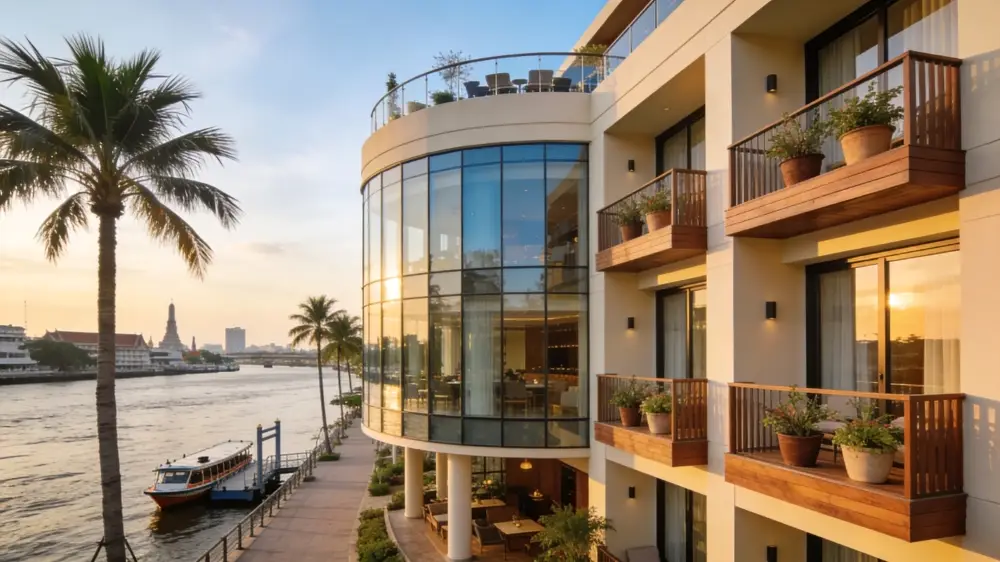
Kanchanaburi’s most unconventional overnight option is the River Kwai Jungle Rafts, a floating hotel concept that has operated on the river since 1976. This is not a glamping property in the Bell Tent sense, but the experience of sleeping on a raft directly on the water, accessible only by longtail boat, places it firmly in the same adventurous overnight category.
Rooms are simple bamboo-style structures lit by oil lamp in the evenings with no in-room electricity, which is precisely the point. The river current runs strong, so swimming directly off the raft is not recommended. Meals are included and consistently well-reviewed. The arrival journey by longtail boat through jungle-flanked bends of the Kwai sets the mood perfectly before you even check in.
Rates typically begin around 2,800 THB ($80 USD) per person per night with meals included, making it competitive against Hintok on a per-person basis for couples. This is an experience-first property: the no-electricity policy is not a bug, it is the whole idea. Families with young children should note the lack of pool and the strong river current. Book through Agoda or Booking.com and confirm longtail transfer arrangements 72 hours before arrival.

From classic Kanchanaburi highlights to
hidden-gem private tours. Cancel
free up to a day before your
start time if plans change.
Glamping Comparison: At a Glance
A quick reference before you commit to a booking.
| Property | Tent Style | Starting Price | Best For |
|---|---|---|---|
| Hintok River Camp | Canvas Luxury Tent | 3,150 THB / $90 USD | Couples, history travellers |
| The Campster | Bell Tent, Dome, Yurt | 1,575 THB / $45 USD | Families, remote workers |
| River Kwai Jungle Rafts | Floating Bamboo Rooms | 2,800 THB / $80 USD pp | Adventure-first travellers |
Getting to Kanchanaburi
From Bangkok, the most atmospheric arrival is the weekend tourist train from Thonburi station, which runs on Saturdays and Sundays and takes about two and a half hours. The route passes through farmland and bamboo groves before delivering you directly to Kanchanaburi town. Lock in train seats through 12GO ahead of weekends and Thai public holidays when demand spikes sharply.
Buses from the Southern Bus Terminal (Sai Tai Mai) depart throughout the day and cost roughly 120 THB ($3.50 USD) for the three-hour journey. Private cars from Bangkok via Grab or a pre-arranged service cost between 1,800 and 2,500 THB ($51 to $71 USD) depending on pickup point and traffic. For groups of four or more, a private transfer typically undercuts individual train tickets while adding door-to-door convenience. Welcome Pickups is worth knowing about for family arrivals needing a stress-free, pre-negotiated transfer from Bangkok airports directly to the camp gates.
Once in Kanchanaburi town, the camps further up the river (Hintok in particular) require an additional transfer of 45 to 90 minutes by road. Most properties organise this for a set fee of 500 to 800 THB ($14 to $23 USD) per vehicle when booked in advance. Confirm transfer arrangements at the time of booking, not on arrival.

Compare tours and tickets for Kanchanaburi
and book instantly on your phone.
Klook mobile vouchers mean no
printing, just turn up and go.
What to Do Beyond the Tent
The camps themselves organise most of the best activities, but it pays to know what is available before you arrive so you can build your itinerary rather than improvise. Hellfire Pass is the defining historical experience of this region. The cutting carved by Allied POWs through solid rock is a 45-minute walk from Hintok camp, and the adjacent memorial museum is genuinely moving. Entry is free. Most properties can arrange a guided walk for 600 THB ($17 USD) per person.
Bamboo rafting on the Kwai Noi costs around 500 THB ($14 USD) per person for a morning session and is exactly as peaceful as it sounds. Mountain biking through the riverside villages runs about 200 THB ($6 USD) for a half-day self-guided hire. Kayaking from camp to a nearby Mon village and back is typically included in higher-tier packages or bookable for 800 to 1,200 THB ($23 to $34 USD) per session.
For the JEATH War Museum in Kanchanaburi town and the Bridge over the River Kwai itself, Get Your Guide and Klook both list well-structured half-day guided tours from Bangkok that can be tailored as a day-before arrival excursion before you head to your camp. Booking through these platforms locks in your price and means no awkward pier-side haggling.

Skip the airport kiosk queue in Kanchanaburi.
Airalo eSIMs are pre-loaded before
you fly and ready the instant you
connect to the local network.
What Glamping Costs Per Day: Realistic Budget Guide
Currency baseline for this article: 1 USD = 35 THB.
| Budget Tier | Accommodation | Daily Spend (Est.) | Notes |
|---|---|---|---|
| Budget | Bell Tent (The Campster) | 2,100 THB / $60 USD | Meals at camp restaurant, shared activities |
| Mid-Range | Dome or Yurt Tent | 3,500 THB / $100 USD | One guided activity, two meals included |
| Premium | Hintok Luxury Canvas Tent | 5,600 THB / $160 USD | Full-board, guide, transfers included |
Pro Tips for a Smooth Stay
eSIM first. Activate Airalo, Yesim, or Saily before you leave Bangkok. Signal between the city and Hintok camp is patchy on the mountain sections. You want GPS navigation and Grab working before you hit the back roads.
Connectivity and security. The Campster has reliable resort Wi-Fi but it is a shared network. Run NordVPN on your device whenever accessing banking apps or making bookings from camp connections. This applies at any property using a shared router, which is all of them.
Cash matters. Carry physical THB in 100 and 500 denominations. Activity guides, longtail boats, and village market vendors do not accept cards. The nearest ATMs are in Kanchanaburi town. The standard withdrawal fee is 220 THB per transaction. Always select “Continue Without Conversion” at ATMs to let your home bank manage the exchange rate.
Pack light but pack right. The jungle is humid and the paths between tent platforms are uneven in the dark. Bring a small torch, insect repellent (DEET-based for river areas), a light rain layer, and reef-safe toiletries if you plan to swim in the natural spring-water pools. A 20-litre day pack handles everything comfortably.
Insurance. Standard travel policies often exclude activities like bamboo rafting, kayaking, and guided jungle treks. Check your policy covers “adventure activities” explicitly. Travellers on longer stays or working remotely should consider SafetyWing as a secondary policy layer for the health cover standard travel insurance rarely provides.


Stay online in Kanchanaburi without the
daily data limits of tourist SIMs.
Yesim’s eSIM offers unlimited 5G
from around $10 for the whole trip.
Eating Well Around the Camps
The evening campfire BBQ at Hintok is the most cited meal in every review the property has ever received, and it earns that reputation. Buffet-style Thai dishes, grilled meats, and fresh salads served under the open sky while a fire crackles beside you. For special occasions, the team can arrange a Mon dance performance by the local border community during dinner. This cannot be booked through third-party platforms; contact the property directly at least a week out.
At The Campster, the restaurant handles both mookata (Thai BBQ hotpot) and straightforward Western comfort food equally well. Breakfast with both Asian and Western options is included in most packages. Eating outside your tent rather than at the main restaurant costs nothing extra and the staff will arrange it without fuss.
In Kanchanaburi town itself, the night market on Saeng Chuto Road is the best meal per baht in the province. A bowl of kaeng jued (clear soup) with rice runs 60 THB ($1.70 USD). Grilled river fish with green papaya salad, around 180 to 250 THB ($5 to $7 USD). Resort restaurants in town add a significant premium for the riverside setting. Save those for a sunset drink rather than a daily meal if you are watching costs across the trip.
The Best Time to Visit
Kanchanaburi’s cool season runs from November to February. Temperatures drop to a genuinely pleasant 22 to 27 degrees Celsius during the day, evenings around the campfire feel perfect, and river visibility is at its best for kayaking and rafting. This is peak season and prices at Hintok reflect it. Book at least three to four weeks ahead for weekend stays during December and January.
March and April are hot, sometimes very hot, but the river camps remain comfortable thanks to shade canopy and camp pools. Avoid the Songkran window (13 to 15 April) unless you enjoy road-trip chaos and packed transfers. The rainy season from June to October brings genuine tropical downpours but also transforms the jungle into something lush and cinematic. River levels rise and some activities close, but mid-week stays during this period drop noticeably in price, sometimes by 20 to 30 percent compared to peak rates.
A Night Worth Booking
Kanchanaburi glamping works for everyone along the travel spectrum. Backpackers staying in Bangkok hostels can stretch one night at The Campster into their budget without panic. Mid-range couples will find Hintok delivers a full-board, high-design tent experience for roughly the same price as a mid-tier Bangkok hotel room, with about ten times the memory value. Affluent families will find the Jungle Rafts gives children a story they will be retelling at university.
The practical prep is minimal. Book through Agoda or Booking.com early enough to get the tent type you want, activate your eSIM before leaving Bangkok, carry cash, and let the jungle do the rest. Kanchanaburi has a way of slowing everything down to the right speed, and a riverside tent with a fire going and the Kwai moving quietly below is about as good an advertisement for that as Thailand produces.
Frequently Asked Questions:
How far is Kanchanaburi from Bangkok and what is the best way to get there?
Kanchanaburi is around 130 kilometres west of Bangkok, taking approximately 2.5 to 3 hours depending on traffic and transport method. The weekend tourist train from Thonburi station is the most atmospheric option, taking around 2.5 hours and costing roughly 100 THB ($3 USD). Buses from the Southern Bus Terminal run all day for about 120 THB ($3.50 USD). Private cars via Grab or a pre-booked transfer cost 1,800 to 2,500 THB ($51 to $71 USD) and suit groups of three or more. Book intercity bus and train tickets through 12GO to avoid sold-out services on Thai public holidays.
What is the best glamping property in Kanchanaburi for couples?
Hintok River Camp at Hellfire Pass is the strongest option for couples. It sits on a cliff above the Kwai Noi river, combines luxury canvas tents with full-board meals and a natural spring pool, and carries genuine historical weight given its location beside the Death Railway site at Hellfire Pass. Rates start at approximately 3,150 THB ($90 USD) per night with dinner and breakfast included. Book through Agoda or Booking.com and compare both platforms as pricing varies between them.
Which Kanchanaburi glamping property is best for families with children?
The Campster Kanchanaburi is the most family-friendly option. It offers a variety of tent sizes including Family Bell Tents sleeping up to eight guests, a proper outdoor pool, reliable 4G Wi-Fi, and a restaurant with both Western and Thai menus. The property also arranges evening marshmallow and sparkler campfires that consistently delight younger guests. Family Bell Tents start at around 1,575 THB ($45 USD) per night, rising to 3,500 THB ($100 USD) for the Riverfront Villa with Upper Deck Dome. Book through Klook for bundled day tour packages or Agoda for accommodation-only rates.
Do I need to pre-book glamping tents or can I walk in?
Pre-booking is strongly recommended and effectively essential for top-tier properties like Hintok, which requires a minimum seven-day advance reservation. Walk-ins are occasionally possible at The Campster during low season weekdays, but tent availability is limited by design at all riverside camps. During peak season (November to February) and over Thai public holidays, popular tent types sell out weeks in advance. Use Agoda, Booking.com, or Klook to secure your dates. Free cancellation is available on most bookings made 48 to 72 hours before arrival.
What activities are available at Kanchanaburi glamping camps?
Most riverside camps organise a strong range of activities either on-site or through guides. Common options include: guided walks to Hellfire Pass (600 THB per person), bamboo rafting on the Kwai Noi (around 500 THB per person), kayaking to Mon tribal villages (800 to 1,200 THB per session), mountain biking through riverside villages (200 THB per day hire), and campfire BBQ dinners each evening. The JEATH War Museum and the Bridge over the River Kwai are best covered as a half-day excursion before heading to your camp. Klook and Get Your Guide both list verified guided options from Bangkok for the historical sites.
What is the best time of year to go glamping in Kanchanaburi?
The cool season from November through February is the most comfortable time to visit. Temperatures sit between 22 and 27 degrees Celsius during the day, evenings around campfires feel ideal, and the river is at its clearest. This is peak season so book early, particularly for December and January weekends. March and April are hot but manageable. The rainy season from June to October brings heavy downpours but also lush scenery and prices that can drop 20 to 30 percent compared to peak rates, making midweek stays excellent value for travellers with flexibility.
Is there mobile signal and Wi-Fi at the glamping camps?
Signal varies significantly by location. The Campster has reliable resort-wide 4G Wi-Fi and was specifically praised for remote work suitability in recent guest reviews. Hintok River Camp has Wi-Fi in public areas but signal is weaker due to its position on a mountain cliff above the river. The River Kwai Jungle Rafts has no in-room electricity and limited connectivity by design. Activate an eSIM from Airalo, Yesim, or Saily before leaving Bangkok to ensure you have independent 4G data for navigation and communications on the road to more remote camps.
How much should I budget per day for a Kanchanaburi glamping trip?
Budget travellers staying at The Campster and eating primarily at the camp restaurant should plan for around 2,100 THB ($60 USD) per day including accommodation. Mid-range travellers in a dome or yurt tent with one guided activity and two included meals should budget approximately 3,500 THB ($100 USD) per day. Premium stays at Hintok with full-board, transfers, and guided activities run to around 5,600 THB ($160 USD) per day per couple. Costs are calculated using a baseline of 1 USD to 35 THB. Carry physical cash in 100 and 500 THB notes as vendors in the jungle corridor and at activity sites rarely accept cards.
Do I need travel insurance for a Kanchanaburi glamping trip?
Yes. Standard travel insurance policies frequently exclude adventure activities including bamboo rafting, kayaking, and guided jungle trekking. Read your policy small print carefully and confirm that water-based activities and guided excursions are covered. Check that emergency medical evacuation is included, as the costs of a road transfer or air evacuation from a remote camp to a Kanchanaburi hospital can be significant. Travellers on longer stays or working remotely should look into SafetyWing as a supplementary policy that covers extended health scenarios standard travel insurance typically does not.
Can Kanchanaburi glamping be combined with a broader Thailand trip?
Very easily. Kanchanaburi sits within a comfortable two to three hour drive or train ride from Bangkok, making it an ideal two-night addition to any Thailand itinerary. A typical combination that works exceptionally well is two nights in Bangkok to settle in and arrange logistics, two nights in Kanchanaburi for the riverside glamping experience, then a domestic flight south from Bangkok to begin island hopping in Phuket or Koh Samui. Lock in your domestic flight through the airline directly or 12GO, activate your eSIM on arrival in Bangkok, and book your glamping tent through Agoda before departing home.